Table des matières:
What Are the Best Ways to Explore the French Countryside in 2026?
As 2026 approaches, travelers are increasingly seeking authentic, immersive experiences away from crowded cities. The French countryside offers a timeless escape with its rolling vineyards, medieval villages, and breathtaking landscapes. Whether you’re planning a solo adventure, a romantic getaway, or a family trip, exploring rural France requires thoughtful planning to make the most of its hidden gems. This guide will walk you through the best ways to explore the French countryside in 2026, blending classic charm with modern travel trends.
Why 2026 Is the Perfect Year to Discover Rural France
The year 2026 presents unique opportunities for countryside exploration in France. With sustainable tourism initiatives gaining momentum and infrastructure improvements enhancing accessibility, visitors can expect a more seamless and eco-friendly experience. Additionally, post-pandemic travel shifts have highlighted the value of open spaces and slower-paced journeys, making the French countryside an ideal destination. From the lavender fields of Provence to the rugged coasts of Brittany, each region tells a story waiting to be uncovered.
Top Transportation Methods for Exploring the French Countryside in 2026
Choosing the right mode of transport is crucial for a rewarding countryside adventure. In 2026, options range from traditional to innovative, catering to diverse preferences and budgets.
Scenic Road Trips by Car or Campervan
Driving remains one of the best ways to explore the French countryside in 2026, offering flexibility and spontaneity. Rent a car or campervan to navigate picturesque routes like the Route des Vins in Alsace or the Dordogne Valley. With electric vehicle charging stations expanding across rural areas, eco-conscious travel is easier than ever. Plan your itinerary around lesser-known villages, where you can stop for local cheeses, wines, and panoramic views.
- Pros: Freedom to explore off-the-beaten-path locations, ideal for photography stops.
- Cons: Requires careful planning for parking and fuel, especially in remote areas.
- Tip: Download offline maps and check for seasonal road closures.
Cycling Through Countryside Trails
Cycling enthusiasts will find 2026 an exciting year, thanks to France’s expanding network of véloroutes (cycle routes). Pedal through the Loire Valley’s château-dotted landscapes or along the Canal du Midi’s shaded paths. E-bikes are increasingly available for rent, making hilly regions like the Alps more accessible. This slow-travel approach allows you to connect deeply with the environment and local communities.
Train Travel for Stress-Free Exploration
France’s efficient rail network, including regional TER trains, connects major cities with countryside hubs. In 2026, expect enhanced services and digital ticketing for smoother journeys. Use trains to reach bases like Avignon for Provence or Bayeux for Normandy, then explore on foot or by local bus. This method reduces your carbon footprint while offering scenic rides through vineyards and mountains.
Accommodation Trends for 2026 Countryside Stays
Where you stay can define your countryside experience. In 2026, look beyond standard hotels to embrace authentic and sustainable lodging options.
Agritourism and Farm Stays
Immerse yourself in rural life by booking a farm stay (ferme auberge). Participate in activities like harvesting grapes in Bordeaux or making cheese in the Alps. These stays often include home-cooked meals with locally sourced ingredients, supporting small-scale agriculture and providing genuine cultural exchanges.
Eco-Lodges and Green Retreats
With growing emphasis on sustainability, eco-lodges are popping up across the French countryside. These accommodations prioritize renewable energy, waste reduction, and nature integration. Stay in a solar-powered cabin in the Pyrenees or a treehouse in Burgundy to minimize your environmental impact while enjoying tranquility.
Historic Châteaux and Manors
For a touch of luxury, consider renting a room in a restored château or manor house. Many historic properties in regions like the Loire Valley offer affordable rates, especially during off-peak seasons. This option combines heritage with comfort, often featuring gardens, pools, and gourmet dining.
Must-Visit Regions for Your 2026 Itinerary
France’s diverse countryside means every region offers unique experiences. Focus on one or two areas to avoid rushing and savor the local pace.
Provence-Alpes-Côte d’Azur: Lavender and Hilltop Villages
Provence epitomizes the French countryside with its purple lavender fields (best seen in June-July), olive groves, and perched villages like Gordes and Roussillon. Explore by car or bike, stopping at markets for artisanal products. In 2026, look for festivals celebrating rural traditions and new walking trails linking natural parks.
Normandy: Coastal Cliffs and Rural Charm
Normandy blends dramatic coastlines with pastoral farmland. Visit the D-Day beaches, then venture inland to the Pays d’Auge for apple orchards and half-timbered houses. Cycling routes along the Seine River and farm-to-table dining experiences highlight why this region is perfect for exploring the French countryside in 2026.
Alsace: Wine Routes and Timbered Towns
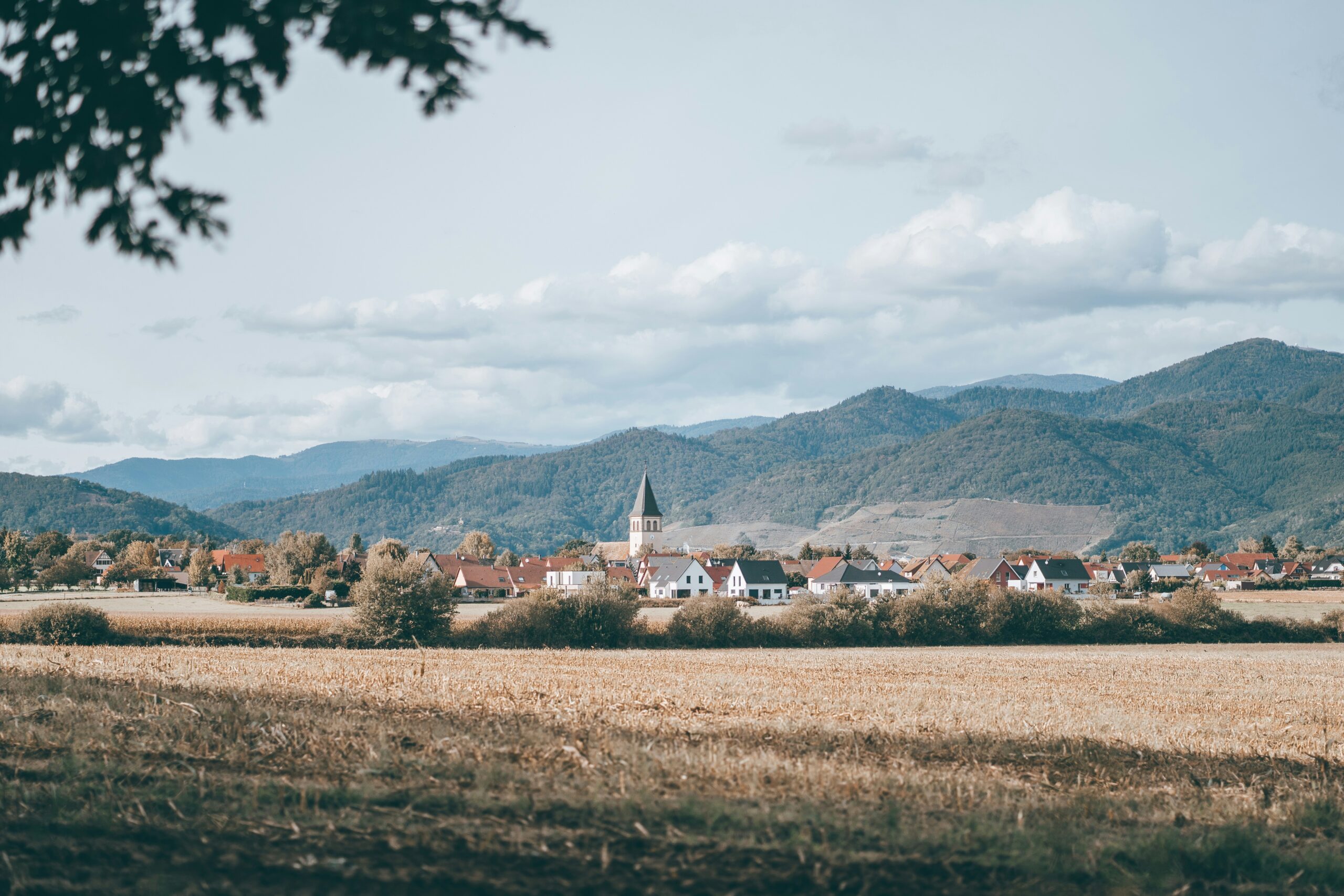
Alsace’s Route des Vins winds through vineyards and storybook towns like Colmar and Eguisheim. With its Germanic influence, the area offers distinct cuisine and architecture. Plan a visit during the autumn harvest for wine tastings and festive events, leveraging 2026’s improved digital guides for self-paced tours.
Sustainable and Responsible Travel Practices
As you explore the French countryside in 2026, adopting responsible habits ensures these landscapes thrive for future generations.
- Support Local Economies: Shop at farmers’ markets, dine at family-run restaurants, and book tours with local guides.
- Minimize Waste: Carry reusable water bottles and bags, especially in areas with limited recycling facilities.
- Respect Nature: Stay on marked trails, avoid disturbing wildlife, and follow seasonal guidelines (e.g., fire risks in dry regions).
- Use Public Transport: Where possible, opt for trains or buses to reduce traffic and emissions in rural communities.
Seasonal Considerations for 2026 Travel
Timing your trip can enhance your countryside experience. Each season in rural France has its allure.
Spring (April-June)
Spring brings blooming flowers, mild weather, and fewer crowds. It’s ideal for hiking in the Pyrenees or visiting gardens in the Loire Valley. Note that some rural attractions may have limited hours before peak season.
Summer (July-August)
Summer offers vibrant festivals and long days, but popular areas like Provence can be busy. Book accommodations early and explore early mornings or evenings to avoid heat and crowds.
Autumn (September-October)
Autumn is a favorite for its harvest festivals, wine events, and colorful foliage. The weather remains pleasant, making it perfect for cycling or driving through regions like Burgundy.
Winter (November-March)
Winter transforms the countryside into a quiet, cozy retreat. Enjoy fireplace stays in the Alps or Christmas markets in Alsace. Some rural services may close, so plan accordingly.
Technology and Tools for 2026 Explorations
Leverage digital resources to navigate the French countryside efficiently in 2026.
- Apps: Use navigation apps like Maps.me for offline maps, AllTrails for hiking routes, and local apps for transit schedules.
- Booking Platforms: Look for sustainable travel filters on sites like Booking.com or niche platforms specializing in agritourism.
- Virtual Guides: Augmented reality guides are emerging for historical sites, enhancing self-guided tours without crowding.
Conclusion: Crafting Your Unforgettable Journey
Exploring the French countryside in 2026 is about embracing slow travel, sustainability, and authenticity. By choosing the right transportation, accommodations, and regions, you’ll discover a side of France that’s rich in culture and natural beauty. Remember to travel responsibly, support local communities, and remain flexible to unexpected delights—whether it’s a roadside picnic or a conversation with a vineyard owner. Start planning now to ensure your adventure is as memorable as the landscapes you’ll encounter. Ultimately, the best ways to explore the French countryside in 2026 combine careful preparation with a spirit of curiosity, allowing you to create lasting connections with this enchanting part of the world.
Photo by Joackim Weiler on Unsplash