
Table des matières:
Your Ultimate Guide to Visiting the Basilica of Saint-Sernin
What is the best way to see the Basilica of Saint-Sernin? If you’re planning a trip to Toulouse, this magnificent Romanesque church should be at the top of your list. But with its vast size, rich history, and architectural complexity, knowing how to approach your visit can make all the difference. This guide cuts through the noise to give you a clear, actionable plan—whether you’re a history buff, an architecture enthusiast, or a casual traveler.
Why the Basilica of Saint-Sernin Deserves Your Time
Built between 1080 and 1120, the Basilica of Saint-Sernin is the largest remaining Romanesque building in Europe. It’s a UNESCO World Heritage site on the Routes of Santiago de Compostela. The church houses the relics of Saint Saturnin (Sernin), Toulouse’s first bishop, and features stunning 12th-century sculptures, a soaring octagonal tower, and an awe-inspiring ambulatory with radiating chapels. But to truly appreciate it, you need a strategy.
Understanding the Layout Before You Go
The basilica is shaped like a Latin cross, with a long nave, transept, and a chevet with five radiating chapels. The crypt contains the saint’s relics. The cloister, though partially destroyed, offers peace. Knowing this layout helps you prioritize what to see first.
Option 1: The Guided Tour – Best for Deep Understanding
If you want to learn the stories behind the stones, a guided tour is the best way to see the Basilica of Saint-Sernin. Expert guides explain the symbolism of the capitals, the history of the pilgrimages, and the engineering marvels. Tours typically last 45–60 minutes and are available in English and French.
What a Guided Tour Includes
- Access to the crypt (often closed to unguided visitors)
- Detailed explanations of the Porte des Comtes and the Miégeville door
- Insights into the 12th-century marble altar and the reliquary busts
- Stories about the pilgrim routes and the Compostela tradition
Tip: Book in advance online, especially during peak season (June–September). Check the official Toulouse tourism website for schedules.
Option 2: Self-Guided Visit – Best for Flexibility
If you prefer to move at your own pace, a self-guided tour works well. Download the official audio guide app or rent an audio guide at the entrance. You’ll get key facts without being tied to a group.
Self-Guided Checklist: Don’t Miss These
- The Porte des Comtes: The south portal with its intricate carvings of biblical scenes.
- The Ambulatory: Walk around the apse to see the radiating chapels and the reliquaries.
- The Crypt: Open certain hours; check the schedule. It houses the saint’s tomb.
- The Tower: Climb the 200+ steps for a panoramic view of Toulouse (limited hours).
- The Cloister: A quiet spot for reflection, though only fragments remain.
Mistake to Avoid: Rushing through. Allocate at least 1.5 hours for a meaningful visit.
Option 3: Combined Tickets and Passes – Best for Value
Consider the Toulouse City Pass, which includes entry to the basilica, the crypt, and other attractions like the Jacobins Convent and Musée des Augustins. It’s cost-effective if you plan to visit multiple sites.
Comparison Table: Tour Options
| Option | Duration | Cost (approx) | Best For |
|---|---|---|---|
| Guided Tour | 45–60 min | €12–€15 | History lovers |
| Self-Guided (audio) | Flexible | €6–€8 | Independent travelers |
| City Pass | 1–3 days | €30–€50 | Multi-site visitors |
When to Visit for the Best Experience
Early morning (9–10 AM) or late afternoon (4–5 PM) are ideal. The basilica is quieter, and the light through the stained glass is magical. Wednesdays and Fridays are less crowded than weekends. Avoid midday in summer when tour groups flood in.
Seasonal Considerations
Spring (April–June) and fall (September–October) offer mild weather and fewer crowds. December brings a Christmas market nearby, adding festive charm. Summer can be hot, but the basilica stays cool.
Practical Tips for a Smooth Visit
- Dress respectfully: Shoulders and knees covered.
- Photography: Allowed without flash; no tripods.
- Accessibility: Ramps are available; the crypt has limited access.
- Restrooms: None inside; use nearby cafes or the tourist office.
- Nearby attractions: Combine with the Musée Saint-Raymond (Roman art) and the Place du Capitole.
Frequently Asked Questions
What is the best way to see the Basilica of Saint-Sernin on a budget?
Visit during free entry times (first Sunday of the month, or certain holidays). Use the free audio guide app available on the official website.
How long does it take to visit the Basilica of Saint-Sernin?
Plan for 1.5 to 2 hours for a thorough visit, including the crypt and tower climb.
Can I attend mass at the Basilica of Saint-Sernin?
Yes, daily masses are held. Check the schedule online. Attending mass offers a unique spiritual perspective.
Is the Basilica of Saint-Sernin accessible for wheelchair users?
Partially. The nave and some chapels are accessible via ramps, but the crypt and tower are not. Contact the basilica in advance for assistance.
What is the best way to see the Basilica of Saint-Sernin with children?
Use the family audio guide or a scavenger hunt worksheet (available at the tourist office). Keep visits short and focus on the crypt and tower climb, which kids love.
Are there any hidden gems most visitors miss?
The 12th-century marble altar frontal, the carved capitals in the ambulatory, and the small museum of religious art in the sacristy are often overlooked.
Final Thoughts: Craft Your Perfect Visit
The best way to see the Basilica of Saint-Sernin ultimately depends on your interests. For a rich, story-filled experience, choose a guided tour. For flexibility, go self-guided with an audio app. And for value, combine with a city pass. Whichever you pick, arrive early, take your time, and let the centuries of faith and artistry speak to you. This isn’t just a church—it’s a journey through the Middle Ages.
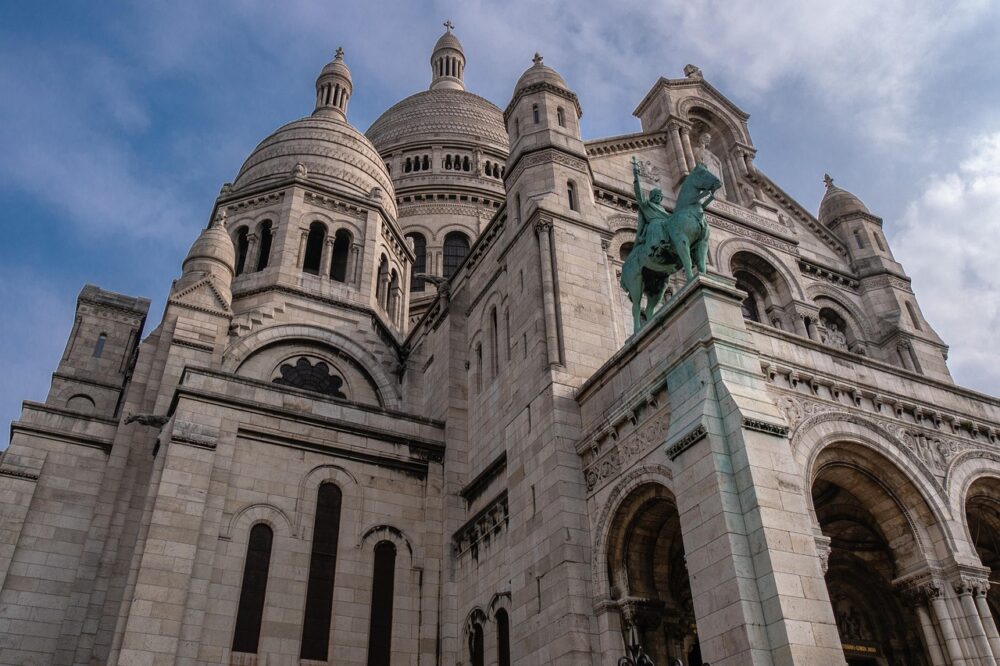
Photo by ChiemSeherin on Pixabay



Is the crypt only accessible with a guided tour? I’d like to see the relics but prefer to explore on my own.
The crypt is often closed to unguided visitors, but it does open during certain hours for self-guided access. Check the schedule at the entrance or on the official website. If you really want to see it, a guided tour guarantees entry.
Great tips! I’m planning a trip in August. How far in advance should I book a guided tour?
For August, book at least 2–3 weeks ahead, as tours fill up quickly. The official Toulouse tourism website has online booking. Also consider early morning or late afternoon tours for smaller groups.
I’m an architecture student. Are there any details about the Romanesque capitals that are often overlooked?
Yes! Look at the capitals in the ambulatory—they depict scenes from the life of Christ and the apostles. The “Mystic Mill” capital (grinding grain) is a rare allegory. Also, the Porte des Comtes has a capital showing the story of Saint Saturnin’s martyrdom. A guide can point out more.
How steep is the tower climb? I’m moderately fit but worry about claustrophobia.
The tower has over 200 steps in a narrow spiral staircase. It’s steep but well-lit with occasional landings. If you’re concerned, take it slow and let others pass. The view is worth it, but if claustrophobia is severe, you might skip it.
Is the Toulouse City Pass worth it if I only plan to visit Saint-Sernin and one other museum?
The City Pass includes Saint-Sernin, several museums, and public transport. If you visit just two attractions, it might break even—but check current prices. For Saint-Sernin alone, a standard entry or audio guide is cheaper. Calculate based on your itinerary.
Thanks for the self-guided checklist! How early should I arrive to avoid crowds?
Arrive right when it opens (usually 10 AM) or later in the afternoon after 3 PM. Weekdays are quieter than weekends. Avoid midday when tour groups are common. Aim for at least 1.5 hours to see everything without rushing.