Table des matières:
Introduction to Barcelona’s Sant Joan Festival
Barcelona’s Sant Joan festival, also known as the Night of Saint John, is one of the most magical and vibrant celebrations in Catalonia. Held on the evening of June 23rd, it marks the summer solstice with fire, water, and light. If you’re wondering what is the best way to experience Barcelona’s Sant Joan festival, this guide will walk you through everything you need to know—from the best spots to watch fireworks to traditional rituals and practical tips. Whether you’re a first-time visitor or a seasoned traveler, understanding the local customs and planning ahead will ensure you have an unforgettable experience.
Understanding the Festival’s Significance
Sant Joan is deeply rooted in Catalan culture, blending pagan solstice traditions with Christian celebrations. Fire is the central element, symbolizing purification and the sun’s power. Locals gather on beaches, in plazas, and on rooftops to light bonfires, set off firecrackers, and enjoy fireworks displays. The festival is also a time for community, food, and music. Knowing this context helps you appreciate the festivities and immerse yourself fully.
Key Traditions to Know
- Bonfires (Fogueres): Huge bonfires are lit on beaches and in neighborhoods. Jumping over them is believed to bring good luck.
- Fireworks and Firecrackers: Expect continuous explosions throughout the night. ‘Petards’ (firecrackers) are everywhere.
- Midnight Swim: It’s traditional to take a dip in the sea at midnight for purification.
- Fire Runs (Correfocs): Participants dressed as devils run through the streets with sparklers and fireworks.
- Coca de Sant Joan: A sweet pastry topped with candied fruit or cream, eaten during the festival.
Best Locations to Celebrate Sant Joan
Choosing the right location is crucial for the best experience. Barcelona offers many spots, each with a unique atmosphere.
Beach Celebrations
The most iconic way to celebrate is on the beach. Barceloneta Beach is the epicenter, with massive bonfires, crowds, and a party vibe. Other popular beaches include Nova Icària and Bogatell, which are slightly less crowded. Arrive early in the afternoon to secure a spot, bring a blanket, and be prepared for a night of noise and excitement.
Neighborhood Festivals
Many neighborhoods host their own celebrations, often more family-friendly. Gràcia and Poblenou have organized events with music, food stalls, and children’s activities. These offer a more local experience away from the tourist masses.
Rooftops and Viewpoints
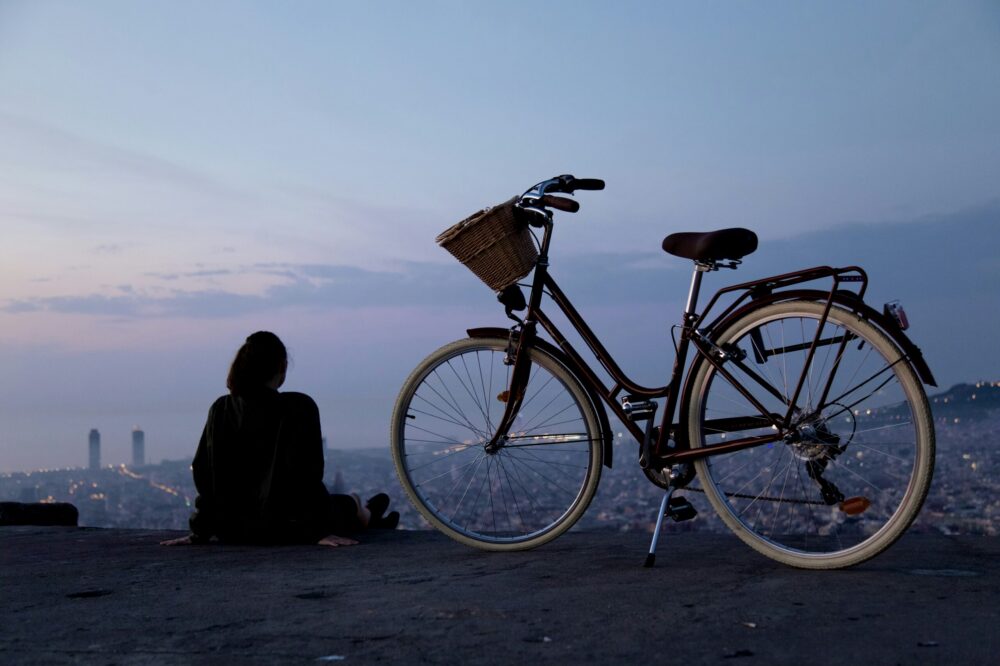
For a panoramic view of the fireworks, consider a rooftop bar or a viewpoint like Montjuïc Castle or Bunkers del Carmel. These spots are less chaotic but require early arrival as they fill up quickly.
What to Bring and Wear
Packing the right items can make or break your night. Here’s a checklist:
- Comfortable clothing: It will be warm, so wear light clothes. However, the beach can get cool at night, so bring a jacket.
- Closed-toe shoes: Protect your feet from firecrackers and broken glass.
- Earplugs: The noise can be overwhelming, especially for children.
- Sunscreen and water: You’ll be outdoors for hours.
- Snacks and drinks: While vendors are around, prices are higher. Bring your own picnic.
- Camera or smartphone: Capture the fireworks but keep it safe.
Participating in Traditions Like a Local
To truly experience the festival, join in the customs. Buy a small bag of firecrackers from a street vendor and light them safely. Try jumping over a small bonfire (if you’re brave). At midnight, walk into the sea—even just ankle-deep—to honor the tradition. And don’t forget to eat coca de Sant Joan with a glass of cava.
Safety Tips for Fireworks and Firecrackers
- Only buy legal fireworks from authorized sellers.
- Never light them near people, animals, or flammable materials.
- Keep a safe distance from bonfires.
- Supervise children at all times.
- If you’re not comfortable with fireworks, simply watch from afar.
Food and Drink to Try
Sant Joan has its own culinary traditions. Besides coca, you’ll find calçots (grilled green onions) if you’re lucky, though they are more common in spring. Butifarra (grilled sausage) and pa amb tomàquet (bread with tomato) are also popular. For drinks, cava (Catalan sparkling wine) is a must, along with vermut (vermouth) as an aperitif.
Navigating the Crowds and Transportation
Barcelona’s public transport runs all night on Sant Joan, with extra buses and metro services. However, expect delays and packed trains. Walking or biking is often faster. If you drive, avoid the beach areas as roads close. Plan your route in advance and consider staying in the city center to minimize travel.
Alternative Experiences for a Quieter Night
If crowds aren’t your thing, there are calmer ways to enjoy the festival. Many restaurants offer special Sant Joan dinners with a view of the fireworks. You can also join a guided tour that explains the history and takes you to less crowded spots. Some hotels host rooftop parties with limited access, providing a more exclusive experience.
Conclusion: Making the Most of Sant Joan
So, what is the best way to experience Barcelona’s Sant Joan festival? It depends on your preferences. For the full, immersive experience, head to Barceloneta Beach with a picnic and join the crowds in bonfires, fireworks, and the midnight swim. For a more relaxed evening, choose a neighborhood festival or a rooftop viewpoint. Regardless of your choice, embrace the local traditions, eat the coca, and let the festive spirit of Sant Joan sweep you away. With proper planning and an open mind, you’ll create memories that last a lifetime.
Remember to stay safe, respect the environment, and enjoy this unique Catalan celebration. Happy Sant Joan!