
Istanbul runs on Turkish coffee. More than a drink, it’s a ritual: the slow brewing, the thick foam, the grounds left at the bottom of the cup. But with hundreds of cafes claiming to serve the best, where do you actually find an authentic cup? This guide cuts through the noise. We’ll take you from centuries-old kahvehanes to modern specialty shops, covering what makes each spot unique, how to order like a local, and even how to read your fortune from the grounds. Whether you’re a first-time visitor or a seasoned traveler, these are the addresses you need.
Table des matières:
What Defines the Best Turkish Coffee?
Before we dive into locations, let’s set the standard. Authentic Turkish coffee is not just about beans—it’s about preparation. The coffee is finely ground, almost powdery, and brewed slowly in a cezve (a small, long-handled pot). It’s served unfiltered, with foam on top, and traditionally accompanied by a glass of water and a piece of Turkish delight. The best cups have a rich, velvety foam, a balanced bitterness, and no sediment in the sip. Now, let’s find where that happens.
Historic Cafes: Where Tradition Lives
Istanbul’s historic coffeehouses have been serving the same recipe for centuries. These are the places where time slows down, and the coffee is made with reverence.
Mandalina Café – Sultanahmet
Located near the Blue Mosque, Mandalina Café is a tiny, family-run spot that has been serving Turkish coffee since 1954. The owner, Mehmet, still roasts his own beans and grinds them on an antique mill. The coffee is strong, with a thick foam that lingers. Order a sade (plain) to taste the bean’s quality. Price: around 20 TL. Pro tip: Ask for a fortune reading—Mehmet’s wife reads cups with uncanny accuracy.
Pierre Loti Café – Eyüp
Perched on a hill overlooking the Golden Horn, Pierre Loti Café is more about the view than the coffee, but the coffee is still excellent. Named after the French novelist who loved Istanbul, this café serves a traditional brew in copper cezves. The setting is romantic, especially at sunset. The coffee is a bit pricier (35 TL) due to the location, but the experience is worth it. Note: Take the cable car up to avoid the steep walk.
Fazıl Bey’in Türk Kahvesi – Kadıköy
On the Asian side, Fazıl Bey is a legend. This tiny kiosk in Kadıköy Market has been serving coffee since 1923. The beans are sourced from Brazil and roasted in-house. The coffee is exceptionally smooth, with a caramel note. They serve it with a cube of Turkish delight on the side. Prices start at 15 TL. Insider tip: Go early to avoid the queue, and don’t forget to try their menengiç coffee (made from pistachio-like berries).
Modern Takes: Specialty Turkish Coffee
Istanbul’s coffee scene has evolved. A new wave of baristas is elevating Turkish coffee with single-origin beans, precise temperature control, and modern techniques. These spots respect tradition while pushing boundaries.
Kronotrop – Beşiktaş
Kronotrop is a specialty coffee chain that treats Turkish coffee with the same care as espresso. They use a custom-designed cezve with a thermometer to ensure the water never exceeds 92°C. The result is a clean, bright cup with no bitterness. Try their single-origin Turkish coffee from Ethiopia—it has floral notes you won’t find elsewhere. Price: 25 TL. Don’t miss: Their cold-brew Turkish coffee in summer.
Mono Coffee – Karaköy
Mono is a minimalist café that roasts its own beans. Their Turkish coffee is made with a blend of Colombian and Yemeni beans, ground to perfection. They serve it in a traditional cup but with a modern twist: a tiny cookie on the side. The foam is thick and creamy. Price: 22 TL. Why it stands out: They offer a tasting flight of three different Turkish coffees so you can compare origins.
The Coffee Project – Galata
Hidden in a narrow street near Galata Tower, The Coffee Project is a micro-roastery that experiments with Turkish coffee. They use a siphon-like cezve method that extracts more flavor. The coffee is served in a tulip glass, which sounds odd but works. Their “Turkish Coffee with Cardamom” is a bestseller. Price: 28 TL. Warning: It’s easy to miss the entrance; look for the small black sign.
How to Order Turkish Coffee Like a Local
Ordering is simple, but there are nuances. Here’s a quick checklist:

- Choose your sweetness: Sade (no sugar), az şekerli (little sugar), orta şekerli (medium), or şekerli (sweet). The sugar is added during brewing, not after.
- Wait for the grounds: Let the coffee sit for a minute after pouring so the sediment settles. Sip slowly, don’t stir.
- Don’t drink the bottom: Leave the last sip with the grounds. That’s for fortune-telling.
- Pair it right: A glass of water cleanses the palate, and Turkish delight or lokum complements the bitterness.
Beyond the Coffee: The Fortune-Telling Ritual
Part of the experience is having your fortune read from the coffee grounds. After you finish, the server will flip your cup onto the saucer, let it cool, and then interpret the patterns. Common symbols: a bird means good news, a tree means growth, a snake means an enemy. Even if you’re skeptical, it’s a fun tradition. At Mandalina Café, they take it seriously—you’ll get a detailed reading.
Mistakes to Avoid When Searching for Turkish Coffee
- Don’t go to tourist traps: Cafes in Sultanahmet Square often serve instant coffee masquerading as Turkish. Look for places where locals queue.
- Don’t expect a quick cup: Good Turkish coffee takes 5-7 minutes to brew. If it comes in 30 seconds, it’s not fresh.
- Don’t skip the Asian side: Kadıköy and Üsküdar have some of the best historic cafes, often overlooked by tourists.
- Don’t drink it like espresso: Turkish coffee is meant to be sipped slowly. Rushing ruins the experience.
Comparison Table: Top 5 Turkish Coffee Spots
| Café | Location | Price (TL) | Specialty | Best For |
|---|---|---|---|---|
| Mandalina Café | Sultanahmet | 20 | House-roasted beans | Authentic tradition |
| Pierre Loti | Eyüp | 35 | View + coffee | Romantic sunset |
| Fazıl Bey | Kadıköy | 15 | Smooth Brazilian beans | Quick, cheap, excellent |
| Kronotrop | Beşiktaş | 25 | Single-origin, precise brew | Modern twist |
| Mono Coffee | Karaköy | 22 | Tasting flights | Exploring different origins |
Where to Buy Turkish Coffee to Take Home
If you want to brew at home, buy from these places:
- Kurukahveci Mehmet Efendi: The most famous brand, available at their shop in Eminönü (Hasırcılar Cad. No:39). They sell freshly ground coffee by weight. Expect a queue.
- Fazıl Bey: They sell their own blend in vacuum-sealed packs. Perfect for gifts.
- Spice Bazaar: Many stalls sell Turkish coffee, but quality varies. Stick to vendors who grind on the spot.
Frequently Asked Questions
What is the best Turkish coffee in Istanbul?
There’s no single answer, but Mandalina Café and Fazıl Bey are top contenders for tradition, while Kronotrop and Mono lead for modern quality.
Is Turkish coffee stronger than espresso?
Not in caffeine content—Turkish coffee has less caffeine per ounce than espresso because the grounds are not fully extracted. But the flavor is intense due to the fine grind.
Can I get Turkish coffee to go?
Traditionally, no. Turkish coffee is meant to be enjoyed slowly. However, some modern cafes like Kronotrop offer takeaway cups.
What’s the difference between Turkish coffee and Greek coffee?
They are essentially the same brew, but the name differs due to political tensions. Preparation and taste are nearly identical.
Why is there foam on top of Turkish coffee?
The foam is created by the fine grind and slow heating. It’s a sign of a well-made cup. If there’s no foam, the coffee was rushed.
How do you read Turkish coffee grounds?
After drinking, place the cup upside down on the saucer and wait for it to cool. Then, a reader interprets the shapes and patterns left by the grounds. Common symbols include birds (good news), trees (growth), and snakes (enemies).
Your Next Steps: A Practical Checklist
Ready to find the best Turkish coffee in Istanbul? Use this checklist:
- ☐ Visit at least one historic cafe (Mandalina or Fazıl Bey).
- ☐ Try a modern specialty version at Kronotrop or Mono.
- ☐ Order with the correct sweetness level.
- ☐ Pair with water and Turkish delight.
- ☐ Leave the grounds for a fortune reading.
- ☐ Buy fresh beans from Kurukahveci Mehmet Efendi.
- ☐ Explore the Asian side for hidden gems.
The best Turkish coffee in Istanbul isn’t just about the drink—it’s about the moment. Whether you’re sitting in a centuries-old kahvehane or a sleek modern café, take your time. Let the coffee slow you down. That’s the real Istanbul experience.
Photo by Nihat Küçük on Pexels

Do any of these spots offer coffee that’s not too bitter? I’m not a fan of strong bitterness.
Absolutely. Fazıl Bey’in Türk Kahvesi in Kadıköy is known for its exceptionally smooth coffee with caramel notes, thanks to their Brazilian beans and in-house roasting. It’s less bitter than many traditional cups. Also, asking for ‘az şekerli’ (a little sugar) can help balance the bitterness.
I’m planning a trip to Istanbul and love Turkish coffee. How do I order it like a local?
Great question! When ordering, you can specify your sugar preference: ‘sade’ for no sugar, ‘az şekerli’ for a little, ‘orta şekerli’ for medium, or ‘şekerli’ for sweet. The barista will add the sugar during brewing. Also, don’t forget to sip the water first to cleanse your palate, and enjoy the foam before stirring.
Are there any good spots near Taksim Square for Turkish coffee? I’d prefer something modern but authentic.
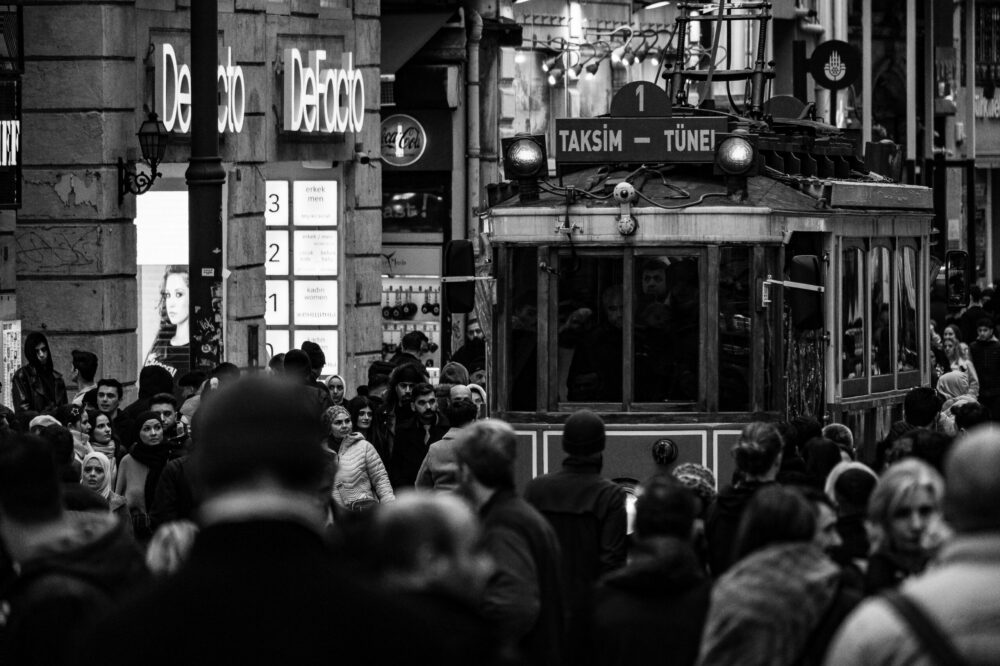
Near Taksim, check out Kronotrop in Beşiktaş (a short taxi or tram ride away). They specialize in modern Turkish coffee using single-origin beans and precise brewing. For a more traditional option, try Mandabatmaz in Beyoğlu, famous for its thick foam, though it’s a tiny hole-in-the-wall.
Thanks for the guide! I visited Mandalina Café last year and the coffee was amazing. The fortune reading was a fun touch.
Glad you enjoyed it! Mandalina is a gem, especially for the authentic experience and family tradition. Next time, try their coffee with a piece of Turkish delight—it pairs perfectly. And yes, the fortune reading is a memorable part of the ritual.