
Table des matières:
Introduction
Planning a trip to the London Zoo? One of the most common questions visitors ask is: What is the best time to visit the London Zoo? The answer depends on your priorities—whether you want to avoid crowds, see animals at their most active, or enjoy pleasant weather. In this comprehensive guide, we break down the optimal times by season, day of the week, and time of day, so you can make the most of your visit.
Seasonal Considerations: When to Go for the Best Experience
Spring (March to May)
Spring is arguably the best time to visit the London Zoo. The weather is mild, gardens are in bloom, and many animals are more active after winter. Baby animals are often born during this season, making it a delightful time for families. Crowds are moderate, especially on weekdays. If you’re asking what is the best time to visit the London Zoo for pleasant conditions and lively animal behavior, spring is a top contender.
Summer (June to August)
Summer brings longer hours and special events like Zoo Nights. However, it’s also the busiest season. Expect larger crowds, especially during school holidays and weekends. Early mornings or late afternoons are best to avoid peak heat and queues. While summer offers vibrant energy, it may not be ideal if you prefer a quieter experience.
Autumn (September to November)
Autumn offers a sweet spot with cooler temperatures and fewer visitors. The zoo’s foliage turns beautiful shades, and animals prepare for winter, often displaying interesting behaviors. Weekdays in September and October are particularly peaceful. For those wondering what is the best time to visit the London Zoo for a calm, unhurried visit, autumn is excellent.
Winter (December to February)
Winter sees the lowest attendance, meaning shorter queues and more space. Many indoor exhibits like the Reptile House and Butterfly Paradise are perfect for cold days. The zoo also hosts festive events. However, some animals may be less active outdoors. If you don’t mind chilly weather, winter offers a unique and quiet experience.
Best Day of the Week to Visit
Weekdays, especially Tuesday through Thursday, are generally less crowded than weekends. Monday can be busy due to school trips, while Friday sees a mix. For the best balance of low crowds and full operations, aim for a midweek visit. This aligns with the broader answer to what is the best time to visit the London Zoo—choose a weekday outside school holidays.
Best Time of Day: Morning vs. Afternoon
Morning (Opening to 11 AM)
Animals are often most active after being fed in the morning. You’ll also beat the crowds and have better photo opportunities. Plus, you can attend keeper talks scheduled early. For many, this is the best time to visit the London Zoo.
Late Afternoon (2 PM to Closing)
As crowds thin out, the zoo becomes peaceful again. Some animals, like big cats, become more active later in the day. However, certain exhibits may close earlier. If you prefer a quieter atmosphere, late afternoon is a solid choice.
Special Events and Holidays
The zoo hosts events like Zoo Nights (summer evenings), Boo at the Zoo (Halloween), and Christmas at the Zoo. These can enhance your visit but also draw larger crowds. If you’re flexible, planning around these events can be rewarding. For a standard visit, avoid public holidays and school breaks to find the best time to visit the London Zoo.
Tips for an Optimal Visit
- Check the weather forecast: Mild, overcast days are ideal—animals are active, and you won’t overheat.
- Arrive early: Get there 15 minutes before opening to be first in line.
- Book tickets online: Save time and often money, plus secure entry.
- Use the zoo map: Plan your route to catch keeper talks and feeding times.
- Visit during term time: Avoid school holidays for fewer families.
Frequently Asked Questions
What is the best time to visit the London Zoo to avoid crowds?
The best time is a weekday during autumn or winter, arriving right at opening time.
Is the London Zoo open year-round?
Yes, except for Christmas Day. Hours vary by season, so check the official website.
Are there any discounts for off-peak times?
Occasionally, but standard pricing applies. Booking online in advance often offers the best rates.
Conclusion
Ultimately, what is the best time to visit the London Zoo depends on your preferences. For most visitors, a spring weekday morning offers the perfect combination of pleasant weather, active animals, and manageable crowds. If you prefer solitude, winter weekdays are ideal. No matter when you go, planning ahead ensures a memorable experience. Use this guide to choose the time that suits you best, and enjoy one of London’s most beloved attractions.
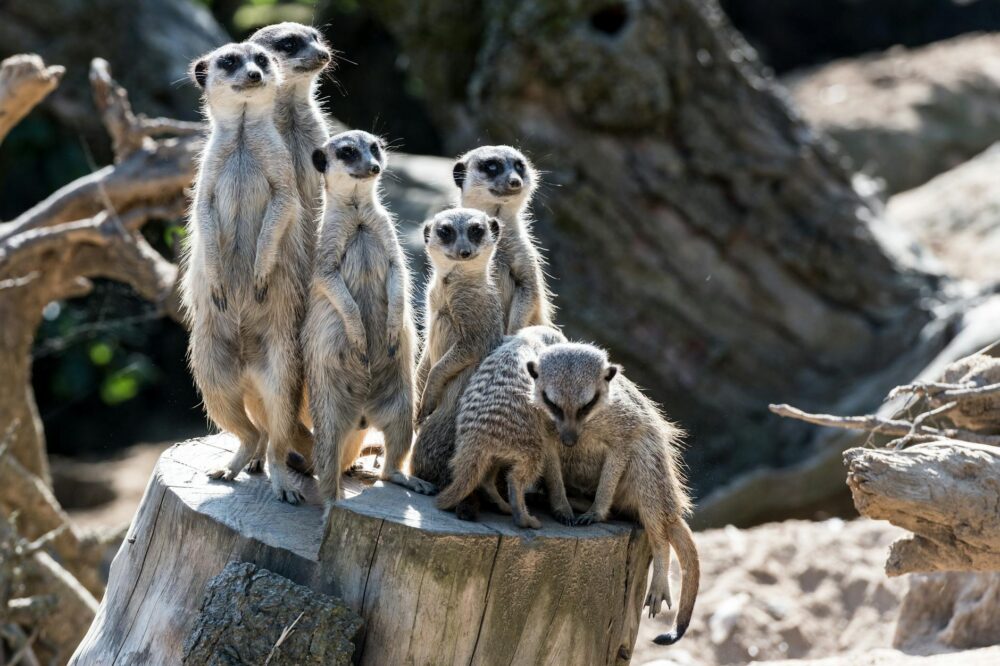
Photo by Wolfgang Weiser on Pexels


I’m planning a trip with my toddler. Is spring really the best time for young children, or are there any drawbacks?
Spring is indeed a great choice for families. The mild weather and baby animals can be very engaging for toddlers. Just be aware that spring weekends can get busy, so aim for a weekday morning for a more relaxed experience.
What about visiting on a rainy day? Do the animals still come out?
Many animals at London Zoo are accustomed to rain and may still be active, especially those from wet climates. Indoor exhibits like the Reptile House and Butterfly Paradise are excellent alternatives. Just bring an umbrella and waterproof shoes.
I work during the week, so I can only visit on weekends. Which weekend day is less crowded?
Saturdays tend to be slightly busier than Sundays, as some visitors travel on Sunday. However, both days are crowded. To minimize crowds, arrive right at opening time and head to popular exhibits first.
Are there any specific keeper talks or feeding times I should plan my visit around?
Yes, the zoo offers daily keeper talks and feeding demonstrations. The schedule varies, so check the official website on the day of your visit. Popular ones include the penguin feeding and big cat talks, often held mid-morning.
Is it worth visiting in winter even though some animals might be less active?
Absolutely. Winter offers the lowest crowds, so you can enjoy exhibits without queues. Indoor areas are cozy, and festive events add charm. Plus, some animals like polar bears and wolves are more active in cooler weather.
I’m a photographer. What time of day gives the best lighting for animal photos?
Early morning, right after opening, provides soft, golden light and active animals. Late afternoon also offers good lighting as the sun lowers. Avoid midday harsh sunlight. Weekdays in spring or autumn are ideal for fewer people in your shots.