
Last updated on May 12th, 2026 at 08:49 am
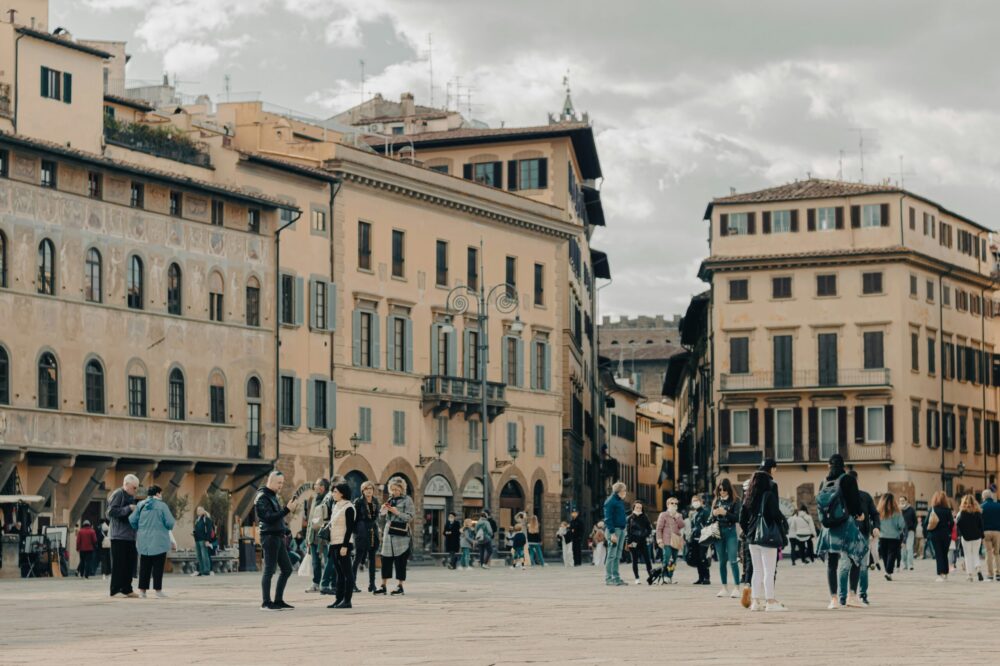
Florence, the cradle of the Renaissance, draws millions of visitors each year. While its art, architecture, and history are mesmerizing, the crowds can sometimes detract from the experience. If you’re wondering what is the best time to visit Florence to avoid crowds, you’re not alone. This guide will help you plan a trip that balances pleasant weather, fewer tourists, and an authentic Florentine atmosphere.
Table des matières:
Understanding Florence’s Tourist Seasons
To pinpoint the best time to visit Florence to avoid crowds, it helps to understand the city’s seasonal patterns. Tourism in Florence generally follows three distinct seasons: peak, shoulder, and low.
Peak Season (June–August)
Summer is the busiest and most expensive time. Expect long queues at the Uffizi Gallery, crowded piazzas, and high hotel rates. The heat can be intense, making sightseeing uncomfortable. If you visit during this period, book everything in advance and prepare for large crowds.
Shoulder Season (April–May & September–October)
Spring and fall offer mild weather and fewer tourists than summer. These months are ideal for exploring without the peak-season frenzy. April and May bring blooming gardens and comfortable temperatures. September and October feature harvest festivals and pleasant days.
Low Season (November–March)
Winter is the quietest time to visit Florence, except for the Christmas and New Year period. Many days are cool and overcast, but you’ll enjoy shorter lines and lower prices. Some attractions may have reduced hours, but the city’s charm remains intact.
What Is the Best Time to Visit Florence to Avoid Crowds? The Verdict
After analyzing visitor numbers and weather, the best time to visit Florence to avoid crowds is during the shoulder seasons, specifically late April to early May and late September to October. These periods offer a sweet spot: comfortable weather, manageable crowds, and full access to attractions. For the absolute lightest crowds, consider November (excluding holidays) or early March.
Month-by-Month Breakdown
January & February
These are the coldest months, but also the least crowded. You can enjoy the Uffizi and Accademia without long waits. The city feels more local. Pack warm layers and check for museum closures on holidays.
March
Early March is still quiet, but late March sees an uptick as Easter approaches. If you visit before Easter, you’ll benefit from low season prices and fewer tourists.
April & May
Spring blossoms and moderate temperatures make this a prime time. However, May can get busy, especially around public holidays. Aim for late April to early May for the best combination of weather and low crowds.
June
June marks the start of peak season. Early June is slightly better, but crowds grow as the month progresses. If you must go in June, book skip-the-line tickets.
July & August
These are the hottest and most crowded months. Avoid if possible. If you visit, plan outdoor activities for early morning or late evening.
September & October
September is still warm but less crowded than summer. October sees a further drop in visitors. This is an excellent time for art lovers and foodies, as the grape harvest brings local festivals.
November & December
November is one of the quietest months, though it can be rainy. December sees a surge around Christmas markets and New Year. For tranquility, visit in early December or after New Year.
Weekdays vs. Weekends
Even during peak season, weekdays are less crowded than weekends. Museums and attractions are busiest on Saturdays and Sundays. Plan your visits to popular sites for Tuesday through Thursday. Additionally, many museums are closed on Mondays, so check schedules in advance.
Time of Day Matters
To avoid crowds, visit major attractions like the Duomo, Uffizi, and Accademia either right when they open or in the late afternoon. Midday is peak tourist time. Also, consider exploring lesser-known sites such as the Brancacci Chapel or Palazzo Davanzati, which are often overlooked.
Benefits of Visiting in the Off-Season
- Shorter queues: Spend less time waiting and more time enjoying.
- Lower prices: Hotels and flights are cheaper.
- Authentic experience: Mingle with locals rather than tourists.
- Better photo opportunities: Capture iconic landmarks without photobombers.
- More relaxed atmosphere: Enjoy the city at your own pace.
Tips for Navigating Crowds in Florence
- Book tickets in advance: Reserve skip-the-line passes for major museums.
- Explore beyond the center: Visit the Oltrarno district, which is less touristy.
- Use early openings: Take advantage of early morning hours.
- Consider a private tour: Some tours offer after-hours access.
- Stay in a quieter area: Choose accommodation near Piazza della Signoria or Santa Croce.
Special Events and Holidays to Avoid
Florence hosts several events that attract huge crowds. The Scoppio del Carro (Easter Sunday), Festa di San Giovanni (June 24), and Festa della Rificolona (September 7) draw large local and tourist crowds. Also, avoid the period from Christmas to New Year and around Italian national holidays like Liberation Day (April 25) and Republic Day (June 2).
Next Steps
Finding the best time to visit Florence to avoid crowds is all about timing. The shoulder seasons of late spring and early fall offer the ideal balance of good weather and fewer tourists. For those seeking solitude, winter months (excluding holidays) provide a peaceful escape. By planning around peak seasons, choosing weekdays, and visiting at strategic times of day, you can enjoy Florence’s treasures without the crush of crowds. Remember, the best time to visit Florence to avoid crowds is when you can savor the art, history, and culture at your own pace. Safe travels!
Photo by João Reguengos on Unsplash
I’m planning a trip to Florence in early May. Will the crowds be manageable, or should I expect long lines?
Early May is part of the shoulder season, so crowds are moderate. You’ll encounter more tourists than in winter, but much fewer than in summer. Booking skip-the-line tickets for major museums is still a good idea.
Is November a good time to visit? I’m worried about rain and some attractions being closed.
November is one of the quietest months, ideal for avoiding crowds. Rain is possible, so pack an umbrella. Most attractions remain open, but check for reduced hours at smaller museums. It’s a great time for a local experience.
What about visiting in late September? I heard the weather is still nice.
Late September is excellent: warm weather, fewer tourists than summer, and harvest festivals. It’s a sweet spot for comfortable sightseeing and cultural events. Just book accommodation early as it’s popular.
I can only travel in July due to work. Any advice to avoid the worst crowds?
July is peak season, but you can minimize crowds by visiting major sites at opening time (8:15 AM) or late afternoon. Also, explore lesser-known attractions like the Brancacci Chapel. Pre-booking skip-the-line tickets is essential.
Are weekdays really that much better than weekends for avoiding crowds?
Yes, weekdays, especially Tuesday through Thursday, are significantly less crowded than weekends. Many locals also visit on Saturdays, so plan museum visits for midweek. Also note that many museums are closed on Mondays.
I’m considering a trip in early March. Will it be too cold for outdoor sightseeing?
Early March is still cool (highs around 13°C/55°F) but sunny days are possible. It’s one of the least crowded times. Dress in layers and you’ll enjoy shorter lines. Just avoid the Easter period if crowds bother you.
The article mentions visiting the Duomo early. What time exactly do you recommend?
The Duomo opens at 10:15 AM on most days, but arriving by 9:45 AM to queue before opening can help. Alternatively, visit in the late afternoon (after 4 PM) when tour groups thin out. Avoid midday between 11 AM and 2 PM.