
Table des matières:
Spring in Paris: A Season for Opera Lovers
Paris in spring is magical, and for opera enthusiasts, it offers a world-class lineup of performances. Whether you’re a seasoned aficionado or a curious first-timer, the city’s iconic venues—the Opéra Garnier and the Opéra Bastille—present an array of productions that blend tradition with innovation. This guide answers the question: What are the best spring opera performances in Paris? We’ll cover the top shows, practical tips, and how to make the most of your operatic experience.
Top Spring Opera Productions at the Opéra National de Paris
The Opéra National de Paris, which oversees both the Palais Garnier and the Opéra Bastille, typically announces its spring season months in advance. For spring 2025, expect a mix of beloved classics and daring contemporary works. Here are the standout performances you should consider.
Don Giovanni at the Opéra Bastille
Mozart’s masterpiece returns to the Bastille in a production directed by Ivo van Hove. Known for his cinematic approach, van Hove sets the opera in a modern, minimalist space that highlights the psychological depth of the characters. The music, under the baton of Gustavo Dudamel, promises to be electrifying. Performances run from late March through May.
La Traviata at the Palais Garnier
Verdi’s tragic love story is a perennial favorite, and the Garnier’s production is a visual feast. Directed by Simon Stone, this version updates the setting to the 19th-century Parisian demimonde, with costumes that evoke the era. The cast features rising stars like soprano Pretty Yende as Violetta. Catch it in April and early May.
Madama Butterfly at the Opéra Bastille
Puccini’s heart-wrenching opera returns in a classic staging by Robert Wilson. The production is known for its stark, beautiful imagery and slow, deliberate pacing that amplifies the emotional impact. Soprano Asmik Grigorian takes on the demanding role of Cio-Cio-San. Performances are scheduled from May to June.
Contemporary Double Bill: The Exterminating Angel and The Rake’s Progress
For those seeking something beyond the standard repertoire, the Opéra Bastille offers a double bill of Thomas Adès’s The Exterminating Angel and Stravinsky’s The Rake’s Progress. Both explore themes of fate and absurdity. Adès’s opera, based on Buñuel’s film, is a surrealist thriller, while Stravinsky’s neoclassical work is a moral fable. These are scheduled for late spring, so check the calendar.
Hidden Gems: Smaller Venues and Alternative Opera Experiences
Beyond the grand houses, Paris boasts intimate theaters and experimental spaces that offer unique opera experiences. These are perfect if you want to avoid crowds or discover emerging talent.
Théâtre des Champs-Élysées
This historic Art Deco venue hosts a spring opera festival featuring rare works and chamber operas. In 2025, look for a production of Rameau’s Les Indes Galantes with period instruments. The acoustics are superb, and the atmosphere is less formal than the Garnier.
Opéra Comique
The Opéra Comique specializes in French repertoire and lighter works. This spring, they present Offenbach’s La Périchole, a comic opera full of wit and satire. The venue’s intimate size (around 1,200 seats) ensures you’re close to the action.
La Seine Musicale
Located on the Île Seguin, this modern concert hall offers a mix of opera and musical theater. Their spring highlight is a semi-staged production of Bizet’s Carmen with a full orchestra and flamenco dancers. The riverside setting is perfect for a pre-show stroll.
Practical Guide to Attending Opera in Paris
To make your spring opera experience seamless, here’s a checklist of practical considerations.
How to Buy Tickets
- Official websites: Book directly from the Opéra National de Paris (operadeparis.fr) or the individual venue’s site to avoid inflated resale prices.
- Release dates: Tickets for spring performances usually go on sale in December or January. Sign up for newsletters to get early access.
- Last-minute deals: Some venues offer discounted tickets for same-day performances, especially for standing-room areas (called places debout).
- Subscription packages: If you plan to see multiple shows, consider a subscription or a multi-show pass.
Dress Code and Etiquette
While there’s no strict dress code, many patrons dress smartly. For the Garnier, a jacket or cocktail dress is common. At the Bastille, smart casual is acceptable. Avoid loud conversations during the performance and turn off your phone. Applause is customary after arias, but follow the lead of seasoned attendees.
Getting to the Venues
Both major venues are well-served by public transport:
- Opéra Garnier: Metro Opéra (lines 3, 7, 8) or RER A Auber.
- Opéra Bastille: Metro Bastille (lines 1, 5, 8) or RER A Gare de Lyon.
- Théâtre des Champs-Élysées: Metro Alma-Marceau (line 9) or Franklin D. Roosevelt (lines 1, 9).
- Opéra Comique: Metro Richelieu-Drouot (lines 8, 9) or Bourse (line 3).
- La Seine Musicale: Tram T2 at Brimborion or Pont de Sèvres.
Dining Before or After the Show
Many opera-goers enjoy a pre-theater dinner. Near the Garnier, try Le Grand Véfour (Michelin-starred) or the more casual Café de la Paix. Near the Bastille, Bofinger offers classic brasserie fare. For a quick bite, many venues have on-site cafés.
Common Mistakes to Avoid When Planning Your Opera Visit
- Waiting too long to buy tickets: Popular productions sell out weeks in advance. Book as soon as they’re released.
- Choosing the wrong seat: In the Garnier, side boxes have limited views. Opt for central orchestra or balcony seats. At the Bastille, the upper tiers can be steep.
- Ignoring surtitles: Most performances have French or English surtitles. Check the language of the production and whether surtitles are provided in your language.
- Not checking the running time: Some operas last over three hours with intermissions. Plan accordingly, especially if you have late-night transport.
- Forgetting to explore the venue: The Palais Garnier is a architectural masterpiece. Arrive 30 minutes early to admire the grand staircase, the Chagall ceiling, and the library-museum.
Comparison Table: Major Spring Opera Productions in Paris (2025)
| Production | Venue | Dates | Style | Approx. Ticket Price |
|---|---|---|---|---|
| Don Giovanni | Opéra Bastille | Late Mar–May | Modern, psychological | €25–€210 |
| La Traviata | Palais Garnier | Apr–Early May | Traditional with updated setting | €30–€250 |
| Madama Butterfly | Opéra Bastille | May–Jun | Classic, minimalist | €25–€200 |
| The Exterminating Angel / The Rake’s Progress | Opéra Bastille | Late May–Jun | Contemporary double bill | €20–€180 |
| Les Indes Galantes | Théâtre des Champs-Élysées | Apr–May | Baroque, period instruments | €40–€150 |
| La Périchole | Opéra Comique | Mar–Apr | Comic opera | €25–€120 |
Frequently Asked Questions About Spring Opera in Paris
Which opera house is better: Garnier or Bastille?
It depends on your preference. The Palais Garnier is a historic, opulent venue perfect for traditional productions and a grand experience. The Opéra Bastille is modern, with better acoustics and sightlines, and hosts more contemporary works. For spring 2025, both offer excellent options.
Can I visit the Opéra Garnier without attending a performance?
Yes, the Palais Garnier is open for guided tours during the day. You can explore the auditorium, the grand foyer, and the library-museum. Tickets are available separately and are a great way to see the architecture if you can’t catch a show.
Are there English surtitles at Paris operas?
Most performances at the Opéra National de Paris have French surtitles, but some productions offer English surtitles on specific dates. Check the performance details when booking. Smaller venues like the Théâtre des Champs-Élysées may only have French surtitles.
What is the best time to buy tickets for spring opera?
Tickets for spring performances typically go on sale in December or January. Subscribe to the venue’s newsletter for exact dates. For popular shows, buy as soon as they’re available. Last-minute tickets can be found, but selection is limited.
Can I get a refund if I can’t attend?
Most tickets are non-refundable, but some venues offer exchange options for a fee. Check the terms at purchase. If you’re unsure, consider refundable insurance offered by some ticketing platforms.
Are there student or senior discounts?
Yes, the Opéra National de Paris offers reduced-price tickets for students (under 28) and seniors (over 65). You may need to show ID. Last-minute standing-room tickets are also available at a discount for students.
Final Thoughts on Choosing the Best Spring Opera Performances in Paris
Spring 2025 promises an exceptional opera season in Paris, from timeless classics like Don Giovanni and La Traviata to avant-garde double bills. Whether you’re drawn to the glittering Palais Garnier or the modern Opéra Bastille, each venue offers a distinct atmosphere and production style. By planning ahead, booking tickets early, and considering smaller venues for unique experiences, you can craft an unforgettable cultural itinerary. So, what are the best spring opera performances in Paris? The answer depends on your taste, but with this guide, you’re well-equipped to choose the perfect show. Enjoy the music, the architecture, and the magic of Paris in spring.
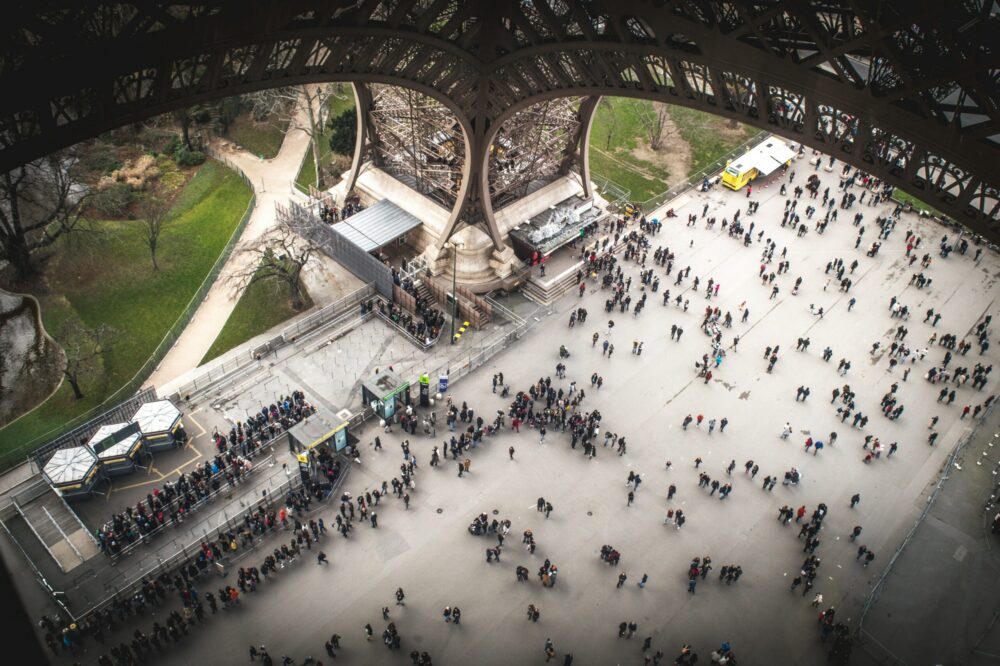
Photo by Chris Karidis on Unsplash


I’m planning a trip to Paris in April and want to see an opera. Which of these would you recommend for a first-timer?
For a first-timer, La Traviata at the Palais Garnier is a wonderful choice. It’s a beloved classic with a visually stunning production, and the story is easy to follow. The Garnier itself is a breathtaking venue that adds to the experience.
Are the performances all in French or Italian? Do they have English surtitles?
Most operas at the Opéra National de Paris are performed in their original language (e.g., Italian for La Traviata, French for Les Indes Galantes). They provide French and English surtitles above the stage, so you can follow along easily.
I’m interested in the contemporary double bill but worried it might be too avant-garde. Is it accessible for someone who mainly knows traditional opera?
The double bill of The Exterminating Angel and The Rake’s Progress is indeed more modern, but both are highly acclaimed. The Rake’s Progress is neoclassical and quite melodic, while The Exterminating Angel is surreal but gripping. If you’re open to new experiences, it’s worth a try. You might also start with a classic like Madama Butterfly if you prefer something more traditional.
What is the dress code for the Opéra Garnier? Do I need to wear a tuxedo?
There’s no strict dress code, but many patrons dress up. For the Opéra Garnier, smart casual to formal is common: a suit or dress works well. You’ll see everything from jeans to evening gowns, so just feel comfortable. It’s more about enjoying the performance than the outfit.
How far in advance should I book tickets for the spring season? Do they sell out quickly?
Tickets for the Opéra National de Paris usually go on sale a few months ahead. For popular productions like La Traviata or Don Giovanni, booking as soon as they’re available is advisable, especially for weekend performances. Check the official website for on-sale dates and consider subscribing to their newsletter for alerts.
I see you mentioned the Théâtre des Champs-Élysées. Do they offer any discounts for students or young people?
Yes, many Parisian venues offer discounts. The Théâtre des Champs-Élysées has reduced rates for under-30s and students, often available on the day of the performance or in advance. The Opéra National de Paris also offers last-minute tickets for under-28s at a great price. Always check their official websites for current offers.