
Last updated on May 3rd, 2026 at 10:34 pm
Spring transforms Barcelona into a living canvas of color and fragrance. The city’s gardens burst into bloom with wisteria, jacaranda, roses, and bougainvillea, drawing locals and visitors alike. But with so many green spaces, which ones truly shine in spring? This guide cuts through the noise to reveal the best spring gardens in Barcelona—from iconic landmarks to lesser-known retreats. Whether you’re a first-time visitor or a seasoned resident, you’ll find practical advice, seasonal highlights, and insider tips to make your visit unforgettable.
Table des matières:
Why Spring Is the Perfect Season to Explore Barcelona’s Gardens
Spring in Barcelona (March to June) offers mild temperatures, longer daylight, and peak blooming periods. The city’s Mediterranean climate means gardens are at their most vibrant, with flowers like roses, lavender, and geraniums in full display. Many gardens host special spring events, such as the Sant Jordi festival (April 23) when roses are everywhere. Visiting during spring also means fewer crowds than summer, making it ideal for peaceful strolls.
Top 7 Best Spring Gardens in Barcelona
1. Park Güell: Gaudí’s Colorful Masterpiece
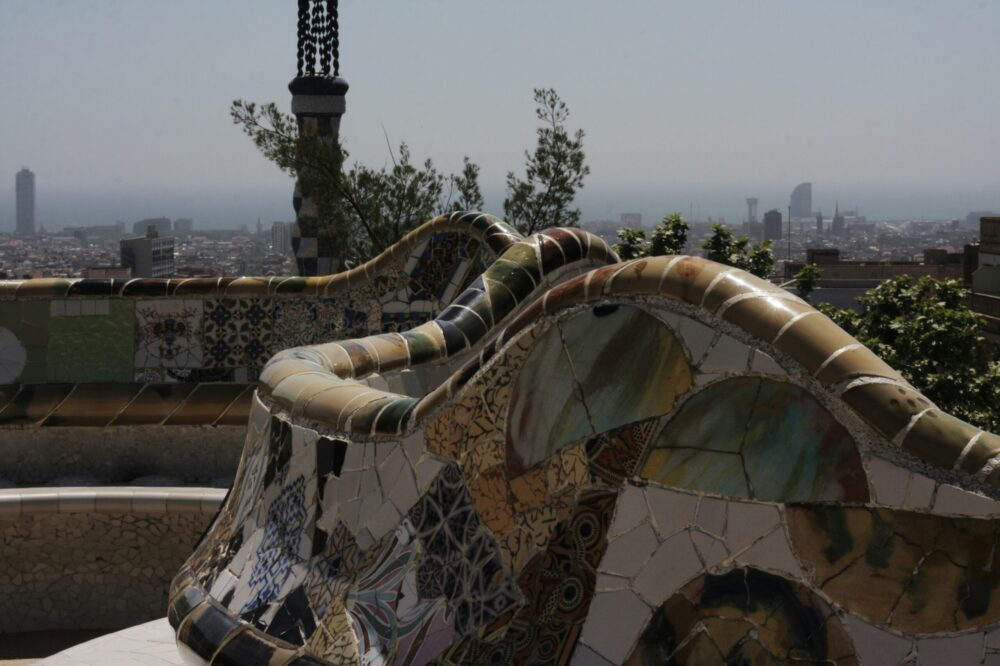
No list of Barcelona gardens is complete without Park Güell. Designed by Antoni Gaudí, this UNESCO World Heritage site blends architecture with nature. In spring, the park’s Mediterranean vegetation—pines, palms, and cacti—is complemented by blooming bougainvillea and wisteria. The famous serpentine bench, covered in trencadís mosaic, overlooks the city. Tip: Book tickets online in advance to avoid long queues. The monumental zone requires a ticket, but the surrounding free area also offers lovely spring walks.
2. Jardí Botànic de Barcelona: A Botanical Wonderland
Located on Montjuïc hill, the Botanical Garden showcases Mediterranean flora from around the world. Spring is the best time to see the collection of over 1,500 species, including flowering shrubs, bulbs, and aromatic herbs. The garden is organized by region (e.g., California, Chile, Australia), making it an educational experience. Don’t miss: The rock garden and the pond area, where dragonflies and frogs appear in spring.
3. Parc de la Ciutadella: The City’s Green Heart
Barcelona’s largest central park, Parc de la Ciutadella, is a favorite for picnics and boat rides. In spring, the park’s grand fountain, Cascada Monumental, is surrounded by blooming magnolias and cherry trees. The park also houses the Barcelona Zoo and the Parliament of Catalonia. Spring highlight: The rose garden (Roserar) near the lake, with over 2,000 rose bushes in full bloom by May.
4. Jardins de Mossèn Costa i Llobera: Cactus and Succulents
For a unique spring garden, head to these terraced gardens on Montjuïc. Specializing in cacti and succulents from arid regions, the garden offers stunning views of the port. Spring brings unexpected blooms from agaves and aloes. Insider tip: Visit in late afternoon for golden light and fewer visitors. The garden is less crowded than other Montjuïc attractions.
5. Laberint d’Horta: Barcelona’s Oldest Garden
Dating back to the 18th century, the Labyrinth Park in the Horta-Guinardó district is a neoclassical gem. Its centerpiece is a cypress maze, surrounded by romantic gardens with ponds, statues, and flowerbeds. Spring sees the blooming of boxwood hedges and climbing roses. Practical note: The labyrinth can be tricky—allow at least 30 minutes to find the center. The park is free on Wednesdays and Sundays.
6. Jardins de Joan Brossa: Family-Friendly Fun
Also on Montjuïc, these gardens are dedicated to the poet Joan Brossa and feature playful sculptures and open lawns. In spring, the garden’s many trees (pines, oaks, and palms) create dappled shade, while flowerbeds of geraniums and petunias add color. Great for: Families with children, as there are playgrounds and picnic areas. The views of the city from the upper terraces are spectacular.
7. Parc del Laberint d’Horta (Alternative Name)
Often confused with the Labyrinth Park, this is actually the same place. The name “Parc del Laberint d’Horta” is the Catalan official name. It’s worth a mention because many search for it under this variant. The spring blooms are identical: wisteria, roses, and fragrant jasmine.
Lesser-Known Spring Gardens Worth Your Time
Beyond the famous parks, Barcelona hides several smaller gardens that burst into life in spring. Jardins de la Tamarita in Sarrià is a quiet, elegant garden with a pond and century-old trees. Parc de Monterols offers a peaceful escape with a waterfall and bamboo grove. Jardins de Vil·la Cecília features a romantic rose garden and a small lake. These spots are perfect for those seeking solitude and authentic local atmosphere.
Spring Bloom Calendar: What to See When
| Month | Bloom Highlights | Best Gardens |
|---|---|---|
| March | Magnolias, cherry blossoms, daffodils | Parc de la Ciutadella, Jardí Botànic |
| April | Wisteria, bougainvillea, tulips | Park Güell, Laberint d’Horta |
| May | Roses, lavender, jacaranda | Parc de la Ciutadella (rose garden), Jardins de Vil·la Cecília |
| June | Geraniums, oleanders, agaves | Jardins de Mossèn Costa i Llobera, Jardins de Joan Brossa |
Practical Tips for Visiting Spring Gardens in Barcelona
- Timing: Visit early morning (9-10 AM) or late afternoon (5-7 PM) for softer light and fewer crowds.
- What to bring: Comfortable walking shoes, sunscreen, a hat, and a reusable water bottle. Some gardens have fountains.
- Check opening hours: Many gardens close on Mondays or have reduced hours. Always verify online before visiting.
- Combine visits: Group nearby gardens. For example, Montjuïc gardens (Botanical, Mossèn Costa, Joan Brossa) can be done in one day.
- Photography: Spring flowers are photogenic. Use a macro lens for close-ups, or simply your smartphone. Golden hour (just after sunrise or before sunset) gives the best results.
- Mistakes to avoid: Don’t assume all gardens are free—some require tickets. Avoid peak lunchtime (1-3 PM) when families and school groups arrive. Don’t pick flowers; it’s prohibited and damages the ecosystem.
Frequently Asked Questions About Spring Gardens in Barcelona
What is the most beautiful garden in Barcelona in spring?
Many consider Park Güell the most beautiful due to its unique Gaudí architecture combined with spring blooms. However, for pure floral beauty, the rose garden in Parc de la Ciutadella is stunning in May.
Are there any free spring gardens in Barcelona?
Yes, several. Parc de la Ciutadella, Jardins de Joan Brossa, and Jardins de la Tamarita are free. Laberint d’Horta is free on Wednesdays and Sundays. Park Güell’s monumental zone requires a ticket, but the surrounding free area is also lovely.
Which garden is best for a picnic in spring?
Parc de la Ciutadella is the top choice, with large lawns, shade trees, and nearby cafes. Jardins de Joan Brossa also has picnic tables and great views.
Can I visit spring gardens with children?
Absolutely. Parc de la Ciutadella has a zoo and playgrounds. Jardins de Joan Brossa has a playground and open space. Laberint d’Horta’s maze is fun for older kids.
What flowers bloom in Barcelona in spring?
Common spring flowers include magnolias, cherry blossoms, wisteria, bougainvillea, roses, lavender, jacaranda, geraniums, and tulips. Each month has its own stars.
When is the best time to see roses in Barcelona?
Late April through May is peak rose season. The best rose gardens are in Parc de la Ciutadella (Roserar) and Jardins de Vil·la Cecília.
Final Thoughts on Barcelona’s Spring Gardens
Spring in Barcelona is a sensory feast, and the best spring gardens in Barcelona offer everything from architectural wonders to tranquil botanical collections. Whether you chase iconic views at Park Güell or seek solitude in a hidden courtyard, the city’s green spaces reward visitors with unforgettable beauty. Plan your itinerary around the bloom calendar, use the practical tips above, and don’t forget to pause and breathe in the scents of jasmine and rose. Your perfect spring day in Barcelona awaits.
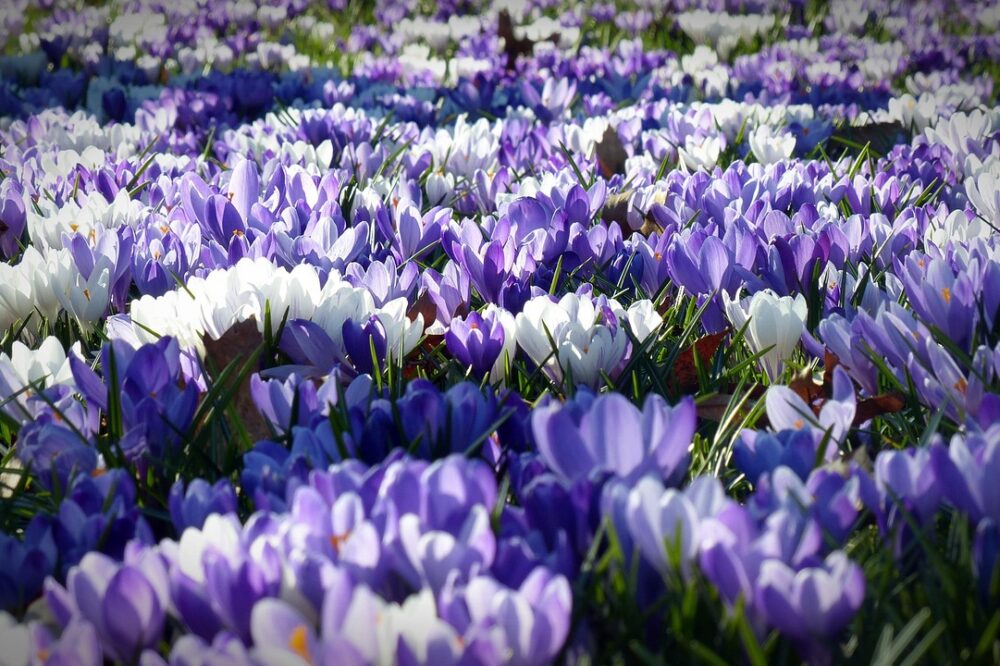
Photo by bernswaelz on Pixabay

Which garden would you recommend for someone who wants to avoid large crowds?
For a quieter experience, try Jardins de Mossèn Costa i Llobera or the Jardí Botànic de Barcelona. Both are less crowded than Park Güell or Parc de la Ciutadella, especially on weekdays.
Are there any spring-specific events in these gardens, like flower shows?
Yes, many gardens host spring events. For example, Parc de la Ciutadella’s rose garden is at its peak in May, and the Sant Jordi festival (April 23) fills the city with roses. Check local listings for exact dates.
I’m planning a visit in early March. Will the gardens be in bloom yet?
Early March is the start of spring, so some flowers like magnolias and cherry blossoms may begin blooming, but peak bloom for roses and wisteria is usually April to May. You’ll still enjoy mild weather and fewer crowds.
Is Park Güell worth the ticket price just for the gardens?
Absolutely. The monumental zone features Gaudí’s iconic designs intertwined with Mediterranean plants. In spring, the bougainvillea and wisteria add extra color. Plus, the free area offers lovely walks with great city views.
Do any of these gardens have guided tours or educational programs?
The Jardí Botànic de Barcelona offers guided tours and workshops, especially during spring. Park Güell has audio guides. Check their official websites for schedules and booking.
I have mobility issues. Which gardens are most accessible?
Parc de la Ciutadella is mostly flat with paved paths, making it very accessible. Park Güell’s monumental zone has some slopes, but accessible routes are available. Jardins de Mossèn Costa i Llobera are terraced and may be challenging.
Great article! I didn’t know about the cactus garden. Are there any hidden gems near the city center?
Thank you! For a hidden gem close to the center, try the Jardins de la Tamarita in the Sarrià-Sant Gervasi district. It’s a peaceful, lesser-known garden with beautiful spring blooms and a lovely café.