Table des matières:
The Quest for the Finest Salep in Istanbul
If you’ve ever wandered through Istanbul’s chilly streets, you’ve likely craved a warm, comforting cup of salep. This traditional Ottoman drink, made from orchid root powder and milk, is a winter staple in Turkey. But where to find the best salep in Istanbul cafes? Not all cafes serve it equally. Some use artificial powders, while others honor the authentic recipe. This guide will lead you to the top spots, explain what makes salep special, and help you avoid common disappointments.
What Makes Salep Authentic?
Authentic salep is a delicate balance: orchid tuber flour (salep powder), milk, sugar, and sometimes cinnamon or vanilla. The powder gives it a unique thickness and earthy flavor. Real salep is rare and expensive due to orchid conservation, so many cafes use substitutes. The best cafes in Istanbul use genuine salep powder or high-quality mixes. Look for a creamy texture, subtle floral notes, and a dusting of cinnamon on top.
Top Cafes for the Best Salep in Istanbul
Historic Hafiz Mustafa 1864
With branches across Istanbul, Hafiz Mustafa is a legendary confectioner. Their salep is rich, creamy, and served with a generous sprinkle of cinnamon. The Eminönü location, near the Spice Bazaar, offers an authentic Ottoman atmosphere. Perfect for pairing with baklava or Turkish delight.
Mado: A Modern Classic
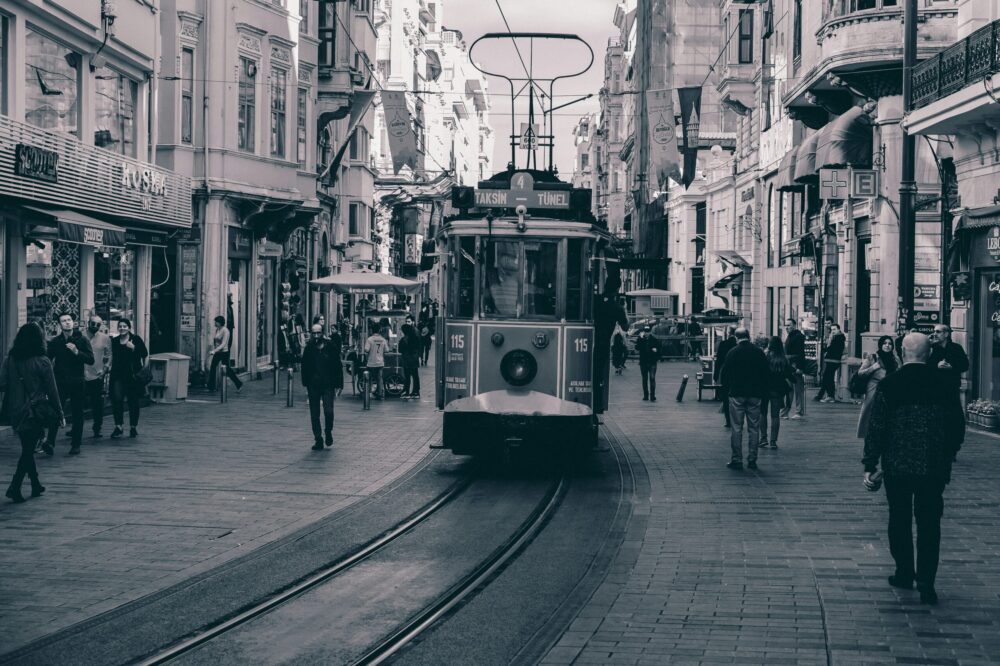
Mado is famous for its ice cream, but their salep is equally impressive. Using genuine salep powder, they serve a thick, aromatic drink. The Istiklal Street branch is always bustling. Order a salep with a side of künefe for a sweet contrast.
Pierre Loti Hill: Scenic and Satisfying
Perched on a hill overlooking the Golden Horn, Pierre Loti Cafe offers breathtaking views alongside a warm cup of salep. The setting is romantic, especially at sunset. Their salep is well-made, though slightly thinner than some purists prefer. Still, the experience is unmatched.
Çorlulu Ali Paşa Medresesi: Hidden Gem
Tucked inside a historic medrese near the Grand Bazaar, this nargile (hookah) cafe also serves excellent salep. The courtyard is serene, away from tourist crowds. Their salep is thick and fragrant, often served with a side of Turkish coffee.
Vefa Bozacısı: A Unique Twist
Though primarily known for boza (fermented millet drink), Vefa Bozacısı serves a delicious salep in winter. Their version is slightly sweeter than average, with a distinct hint of vanilla. Located in the Vefa district, it’s a local favorite.
How to Identify Quality Salep
- Texture: Should be creamy, not watery or overly thick like pudding.
- Aroma: A subtle floral scent from orchid powder, not artificial vanilla.
- Taste: Mildly sweet with earthy undertones; cinnamon should complement, not overpower.
- Topping: Freshly ground cinnamon or sometimes crushed pistachios.
Common Mistakes When Ordering Salep
- Asking for instant mixes: Many touristy cafes use pre-packaged powders. Look for places that mention “gerçek salep” (real salep).
- Skipping the cinnamon: Cinnamon isn’t just decoration; it enhances the flavor.
- Not checking the temperature: Salep should be served hot but not scalding. If it’s lukewarm, send it back.
Salep vs. Sahlep: Same Drink, Different Name


You might see “sahlep” on menus. It’s the same drink, just an alternative spelling. Both refer to the orchid-based beverage. Some cafes use “sahlep” for the artificial version, but there’s no strict rule. Always ask if they use real salep powder.
Best Time to Drink Salep
Salep is traditionally a winter drink, enjoyed from November to March. Many cafes only offer it seasonally. If you visit in summer, you might still find it at tourist-heavy spots, but the quality may suffer. For the best experience, go during colder months and pair it with a simit (sesame bread ring).
Frequently Asked Questions About Salep in Istanbul
Is salep available year-round in Istanbul?
Most cafes serve salep only in winter (November to March). Some tourist-oriented cafes offer it year-round, but quality may vary.
What is the price range for a cup of salep?
Prices range from 20 to 50 Turkish Lira (approx. $1 to $3 USD) depending on the cafe and location. Historic or high-end venues may charge more.
Can I find vegan or dairy-free salep?
Traditional salep uses milk. Some cafes offer versions with almond or soy milk, but they are rare. Check with the cafe beforehand.
Is salep gluten-free?
Yes, pure salep powder and milk are gluten-free. However, some mixes may contain additives. Ask the staff if you have celiac disease.
Where can I buy salep powder to make at home?
You can find salep powder at spice shops like the Spice Bazaar (Mısır Çarşısı) or online. Look for “gerçek salep” (real salep) to ensure authenticity.
What does salep taste like?
It has a mild, earthy sweetness with a creamy texture. The flavor is subtle, often compared to a light chai or vanilla latte with floral notes.
Final Tips for the Perfect Salep Experience
When in Istanbul, seek out cafes that prioritize authenticity. Don’t hesitate to ask about their salep source. A good cup of salep is more than a drink—it’s a warm embrace on a cold day. Whether you choose a historic venue or a modern cafe, the best salep in Istanbul cafes will leave you craving more. Enjoy it slowly, savoring each sip, and let the cinnamon linger on your lips.
Photo by mostafa_meraji on Pixabay