
Table des matières:
Why Lyon Is a Must-Visit for Roman History Lovers
Lyon, known as Lugdunum in Roman times, was the capital of Roman Gaul and one of the most important cities in the Western Roman Empire. Today, it boasts some of the best-preserved Roman ruins in France, rivaling those in Rome itself. Whether you’re a history buff or a casual traveler, the city’s ancient theaters, aqueducts, and museums offer a fascinating glimpse into the past. In this guide, we’ll explore the best Roman ruins in Lyon and provide practical tips for visiting them.
The Best Roman Ruins in Lyon: An Overview
Lyon’s Roman heritage is concentrated on the Fourvière hill, but scattered across the city you’ll find impressive remains. Here are the top sites you shouldn’t miss:
1. Théâtre Antique de Fourvière (Ancient Theatre of Fourvière)
The Théâtre Antique de Fourvière is the most iconic Roman ruin in Lyon. Built around 15 BC under Emperor Augustus, it could originally seat up to 10,000 spectators. Today, it’s still used for concerts and performances during the Nuits de Fourvière festival. The theatre offers stunning views over the city and is a must-see for any visitor.
Tip: Visit early in the morning or late afternoon to avoid crowds and enjoy the best light for photos.
2. Odéon Antique (Ancient Odeon)
Adjacent to the theatre, the Odéon Antique is a smaller, covered theatre used for musical performances and poetry readings. Built in the 2nd century AD, it could accommodate around 3,000 people. Its well-preserved stage and seating area make it a perfect complement to the larger theatre.
3. Amphithéâtre des Trois Gaules (Amphitheatre of the Three Gauls)
Located in the Croix-Rousse district, this amphitheatre was built in 19 AD to host the annual assembly of the three Gallic provinces. It could hold up to 20,000 spectators and was used for gladiatorial contests and public executions. Although only partial remains survive, the site is historically significant and worth a visit.
4. Aqueduc du Gier (Gier Aqueduct)
This impressive aqueduct once supplied water to Lugdunum from the Gier River, over 80 kilometers away. Several sections are still visible, including the famous Pont du Gier in Chaponost and the Aqueduc du Gier in the Parc de la Tête d’Or. The arches and channels demonstrate advanced Roman engineering.
5. Musée Lugdunum (Lugdunum Museum)
While not a ruin itself, the Musée Lugdunum is built into the hillside and houses an extensive collection of Roman artifacts, including mosaics, statues, and everyday objects. The museum also features a reconstructed Roman house and offers interactive exhibits. It’s the perfect starting point for understanding Lyon’s Roman history.
6. Cirque Romain (Roman Circus)
Fragments of the Roman circus, used for chariot races, can be seen in the Parc de la Tête d’Or. Though little remains, the site gives an idea of the scale of entertainment in ancient Lugdunum.
How to Visit the Roman Ruins in Lyon: Practical Tips
Planning your visit to Lyon’s Roman ruins can enhance your experience. Here’s a quick checklist:



- Start at the Musée Lugdunum to get context before exploring the ruins.
- Wear comfortable shoes – the Fourvière hill is steep, and you’ll do a lot of walking.
- Check opening hours – some sites are free and open year-round, while others have seasonal hours.
- Combine with a visit to the Basilique Notre-Dame de Fourvière – it’s right next to the theatre and offers panoramic views.
- Use public transport – take the funicular from Vieux Lyon to Fourvière station.
Comparison Table: Key Roman Ruins in Lyon
| Site | Location | Date Built | Capacity | Free Entry |
|---|---|---|---|---|
| Théâtre Antique | Fourvière | 15 BC | 10,000 | Yes (except during events) |
| Odéon Antique | Fourvière | 2nd century AD | 3,000 | Yes |
| Amphithéâtre des Trois Gaules | Croix-Rousse | 19 AD | 20,000 | Yes |
| Aqueduc du Gier | Various | 1st-2nd century AD | N/A | Yes |
Common Mistakes to Avoid When Visiting Roman Ruins in Lyon
To make the most of your visit, avoid these pitfalls:
- Only visiting the theatre – Many tourists miss the Odeon and amphitheatre, which are equally fascinating.
- Skipping the museum – Without context, the ruins may not feel as meaningful. The museum brings them to life.
- Not checking event schedules – The theatre is sometimes closed for rehearsals or performances. Plan accordingly.
- Underestimating the walk – Fourvière hill is steep; take the funicular if you have mobility issues.
Related Roman Sites Near Lyon
If you have extra time, consider these nearby Roman ruins:
- Vienne – 30 minutes south by train, home to the Temple of Augustus and Livia and a Roman theatre.
- Saint-Romain-en-Gal – Across the Rhône from Vienne, an archaeological museum with a vast Roman villa.
- Aqueduc du Gier – Explore the longer sections in Chaponost and the Parc de la Tête d’Or.
Frequently Asked Questions About Roman Ruins in Lyon
Are the Roman ruins in Lyon free to visit?
Yes, most ruins like the Théâtre Antique, Odéon, and Amphithéâtre des Trois Gaules are free to enter. The Musée Lugdunum has an admission fee, but it’s reasonable.
What is the best time of year to visit Lyon’s Roman ruins?
Spring (April-June) and autumn (September-October) offer mild weather and fewer crowds. Summer can be hot and busy, especially during the Nuits de Fourvière festival.
How much time do I need to see the main Roman ruins?
Allow at least half a day to explore the Fourvière sites (theatre, odeon, museum) and another hour for the amphitheatre in Croix-Rousse.
Can I take guided tours of the Roman ruins?
Yes, the Musée Lugdunum offers guided tours, and you can also book private guides through local tour companies. Audio guides are available at the museum.
Are the ruins accessible for people with disabilities?
The Théâtre Antique and Odéon have uneven terrain; parts are accessible but not all. The museum is fully accessible. Check individual sites for details.
What other ancient Roman sites are in Lyon besides ruins?
Lyon also has the Jardin des Plantes with Roman artifacts, the Basilique de Fourvière built on Roman foundations, and the Rue des Fargues mosaics visible through glass panels.
Plan Your Visit to Lyon’s Roman Ruins Today
Lyon’s Roman ruins are among the best preserved in France and offer a unique window into the ancient world. From the grand Théâtre Antique to the engineering marvel of the Aqueduc du Gier, these sites are not to be missed. Whether you’re a history enthusiast or a curious traveler, exploring Lugdunum’s legacy will enrich your trip to Lyon. Start planning your itinerary now and step back in time to the days of the Roman Empire.
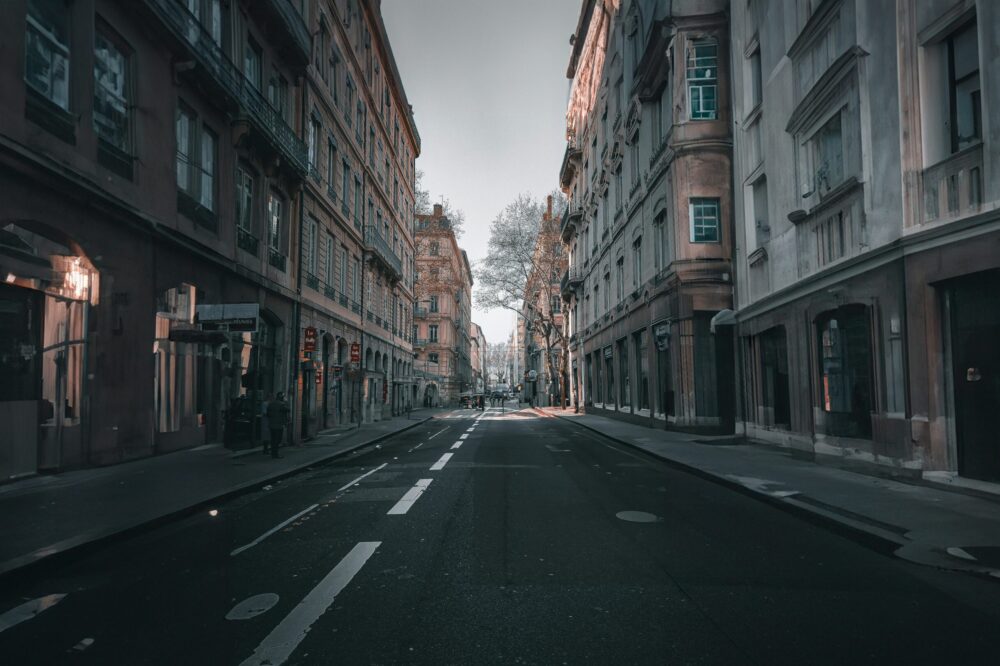
Photo by Bryan Dijkhuizen on Unsplash
Great guide! Are the ruins on Fourvière hill accessible for wheelchair users?
Yes, the Théâtre Antique and Odéon are wheelchair accessible via ramps, and the Musée Lugdunum has elevators. The Amphithéâtre des Trois Gaules has uneven ground, so it may be challenging. I recommend checking the official sites for detailed accessibility info.
Thanks for the tip about visiting early. We went at 8:30 AM and had the theatre almost to ourselves!
That’s wonderful! Early morning is indeed the best time for a peaceful visit and great photos. Glad it worked out for you.
Is there a combined ticket for the theatre and museum?
Yes, the Musée Lugdunum and the ancient theatres share a combined ticket (around €9 for adults). It gives you access to both the museum and the archaeological site. Highly recommended for a full experience.
I’m planning a trip in July. Are the ruins very crowded then?
July is peak season, so the Théâtre Antique can get busy, especially during the Nuits de Fourvière festival. To avoid crowds, visit early morning (around 9 AM) or late afternoon. The amphitheatre and aqueducts are usually quieter.
Can you still see the aqueduct inside Parc de la Tête d’Or?
Yes, a section of the Gier Aqueduct runs through Parc de la Tête d’Or. Look for the arches near the botanical garden. It’s a nice spot for a picnic while exploring Roman engineering.
Are there any guided tours available in English?
Yes, the Musée Lugdunum offers English audio guides, and there are guided walking tours of the Roman ruins (e.g., from Lyon Tourism). Check their website for schedules. Some tours also include the aqueducts.
How long does it take to see all the main ruins?
You can cover the key sites in one day: start at Fourvière hill (theatre, odeon, museum) in the morning, then head to the Amphithéâtre des Trois Gaules and the aqueduct sections. For a relaxed pace, allow 4-5 hours including travel between sites.