
Table des matières:
Why Rome Is the Ultimate Food Tour Destination in 2026
Rome’s culinary scene is a living museum of flavors, where ancient recipes meet modern innovation. For a food tour in 2026, the Eternal City offers an unparalleled journey through trattorias, markets, and family-run osterias. Whether you’re a first-time visitor or a seasoned traveler, knowing the best restaurants in Rome for a food tour 2026 ensures you taste the city’s soul—from carbonara to cacio e pepe, and from pizza al taglio to artisanal gelato.
This guide is designed to help you plan a self-guided or small-group food tour, highlighting iconic neighborhoods, must-try dishes, and practical tips to avoid tourist traps.
Neighborhood-by-Neighborhood: Where to Eat in Rome
Trastevere: The Heart of Roman Cuisine
Trastevere’s narrow cobblestone streets are lined with trattorias that have been serving Roman classics for generations. For an authentic food tour, start here.
- Da Enzo al 29: A tiny spot known for its cacio e pepe and amatriciana. Arrive early or be prepared to queue.
- Osteria der Belli: Famous for its fried artichokes (carciofi alla giudia) and carbonara made with guanciale.
- Pizzeria ai Marmi: A casual pizzeria serving thin-crust Roman pizza—perfect for a quick bite between tastings.
Testaccio: The Foodie District
Testaccio is Rome’s culinary heart, home to the famous Mercato di Testaccio and historic offal-focused eateries.
- Mercato di Testaccio: Sample fresh pasta, porchetta sandwiches, and supplì (fried rice balls). Don’t miss Mordi e Vai for a classic meatball sandwich.
- Flavio al Velavevodetto: Known for its cacio e pepe and rigatoni alla carbonara, served in a cozy setting.
- Perilli: A historic trattoria famous for its pajata (veal intestine) and other traditional offal dishes.
Centro Storico: Historic Eateries & Modern Twists
Central Rome offers a mix of tourist-friendly spots and hidden gems. Focus on places that prioritize quality over location.
- Armando al Pantheon: A classic trattoria near the Pantheon, serving artichokes alla romana and tonnarelli cacio e pepe.
- Pizzeria da Baffetto: A legendary spot for thin-crust pizza, but expect long lines.
- Roscioli: A deli-restaurant hybrid where you can taste cured meats, cheeses, and pasta—ideal for a progressive meal.
Must-Try Dishes on a Roman Food Tour
A food tour isn’t complete without sampling these iconic Roman dishes:
| Dish | Key Ingredients | Where to Try |
|---|---|---|
| Carbonara | Eggs, guanciale, pecorino, pepper | Da Enzo al 29, Flavio al Velavevodetto |
| Cacio e Pepe | Pecorino cheese, black pepper | Armando al Pantheon, Roscioli |
| Amatriciana | Guanciale, tomato, pecorino | Osteria der Belli, Perilli |
| Supplì | Rice, mozzarella, tomato sauce | Mercato di Testaccio, Supplì Roma |
| Carciofi alla Giudia | Artichokes, olive oil | Osteria der Belli, Da Enzo al 29 |
| Gelato | Fresh milk, fruit, nuts | Gelateria dei Gracchi, Fatamorgana |
How to Plan Your Self-Guided Food Tour in Rome
Creating your own food tour gives you flexibility and allows you to follow your cravings. Here’s a practical checklist:
- Choose 2-3 neighborhoods to avoid rushing. Trastevere + Testaccio is a classic combo.
- Start with a market like Mercato di Testaccio for breakfast or a light snack.
- Time your meals: Lunch is typically 12:30-2:30 PM, dinner from 7:30 PM onward. Many trattorias close between lunch and dinner.
- Reserve in advance for popular spots like Da Enzo al 29 or Armando al Pantheon.
- Pace yourself: Share dishes to sample more. A typical tour includes 4-6 stops.
- Stay hydrated with local wine or water—avoid heavy drinks between tastings.
Common Mistakes to Avoid on a Roman Food Tour
Even experienced foodies can fall into traps. Here’s what to watch out for:
- Eating at restaurants with multilingual menus—they often cater to tourists and lack authenticity.
- Skipping the antipasti—start with bruschetta, fried artichokes, or cured meats to set the stage.
- Ordering pasta as a main course—in Rome, pasta is a primo (first course), not a main. Follow with a second course like saltimbocca or abbacchio.
- Forgetting to try street food—pizza al taglio, supplì, and trapizzini are affordable and delicious.
- Overlooking the wine—pair your pasta with a local Frascati or Cesanese del Piglio.
Sample 3-Day Food Tour Itinerary for Rome 2026
To help you get started, here’s a sample itinerary that covers the best restaurants in Rome for a food tour 2026:



Day 1: Trastevere & Centro Storico
- Morning: Gelato at Gelateria dei Gracchi (Trastevere).
- Lunch: Da Enzo al 29 for cacio e pepe and amatriciana.
- Afternoon: Pizza al taglio at Pizzeria ai Marmi.
- Dinner: Armando al Pantheon for tonnarelli cacio e pepe and artichokes.
Day 2: Testaccio & Aventino
- Morning: Mercato di Testaccio for supplì and porchetta sandwich.
- Lunch: Flavio al Velavevodetto for carbonara.
- Afternoon: Visit Volpetti for a cheese and cured meat tasting.
- Dinner: Perilli for pajata or saltimbocca.
Day 3: Monti & Esquilino
- Morning: Pastry at Pasticceria Regoli (maritozzo con panna).
- Lunch: Trattoria Monti for homemade pasta.
- Afternoon: Explore Mercato Centrale Rome (Termini) for a variety of stalls.
- Dinner: Ristorante Piperno for a modern take on Roman classics.
Frequently Asked Questions About Rome Food Tours
What is the best time of year for a food tour in Rome?
Spring (April-May) and fall (September-October) offer mild weather and seasonal ingredients like artichokes and porcini mushrooms. Summer can be hot and crowded, but gelato and fresh produce shine.
How much does a food tour in Rome cost?
Self-guided tours can cost as little as €30-50 per person for a day of eating. Guided tours range from €70-150 per person, often including wine pairings and skip-the-line access.
Do I need to book restaurants in advance?
Yes, for popular spots like Da Enzo al 29 and Armando al Pantheon, reservation is essential. For casual places like pizzerias, you can usually walk in.
What are the best restaurants in Rome for a food tour 2026 for vegetarians?
Try Ristorante La Dolce Vita for vegetarian pasta, Margherita Pizza at any good pizzeria, and Supplì from street vendors. Many trattorias offer vegetable side dishes like puntarelle and broccoli romanesco.
Can I do a food tour with dietary restrictions?
Yes, many restaurants accommodate gluten-free and lactose-free requests. Look for places like Voglia di Pizza for gluten-free pizza, and always inform the staff.
What is the most underrated dish to try in Rome?
Try pajata (veal intestine) or coda alla vaccinara (oxtail stew) for a truly authentic experience. These dishes are less common but deeply rooted in Roman cuisine.
Final Tips for an Unforgettable Food Tour in Rome 2026
To make the most of your culinary journey, keep these pointers in mind:
- Walk between stops to burn off calories and discover hidden gems.
- Talk to locals—ask your waiter or market vendor for their favorite spot.
- Embrace the aperitivo culture at bars like Freni e Frizione for pre-dinner drinks and snacks.
- Book a guided tour if you want insider knowledge and curated tastings. Companies like Eating Italy Food Tours offer excellent options.
- Don’t skip dessert—try tiramisù, panna cotta, or a simple gelato from a artisanal gelateria.
Rome’s food scene is ever-evolving, but the classics remain timeless. By focusing on the best restaurants in Rome for a food tour 2026, you’ll experience the city like a true local—one delicious bite at a time.
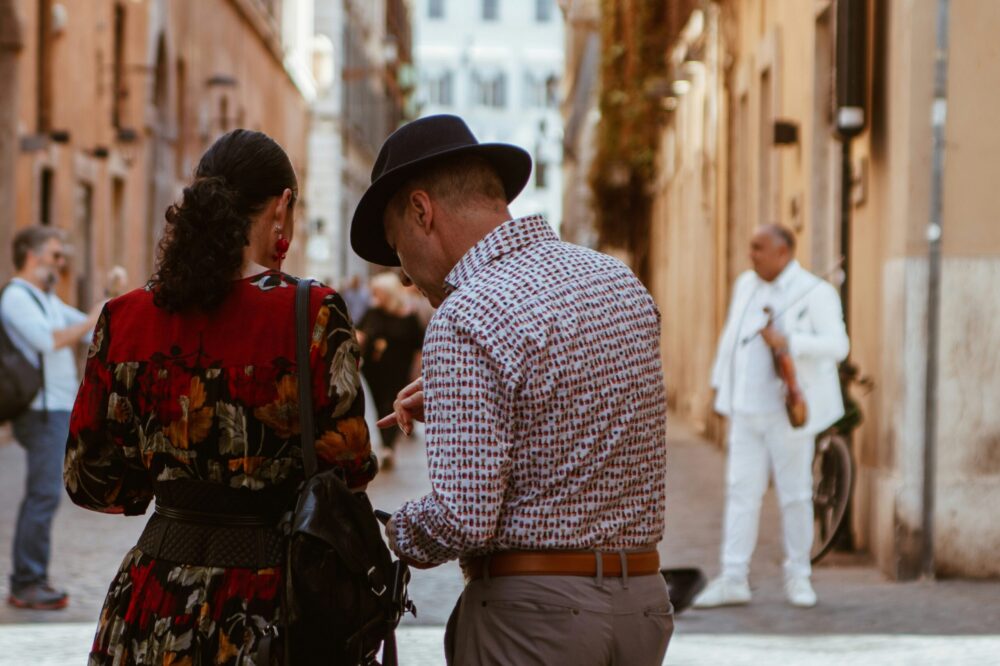
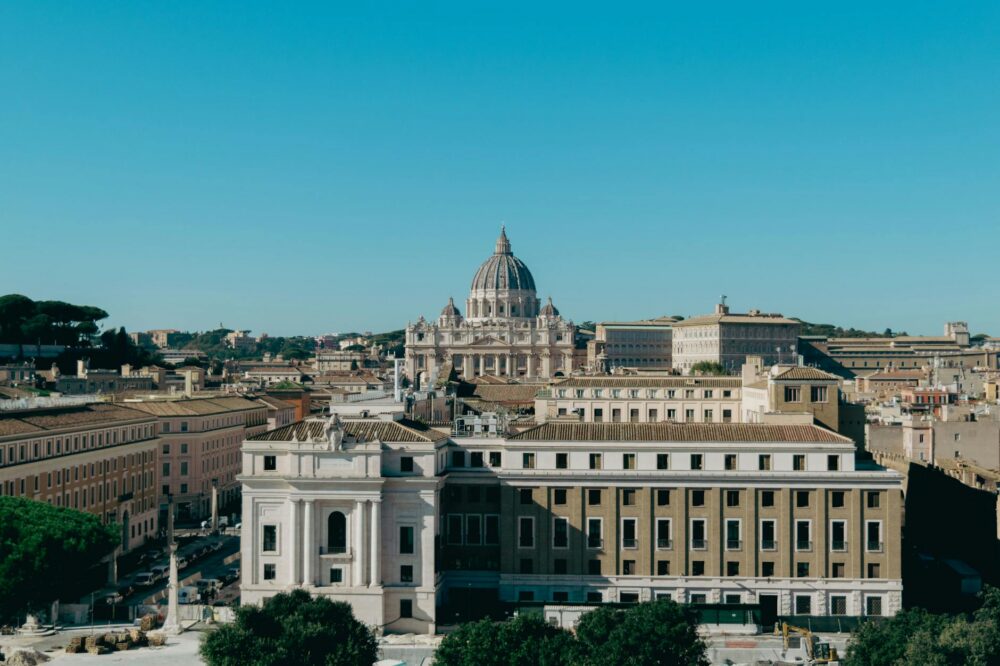
Photo by Alessia Cocconi on Unsplash
Great guide! I’m planning a food tour for 2026 and wondering if you have any tips for avoiding the tourist traps near Piazza Navona?
Absolutely! Focus on side streets like Via dei Chiavari or Via della Cuccagna. Avoid any restaurant with aggressive touts or menus in multiple languages. Armando al Pantheon (near Pantheon) is reliable, but for authentic spots, head to Trastevere or Testaccio.
I love cacio e pepe but I’m gluten-intolerant. Are there any Roman restaurants that offer gluten-free pasta options for that dish?
Yes, several places accommodate gluten-free diets. For cacio e pepe, try Roscioli—they offer gluten-free pasta on request. Also, check out Voglia di Pizza for gluten-free pizza. Always call ahead to confirm availability.
Is Da Enzo al 29 really worth the long queue? I’ve heard mixed reviews.
It’s very popular for a reason—the cacio e pepe and amatriciana are top-notch. If you don’t want to queue, go early (just before opening at 12:30 PM) or late (after 2 PM). Alternatively, nearby Osteria der Belli is also excellent and often has shorter waits.
What’s the best way to do a self-guided food tour in Testaccio? Should I start at the market?
Definitely start at Mercato di Testaccio around 10 AM for breakfast bites like supplì and coffee. Then visit Mordi e Vai for a porchetta sandwich. For lunch, head to Flavio al Velavevodetto for pasta. End with a gelato from La Romana. This route covers all must-try items without backtracking.
I’m vegetarian—what dishes can I enjoy on a Roman food tour besides pizza and pasta?
Plenty! Try carciofi alla giudia (fried artichokes) at Osteria der Belli, supplì (if made without meat), and marinated vegetables like peperonata. For a full meal, many trattorias offer vegetarian pasta options like cacio e pepe or pasta with pomodoro. Also, Gelateria dei Gracchi has excellent fruit-based gelatos.
Your guide mentions 2026—are there any new restaurant openings or trends to watch out for in Rome that year?
While we can’t predict specific openings, trends include more farm-to-table concepts and creative takes on classic dishes. Keep an eye on neighborhoods like Pigneto and San Lorenzo for innovative spots. Also, traditional trattorias are increasingly offering gluten-free and vegan options. Follow local food blogs for updates.