

Rome’s dining scene is undergoing a delicious revolution. As travelers become more conscious about where their food comes from, farm-to-table restaurants in Rome are leading the charge. In 2026, the Eternal City offers an impressive array of eateries that source directly from local farms, use seasonal ingredients, and celebrate Lazio’s agricultural heritage. Whether you’re a foodie seeking authentic Roman cuisine or a sustainability enthusiast, this guide will help you find the best restaurants in Rome for a farm-to-table experience.
Table des matières:
Why Farm-to-Table Dining Matters in Rome
Rome sits in the heart of Lazio, a region rich with fertile plains, volcanic hills, and a coastline that yields exceptional produce, olive oil, cheese, and seafood. Farm-to-table dining isn’t just a trend here—it’s a return to tradition. Many Roman restaurants have always relied on local markets like Campo de’ Fiori or Testaccio. However, a new wave of chefs is formalizing this connection, offering menus that change with the seasons and highlight the work of small-scale producers. Eating farm-to-table in Rome means supporting biodiversity, reducing food miles, and tasting ingredients at their peak.
Top Farm-to-Table Restaurants in Rome (2026 Selection)
We’ve curated a list of the most exceptional farm-to-table restaurants in Rome for 2026. Each one has been selected for its commitment to local sourcing, seasonal menus, and unforgettable dining experiences.
1. Roscioli Salumeria con Cucina
Location: Via dei Giubbonari, 21/22 (Centro Storico)
Farm-to-table approach: Roscioli is a deli, restaurant, and wine bar that works directly with small farms in Lazio and throughout Italy. Their cured meats come from heritage-breed pigs, cheeses from artisanal dairies, and vegetables from organic growers near Rome.
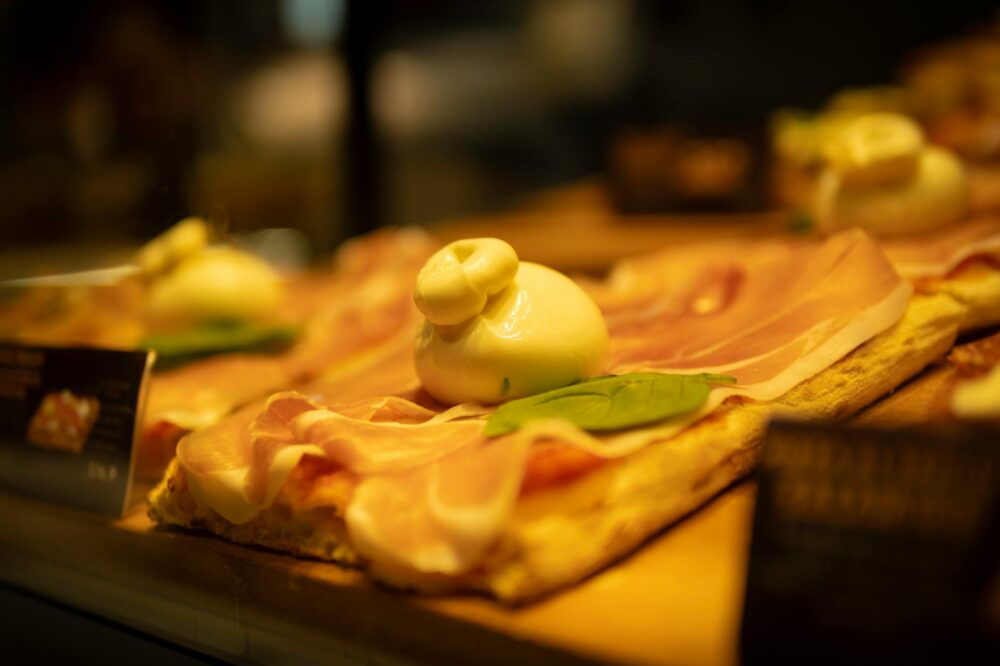
Must-try dishes: Carbonara with guanciale from their own supplier, burrata with heirloom tomatoes, and the tasting menu that pairs wine with seasonal produce. Reservations are essential—book weeks in advance.
2. La Pergola (The only three-Michelin-starred restaurant in Rome)
Location: Via Alberto Cadlolo, 101 (Monte Mario)
Farm-to-table approach: Chef Heinz Beck sources ingredients from his own organic garden in Umbria and partners with local farmers. The menu is hyper-seasonal, and each dish tells a story of place.
Must-try dishes: The “Vegetable Garden” starter, which changes daily based on what’s harvested, and the lamb from Lazio’s pastures. This is a splurge, but the experience is unmatched.
3. Retrobottega
Location: Via della Pelliccia, 53 (Trastevere)
Farm-to-table approach: This modern trattoria operates a small grocery shop in front and a kitchen in the back. They source vegetables from the owner’s family farm in Lazio and use only Italian ingredients.
Must-try dishes: The daily vegetable plate (a colorful array of roasted and raw seasonal veggies), homemade pasta with cacio e pepe, and the grilled meat from local farms. The menu changes weekly.
4. Armando al Pantheon
Location: Salita dei Crescenzi, 31 (Piazza della Rotonda)
Farm-to-table approach: A historic trattoria that has been serving Roman classics since 1961. They prioritize local suppliers, including the famous Norcia butchers for pork and Lazio’s sheep farmers for ricotta and pecorino.
Must-try dishes: Amatriciana with guanciale from Norcia, artichoke alla romana (seasonal), and the ricotta cheesecake made with sheep’s milk ricotta. A timeless choice.
5. Osteria Fernanda
Location: Via dei Banchi Vecchi, 57 (Navona/Ponte)
Farm-to-table approach: Chef Alessandro Miocchi works with a network of small farms, foragers, and fishermen. The menu is divided by ingredient origin: land, sea, and garden.
Must-try dishes: The “Garden” course featuring raw and cooked vegetables from the Agerola plateau, and the wild fish from the Tyrrhenian Sea. The wine list features natural wines from Lazio.
How to Identify a True Farm-to-Table Restaurant in Rome
Not every restaurant claiming to be farm-to-table lives up to the promise. Here’s a checklist to help you spot the real deal:
- Menu changes frequently—if the menu is the same all year, they aren’t using seasonal ingredients.
- Producers are named—restaurants proud of their sourcing often list farms or regions on the menu.
- Vegetable-forward dishes—a true farm-to-table kitchen celebrates vegetables as much as meat.
- Wine list features local labels—especially natural or organic wines from Lazio.
- Staff can answer sourcing questions—ask where the olive oil or cheese comes from; if they hesitate, it’s a red flag.
Seasonal Eating in Rome: What to Order When



Farm-to-table dining is all about timing. Here’s a quick guide to Rome’s seasonal bounty:
| Season | Key Ingredients | Dishes to Look For |
|---|---|---|
| Spring (March–May) | Artichokes, asparagus, fava beans, peas, wild herbs | Carciofi alla romana, vignarola (spring vegetable stew) |
| Summer (June–August) | Tomatoes, zucchini, eggplant, peppers, basil, melons | Pasta alla norma, caprese, grilled vegetables |
| Autumn (September–November) | Mushrooms, truffles, chestnuts, pumpkins, grapes | Pasta with porcini mushrooms, risotto with truffles |
| Winter (December–February) | Cabbage, broccoli, cardoons, citrus, olives | Broccoli romanesco, puntarelle salad, olive all’ascolana |
Farm-to-Table Dining on a Budget in Rome
You don’t need a Michelin star to eat locally. Rome has many affordable spots that prioritize quality sourcing. Look for trattorias in Testaccio—the historic working-class neighborhood known for its food market and butchers. Places like Da Felice (via Mastro Giorgio, 29) serve classic Roman dishes with ingredients from the nearby market. Another budget-friendly gem is Flavio al Velavevodetto (via di Monte Testaccio, 97), which uses local produce and makes its own pasta. For a quick lunch, Mercato Centrale Roma (via Giovanni Giolitti, 36) offers several stalls that source from small farms—try the vegetable-focused counter or the fresh pasta station.
Common Mistakes to Avoid When Seeking Farm-to-Table in Rome
- Falling for tourist traps near major monuments—menus with photos and English translations often rely on frozen ingredients. Walk a few streets away.
- Ignoring the contorni (side dishes)—in Rome, side dishes are often the best indicator of fresh produce. Order the seasonal greens or roasted vegetables.
- Skipping the market visits—a great way to understand farm-to-table is to visit Testaccio Market or the farmers’ market at Via Andrea Doria. Many restaurants source there.
- Assuming “organic” means local—organic produce can be imported. Ask for Lazio origin specifically.
Farm-to-Table Beyond the Plate: Experiences and Tours
To deepen your farm-to-table experience in Rome, consider a food tour that includes producer visits. Companies like Eating Italy Food Tours offer guided walks through Testaccio Market with tastings from local farmers. Another option is a day trip to the Roman countryside (Campagna Romana) where you can visit an organic farm, pick vegetables, and enjoy a lunch prepared with your harvest. Some restaurants, like La Pergola, offer kitchen garden tours by appointment. These experiences connect you directly with the land and people behind your meal.
What’s New in 2026: Trends in Roman Farm-to-Table Dining
As of 2026, several exciting developments are shaping Rome’s farm-to-table scene:
- Urban farms and rooftop gardens—restaurants like Eataly Roma and Hotel Raphael’s rooftop are growing herbs and vegetables on-site.
- Zero-waste initiatives—places like Retrobottega are using every part of the vegetable, from leaves to stems.
- Digital farm-to-table platforms—apps like LocalFood.roma let you order directly from farms and have produce delivered to your hotel or vacation rental.
- More natural wine bars with food—establishments like Il Goccetto and Litigio pair farm-fresh snacks with organic wines from Lazio.
Frequently Asked Questions About Farm-to-Table Restaurants in Rome
What does farm-to-table mean in Rome?
It means restaurants source ingredients directly from local farms, often within Lazio or nearby regions. Menus change seasonally, and the focus is on freshness, sustainability, and supporting small producers.
Are farm-to-table restaurants in Rome expensive?
Not necessarily. While high-end options like La Pergola are costly, many trattorias and osterias offer affordable farm-to-table meals. Testaccio has several budget-friendly spots that prioritize local sourcing.
Can I find vegetarian or vegan farm-to-table options in Rome?
Yes. Many farm-to-table restaurants in Rome offer excellent vegetarian and vegan choices, especially in spring and summer when vegetables are abundant. Look for places like Retrobottega or Osteria Fernanda, which have dedicated vegetable courses.
Do I need to speak Italian to enjoy farm-to-table dining in Rome?
No, but knowing a few phrases helps. Most restaurants in central Rome have English menus or staff who speak English. However, visiting local markets or small farms may require basic Italian or a guide.
How can I verify a restaurant’s farm-to-table claims?
Ask the staff about the origin of key ingredients like olive oil, cheese, and vegetables. Check if they name specific farms or regions on the menu. Also, look for seasonal menu changes—a fixed year-round menu is a red flag.
What is the best time of year for farm-to-table dining in Rome?
Spring (April–June) and autumn (September–October) are ideal because the weather is pleasant and the harvest is abundant. Summer offers fantastic tomatoes and zucchini, while winter features hearty greens and citrus.
Your Next Steps: Enjoying Rome’s Farm-to-Table Scene in 2026
Now that you know where to go and what to look for, it’s time to book your table. Start with one or two of the restaurants listed above, and don’t be afraid to ask questions about sourcing. Combine your meals with a visit to a local market or a farm tour to fully appreciate Rome’s agricultural roots. Remember, the best farm-to-table experience in Rome is not just about eating—it’s about connecting with the land, the farmers, and the traditions that make Roman cuisine so special. Buon appetito!
Photo by Germán Latasa on Pexels

Are reservations really necessary for Roscioli? I’ve heard it’s popular, but can you usually get a table if you walk in?
Yes, reservations are strongly recommended, especially for dinner. Roscioli is extremely popular and often booked weeks ahead. Walk-ins are rarely possible, so it’s best to plan ahead.
Great list! I’m curious about the price range for Retrobottega. Is it affordable for a casual dinner?
Retrobottega is moderately priced for Rome. Expect around €40-60 per person for a full meal with wine, making it a good option for a quality farm-to-table experience without breaking the bank.
I appreciate the focus on sustainability. Are there any other farm-to-table spots in Rome that didn’t make this list but are worth checking out?
Yes, you might also like ‘Osteria Fernanda’ and ‘Il Margutta RistorArte.’ Both emphasize local, seasonal ingredients. ‘Osteria Fernanda’ has a modern take on Roman classics, while ‘Il Margutta’ is a vegetarian-friendly option with a farm-to-table ethos.
Do any of these restaurants offer vegetarian or vegan options? I’m plant-based and would love to try farm-to-table in Rome.
Absolutely. Retrobottega and La Pergola have excellent vegetable-focused dishes. Roscioli also offers vegetarian options like burrata and seasonal vegetables. You’ll find plenty of plant-based choices, especially at Retrobottega’s daily vegetable plate.