
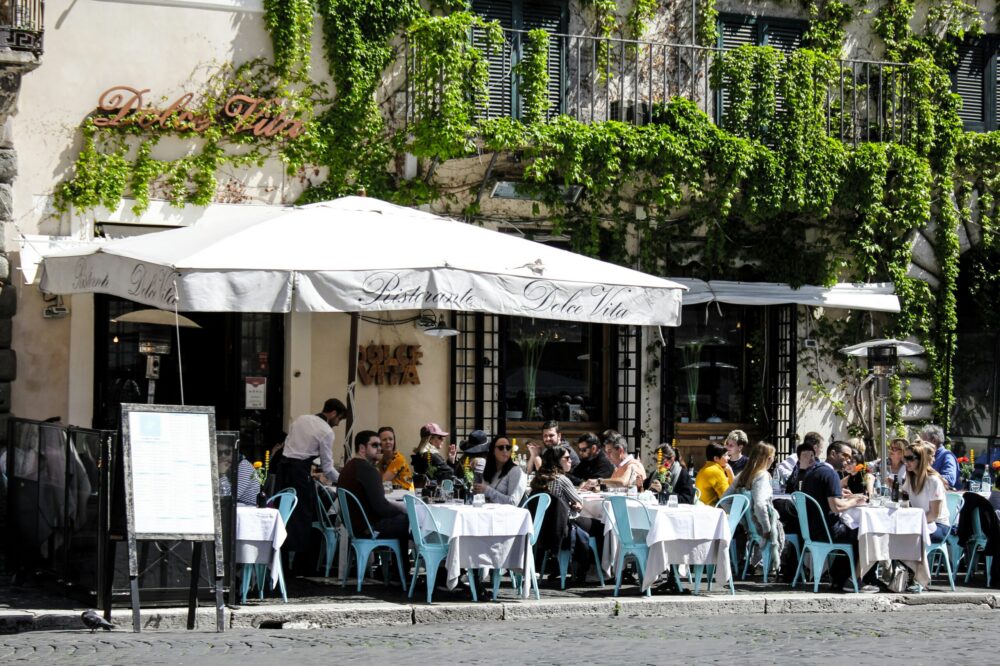
Rome’s culinary scene is legendary, but finding authentic local eateries among countless tourist traps can be daunting. In 2026, the best restaurants in Rome for a local experience are those that prioritize tradition, seasonal ingredients, and genuine hospitality. This guide reveals where Romans actually dine, from family-run trattorias to modern osterias, ensuring you taste the real flavors of the Eternal City.
Table des matières:
Why Seek a Local Restaurant Experience in Rome?
Eating like a local means avoiding overpriced, mediocre menus near major attractions. Romans value cucina romana—simple, bold dishes like cacio e pepe, carbonara (no cream!), and saltimbocca. A local restaurant uses fresh, regional produce, often from nearby farms, and follows recipes passed down through generations. In 2026, the trend is toward slow food and sustainability, with many eateries spotlighting organic wines and zero-kilometer ingredients.
Top Neighborhoods for Authentic Roman Dining
To find the best restaurants in Rome for a local experience 2026, focus on these districts:
- Trastevere – Still charming but crowded; head to side streets for hidden gems.
- Testaccio – The historic food hub; home to traditional trattorias and the famous Mercato Testaccio.
- Monti – Trendy but retains local character; known for aperitivo and wine bars.
- Pigneto – Emerging area with multicultural eateries and young chefs.
- San Lorenzo – Student district with affordable, no-frills classics.
Our Handpicked Local Favorites (2026 Edition)
These establishments consistently deliver authentic Roman cuisine with a local vibe.
1. Da Enzo al 29 (Trastevere)
A tiny trattoria with no reservations—expect queues. Their cacio e pepe is legendary, and the seasonal contorni (side dishes) change daily. The atmosphere is lively, with locals chatting at communal tables. Must-try: Carciofi alla Romana (Roman-style artichokes) when in season.
2. Flavio al Velavevodetto (Testaccio)
Set in a former pasta factory, this spot is a temple to Roman cuisine. The carbonara is textbook-perfect, and the tonnarelli cacio e pepe is a crowd-pleaser. They source wine from small Lazio producers. Insider tip: Order the fritti (fried starters) like supplì and baccalà.
3. Trattoria Da Cesare al Casaletto (Monteverde)
Worth the tram ride from the center. This family-run trattoria serves amatriciana with guanciale (cured pork cheek) and pecorino, plus homemade pasta. The outdoor seating in summer is delightful. Don’t miss: Their abbacchio alla scottadito (grilled lamb chops) on Sundays.
4. Osteria Fernanda (Monti)
A modern osteria blending tradition with innovation. Chef Giulio Terrinoni uses ancient grains and foraged herbs. The tasting menu offers a journey through Roman flavors. Pair with: A glass of Cesanese del Piglio, a local red wine.
5. Armando al Pantheon (Centro Storico)
Despite its touristy location near the Pantheon, this is a local institution since 1961. They serve classic dishes like pajata (baby lamb intestines) for the adventurous. Reservations essential. Pro tip: Go for lunch to avoid dinner crowds.
How to Spot a Tourist Trap vs. a Local Gem
| Tourist Trap Signs | Local Gem Signs |
|---|---|
| Menus in 5+ languages | Menu in Italian, maybe English translation |
| Pictures of food on menu | Written menu, often handwritten |
| Staff standing outside urging you in | No hard sell; relaxed atmosphere |
| ‘Tourist menu’ with fixed courses | À la carte or daily specials |
| Prices higher than average for area | Fair prices, especially for lunch |
| Frozen or pre-made dishes | Fresh pasta, seasonal vegetables |
Essential Roman Dishes You Must Try



When dining at the best restaurants in Rome for a local experience 2026, these are non-negotiable:
- Cacio e Pepe – Pasta with pecorino cheese and black pepper; simple but perfect.
- Carbonara – Only eggs, guanciale, pecorino, and pepper. No cream!
- Amatriciana – Tomato-based sauce with guanciale and pecorino.
- Supplì – Fried rice balls with mozzarella inside.
- Carciofi alla Giudìa – Jewish-style artichokes, deep-fried whole.
- Saltimbocca – Veal with prosciutto and sage in white wine.
2026 Trends: What’s New in Roman Dining
Rome’s food scene evolves while respecting tradition. In 2026, expect:
- Natural wine bars – Many trattorias now curate organic, minimal-intervention wines.
- Plant-forward options – More restaurants offer vegetarian and vegan versions of classics (e.g., carbonara with mushrooms).
- Street food revival – Trapizzino (pizza pocket) and filetti di baccalà (fried cod) are trending.
- Zero-waste practices – Chefs use every part of ingredients, from peel to bone.
Practical Tips for Dining Like a Roman
- Reservations – Book at least a day ahead for dinner; lunch is walk-in friendly.
- Timing – Lunch from 12:30–2:30pm, dinner from 7:30–10pm. Many places close between.
- Coperto – A small cover charge (€1–3) per person is normal; it covers bread and table service.
- Tipping – Not mandatory; round up or leave small change if satisfied.
- Language – Learn basic phrases: ‘Buongiorno,’ ‘Grazie,’ ‘Il conto, per favore.’
- Payment – Many accept cards, but cash is still king in smaller spots.
Mistakes to Avoid When Choosing a Roman Restaurant
- Eating within 100 meters of a major monument – Prices skyrocket, quality drops.
- Ordering pasta as a main course – In Rome, pasta is a primo; follow with a secondo (meat/fish) and contorno (side).
- Asking for cappuccino after a meal – Italians drink cappuccino only in the morning.
- Skipping the house wine – Often excellent value and locally sourced.
- Ignoring daily specials – They reflect the freshest ingredients.
Frequently Asked Questions
What is the most authentic Roman dish?
Cacio e pepe is the quintessential Roman pasta, with only three ingredients: pasta, pecorino romano, and black pepper. It’s a test of skill for any chef.
Are there good vegetarian options in Roman restaurants?
Yes, many trattorias offer vegetable-based primi like pasta alla Norma (with eggplant) or fiori di zucca (stuffed zucchini flowers). In 2026, dedicated vegetarian menus are more common.
How can I find restaurants where locals eat?
Avoid main tourist streets. Use apps like Yelp (in Italian), or just wander into residential areas. Look for places with handwritten menus and no English signs outside.
Do I need to tip in Rome?
Tipping is not expected but appreciated for good service. Leave a euro or two per person, or round up the bill. Fine dining may include service charge.
What is the typical cost of a meal at a local restaurant?
A full meal (primo, secondo, contorno, wine) at a moderate trattoria costs €30–50 per person. Lunch specials can be €15–25.
Is it safe to drink tap water in Rome?
Yes, tap water is safe and drinkable. Many restaurants serve tap water if requested; otherwise, you pay for bottled water.
Your 2026 Rome Food Journey Starts Here
Finding the best restaurants in Rome for a local experience 2026 requires a mix of research, curiosity, and a willingness to venture off the beaten path. Focus on neighborhoods like Testaccio and Trastevere (side streets), embrace seasonal specialties, and always prioritize quality over convenience. Whether you’re twirling cacio e pepe at Da Enzo or sipping natural wine at Osteria Fernanda, each meal is a chapter in Rome’s living culinary story. Book a table, learn a few Italian words, and savor every bite—your palate will thank you.
Photo by Sara Darcaj on Unsplash


I’m vegetarian—do any of these spots have good options beyond pasta?
Yes! Osteria Fernanda often features vegetable-focused dishes using seasonal produce. Also, many trattorias offer contorni like grilled vegetables, Roman-style artichokes (when in season), and salads. Da Enzo al 29 has excellent seasonal sides. For a fully vegetarian meal, try Trattoria Da Cesare al Casaletto—they can adjust dishes.
Is Testaccio safe to explore at night for dinner? I’ve heard mixed things about that neighborhood.
Testaccio is generally safe and lively in the evening, especially around the main restaurant streets. Like any city, stay aware of your surroundings. The area near Flavio al Velavevodetto and Mercato Testaccio is well-trafficked and popular with both locals and tourists.
Great article! I’m planning a trip to Rome in 2026 and want to avoid tourist traps. Do you have any tips for getting a reservation at Da Enzo al 29 since they don’t take bookings?
Thanks for reading! For Da Enzo al 29, arrive early—aim for 11:45 AM for lunch or 6:30 PM for dinner to beat the queue. Weekdays are less crowded than weekends. If you’re in a group, consider splitting up to get a table sooner.
Thanks for highlighting Armando al Pantheon. I always assumed it was a tourist trap because of the location. Good to know it’s a local institution.
You’re welcome! Armando al Pantheon has been around since 1961 and is beloved by Romans despite its central location. Their pajata and classic carbonara are authentic. Just be sure to book ahead, especially during peak season.
I’ve been to Flavio al Velavevodetto and can confirm the carbonara is amazing. The fried starters are a must. For those going, the supplì is especially good.
Glad you enjoyed it! Flavio al Velavevodetto is indeed a standout for traditional Roman cuisine. Their fried starters like supplì and baccalà are perfect for sharing as an antipasto.
Which of these restaurants is most budget-friendly? I’m traveling on a student budget but still want authentic food.
For budget-friendly authentic dining, Trattoria Da Cesare al Casaletto offers good value, especially their lunch specials. Also, in San Lorenzo, many trattorias have affordable pasta dishes under 10 euros. Check out Osteria da Marco for a no-frills experience.