
Table des matières:
Why Lyon Is a Photographer’s Paradise
Lyon, the capital of French gastronomy, is also a dream destination for photographers. Its unique blend of Roman ruins, Renaissance architecture, traboules (hidden passageways), and modern urban landscapes offers endless opportunities. Whether you’re a professional or an amateur, knowing the best photo locations in Lyon can elevate your portfolio. This guide covers the most photogenic spots, practical timing, and composition tips to help you capture the city’s essence.
Old Lyon (Vieux Lyon): A Renaissance Wonderland
St. Jean Cathedral and Surroundings
The Cathédrale Saint-Jean-Baptiste, with its stunning Gothic facade and intricate rose window, is a must. The square in front offers a perfect vantage point. Arrive early morning to avoid crowds and capture the warm light hitting the stone. Don’t miss the nearby Rue Saint-Jean, lined with colorful buildings and inviting cafes.
Hidden Traboules and Courtyards
Lyon’s traboules are secret passages connecting streets through courtyards. Many are open to the public. The traboule at 27 Rue du Bœuf leads to a beautiful spiral staircase—a favorite for Instagram. Use a wide-angle lens to capture the full height. Be respectful of residents and keep noise low.
Fourvière Hill: Panoramic Views and Roman Heritage
Basilica of Notre-Dame de Fourvière
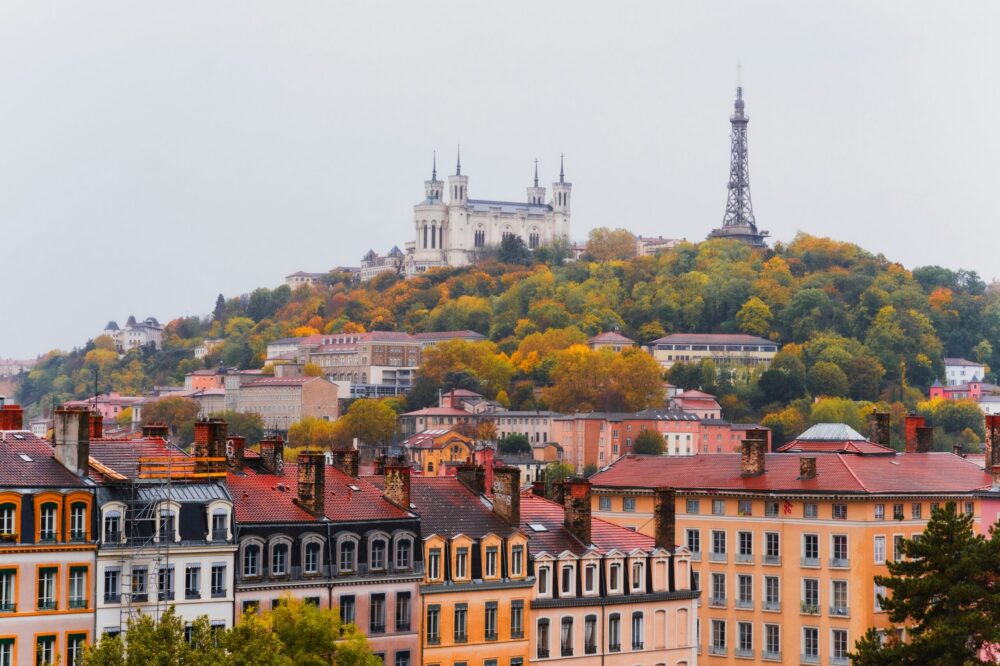
This iconic basilica dominates the Lyon skyline. The esplanade in front offers a sweeping view of the city, especially stunning at sunset. For a unique angle, climb the Tour de l’Observatoire (when open) for a 360-degree panorama. The interior’s golden mosaics are also worth photographing.
Roman Theatres of Fourvière
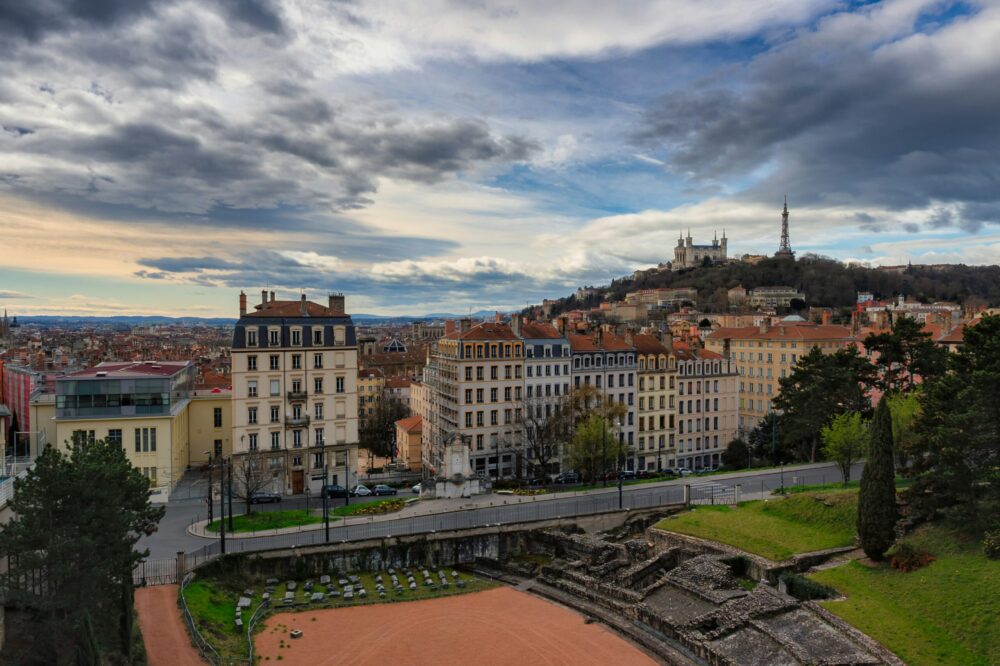
Just a short walk from the basilica, the ancient Roman theatres provide a dramatic backdrop. The larger theatre, Théâtre Romain, is especially photogenic during the golden hour when the ruins cast long shadows. Use a tripod for long exposures if you want to capture the city lights beyond.
Presqu’île: The Urban Heart
Place Bellecour and the Obelisk
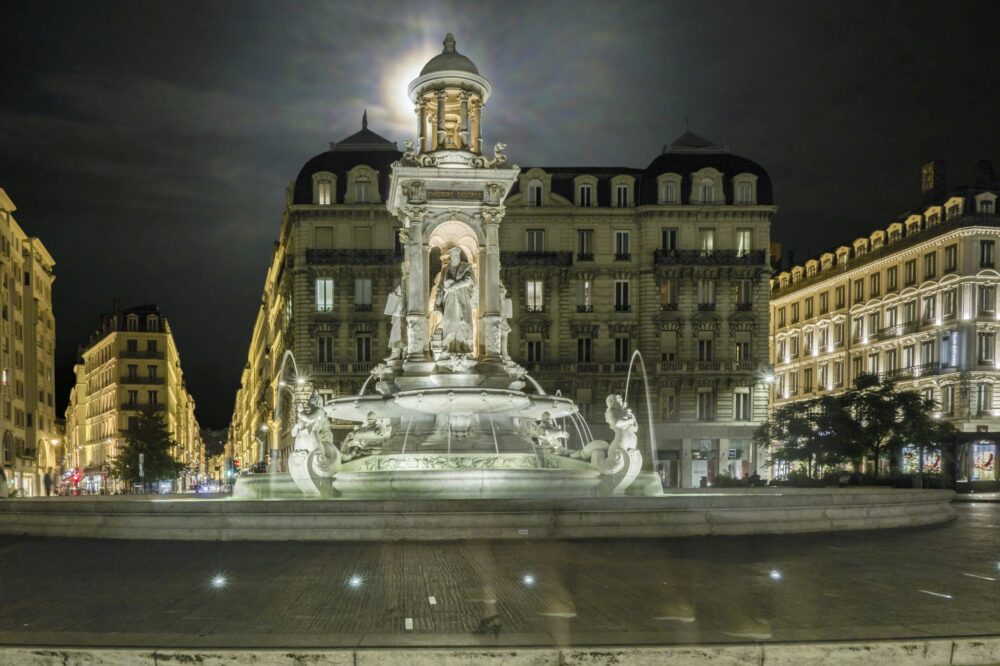
As one of Europe’s largest pedestrian squares, Place Bellecour is central for street photography and people-watching. The equestrian statue of Louis XIV and the distant basilica make great compositions. At night, the obelisk is beautifully lit. Try a low-angle shot to emphasize the statue’s scale.
Rue de la République and Art Nouveau Architecture
This bustling shopping street features elegant 19th-century buildings with wrought-iron balconies. The Galeries Lafayette’s glass dome is an architectural gem—ask permission to photograph inside. For a classic Lyon shot, frame the street with the basilica in the background.
Confluence: Modern Architecture and River Views
Musée des Confluences
This futuristic museum at the tip of the Presqu’île is a masterpiece of modern architecture. Its crystal cloud and steel structure reflect beautifully in the surrounding water. Best photographed during blue hour or at sunrise when the light is soft. Use a wide lens to capture the full form.
Docks and Quays
The newly developed Confluence district offers clean lines and minimalist backgrounds. The quays along the Saône and Rhône rivers are perfect for long exposures of the flowing water. Include the colorful reflections of passing boats for a dynamic shot.
Croix-Rousse: The Hill That Works
Boulevard de la Croix-Rousse
This vibrant boulevard offers a different perspective of Lyon. From the top, you can see the rooftops and the Alps on clear days. The morning market (except Monday) is a feast for street photographers—fresh produce, lively vendors, and authentic local life.
Traboules of Croix-Rousse

Unlike the Renaissance traboules in Vieux Lyon, those in Croix-Rousse are from the 19th century and larger. The traboule at 9 Place Colbert leads to a stunning courtyard with a spiral staircase. Use a polarizer to reduce glare from the glass roofs.
Parc de la Tête d’Or: Nature and Serenity
Lake, Greenhouse, and Rose Garden
This massive urban park is a haven for nature photographers. The central lake with its swans and rowboats is classic. The Jardin Botanique’s greenhouses are perfect for macro shots of exotic plants. The rose garden (Roseraie) blooms in June—arrive early for the best light and fewer people.
Zoo and African Plain
The free zoo inside the park is great for animal photography. The African plain area has giraffes, zebras, and rhinos. Use a telephoto lens (200mm+) to capture details without disturbing the animals. Early morning or late afternoon are best for active animals.
Practical Tips for Photographing Lyon
Best Times of Day
- Golden hour (sunrise and sunset): Soft, warm light enhances textures and colors. Fourvière and Vieux Lyon are ideal.
- Blue hour (twilight): Perfect for cityscapes with lights. Confluence and Place Bellecour shine.
- Midday: Harsh light—use for high-contrast black and white or indoor shots.
Seasonal Considerations
| Season | Pros | Cons |
|---|---|---|
| Spring | Mild weather, blooming gardens | Occasional rain |
| Summer | Long days, festivals | Crowds, harsh midday light |
| Autumn | Golden foliage, crisp light | Shorter days |
| Winter | Less crowds, misty mornings | Cold, gray skies |
Gear Recommendations
- Wide-angle lens (16-35mm): Essential for architecture and landscapes.
- Standard zoom (24-70mm): Versatile for street and general shots.
- Telephoto (70-200mm): For details, portraits, and zoo animals.
- Tripod: Crucial for long exposures and night photography.
- Polarizing filter: Reduces reflections on water and glass.
Mistakes to Avoid
- Overlooking the traboules—they are unique to Lyon.
- Only shooting from the same viewpoints—explore different angles.
- Forgetting to check opening hours for interiors (e.g., basilica, museums).
- Not respecting local privacy—avoid photographing people without permission.
Frequently Asked Questions
What is the most iconic photo spot in Lyon?
The Basilica of Notre-Dame de Fourvière from the esplanade offers the classic panoramic view of the city.
Are there any free photo locations in Lyon?
Yes, most outdoor locations including parks, squares, and traboules are free. The Parc de la Tête d’Or and Vieux Lyon require no entry fee.
When is the best time to photograph the traboules?
Late morning (10-11 AM) when sunlight streams through the glass roofs, creating beautiful light patterns.
Can I use a drone for aerial photography in Lyon?
Drone use is heavily restricted in urban areas. You need special authorization from the French civil aviation authority. Avoid flying without permission.
Where can I find the best sunset shots?
Fourvière Hill, especially from the Roman theatres or the basilica esplanade, offers unbeatable sunset views over the city.
What are some hidden gems for photographers?
The traboule at 27 Rue du Bœuf, the Jardin des Curiosités (a small park with a unique perspective), and the murals like Fresque des Lyonnais are less crowded but highly photogenic.
Final Checklist for Your Lyon Photo Trip
- Check weather forecast and plan golden hour shoots.
- Download a map of traboules (available online or at tourist office).
- Pack a tripod for night shots.
- Arrive early to iconic spots to avoid crowds.
- Respect photography rules in churches and museums.
- Experiment with different perspectives—climb stairs, use reflections.
- Bring extra batteries and memory cards.
Lyon is a city that rewards patience and curiosity. By visiting these best photo locations in Lyon, you’ll return with images that capture its unique charm. Whether you’re drawn to ancient ruins, Renaissance passages, or modern architecture, this city offers a diverse palette for any photographer. Happy shooting!
Photo by Snap Wander on Unsplash
What time of day is best for photographing the Musée des Confluences? I want to avoid harsh shadows.
Early morning or late afternoon (golden hour) is ideal. The museum’s reflective surfaces catch beautiful light. Blue hour just after sunset also works well, especially with the lights on. Avoid midday in summer when the sun is directly overhead.
I’m concerned about crowds at the Roman theatres. Is it possible to get a shot without people in the frame?
Weekday mornings are best, especially right after opening. The theatres are less crowded then. Use a long exposure with a neutral density filter to blur any moving people if necessary. Alternatively, shoot from a high angle to exclude the ground where most visitors stand.
I’m an amateur photographer with just a smartphone. Will I still get good results at these locations?
Absolutely! Many of these spots are very photogenic even with a smartphone. For Place Bellecour and the Basilica viewpoint, use HDR mode for balanced exposures. In traboules, try the ultra-wide lens if your phone has one, or use panorama mode to capture the full height.
Is the Basilica of Notre-Dame de Fourvière open for interior photography? I’ve heard some churches restrict it.
Yes, interior photography is generally allowed without flash. However, be respectful during services. The golden mosaics are stunning, but avoid using tripods inside to not disturb other visitors.
Great guide! I’m planning a trip to Lyon next spring. For the traboules, are there any specific ones that are less crowded but still worth visiting?
Thank you! For less crowded traboules, try the one at 10 Rue des Trois Maries or the Cour des Voraces in the Croix-Rousse district. They offer beautiful spiral staircases and are usually quieter than the popular ones in Vieux Lyon.
Thanks for the tips! Do you know if there are any photography tours or workshops in Lyon that focus on these spots?
Yes, there are several local photography tours. Check out ‘Lyon Photo Tours’ or ‘Lyon City Photographer’ for guided walks covering iconic locations. They often provide tips on composition and timing. You can also find free walking tours that include photo stops.
What lens would you recommend for shooting the traboules? I have a 24-70mm and a 16-35mm.
The 16-35mm wide-angle lens is perfect for traboules, as it allows you to capture the full height of spiral staircases and courtyards. The 24-70mm can work for details, but the wide end will give you more dramatic perspectives in tight spaces.