
Table des matières:
Why Lyon’s Neighborhoods Deserve Your Attention
Lyon is a city of distinct personalities. Each neighborhood offers a different vibe, from Renaissance streets to futuristic waterfronts. If you’re wondering what are the best neighborhoods to explore in Lyon, the answer depends on whether you want history, food, nightlife, or culture. This guide breaks down the top districts so you can plan your visit like a local.
Vieux Lyon: A Step Back in Time
Vieux Lyon is one of Europe’s largest Renaissance quarters and a UNESCO World Heritage site. Its narrow cobblestone streets, traboules (hidden passageways), and Gothic churches make it a must-see.
What to See in Vieux Lyon
- Saint-Jean Cathedral: A stunning mix of Romanesque and Gothic architecture.
- Traboules: Explore secret corridors that once transported silk. Look for the ones at 27 Rue du Bœuf and 54 Rue Saint-Jean.
- Place du Change: A lively square with cafes and the historic Exchange Temple.
Pro tip: Visit early morning or late evening to avoid crowds. The neighborhood is also packed with bouchons (traditional Lyonnais restaurants) where you can try andouillette and quenelles.
Presqu’île: The Heart of the City
Between the Rhône and Saône rivers, Presqu’île is Lyon’s commercial and cultural core. It’s home to grand squares, luxury boutiques, and the iconic Opéra Nouvel.
Highlights of Presqu’île
- Place Bellecour: One of Europe’s largest pedestrian squares, with a statue of Louis XIV.
- Rue de la République: Main shopping street with department stores and cafes.
- Opéra Nouvel: A modern glass dome atop a 19th-century opera house.
For food lovers, head to Halles de Lyon Paul Bocuse, an indoor market with top-tier cheese, charcuterie, and wine. It’s a short walk from the square.
Croix-Rousse: The Hill That Works
Known as the “hill that works” (opposite Fourvière’s “hill that prays”), Croix-Rousse was the silk-weaving center of Lyon. Today it’s a bohemian district with artisan shops, street art, and a vibrant local market.
Why Croix-Rousse Stands Out
- Boulevard de la Croix-Rousse: A long promenade with stunning views of the Alps on clear days.
- Maison des Canuts: A museum dedicated to silk weaving, with live demonstrations.
- Cour des Voraces: A famous traboule with a monumental staircase.
Don’t miss the Croix-Rousse market on Boulevard de la Croix-Rousse (Tuesday to Sunday mornings). It’s a feast for the senses: colorful produce, fresh bread, and local honey.
Fourvière: The Hill That Prays
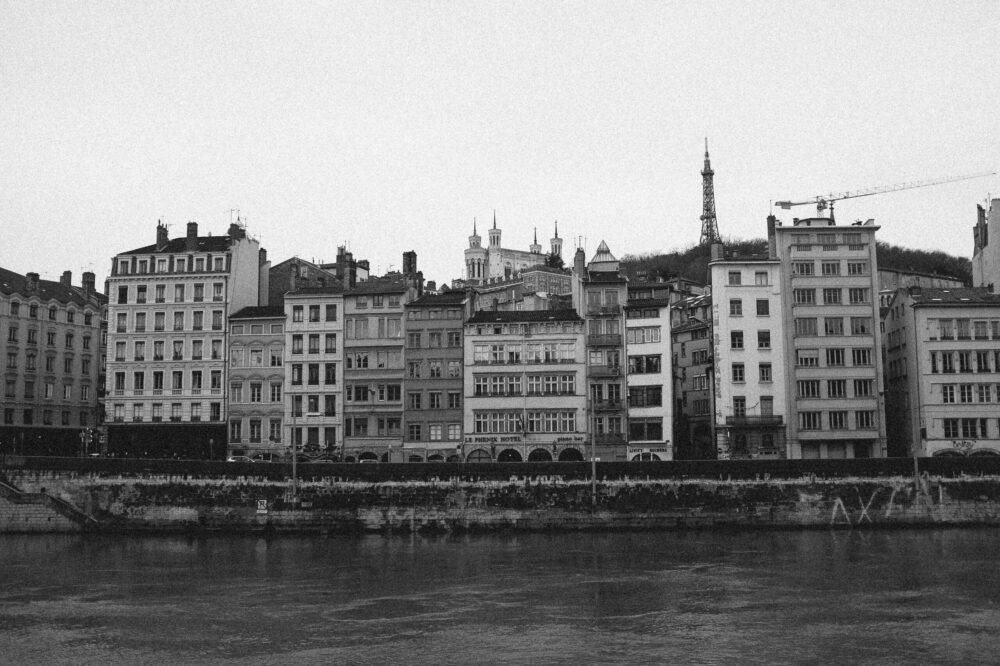
Fourvière is the historic and religious heart of Lyon. The Basilica of Notre-Dame de Fourvière dominates the skyline, and the hill offers panoramic views.
Top Attractions on Fourvière
- Basilica of Notre-Dame de Fourvière: Ornate interior with mosaics and a crypt.
- Roman Theatres: Two ancient Roman theatres that host summer concerts.
- Jardin du Rosaire: A terraced garden with rose bushes and a view of the city.
Take the funicular from Vieux Lyon to save your legs. The Tour Métallique (a mini Eiffel Tower) is nearby but not open to the public.
Confluence: The City’s Modern Face
At the southern tip of Presqu’île, Confluence is a former industrial area transformed into a futuristic eco-district. It features contemporary architecture, a shopping center, and the Musée des Confluences.
What to Do in Confluence
- Musée des Confluences: A striking glass-and-steel museum of science and anthropology.
- Docks 40: A complex of restaurants, cinemas, and shops along the Saône.
- Parc de la Confluence: A green space with playgrounds and river views.
This area is perfect for modern architecture enthusiasts. The mix of old and new shows Lyon’s evolution—one reason why people ask what are the best neighborhoods to explore in Lyon for a contemporary vibe.
Bellecour & Ainay: Elegant and Central
South of Place Bellecour, Ainay is a quiet residential area with 19th-century buildings and the Basilica of Saint-Martin d’Ainay. It’s less touristy but full of charm.
Why Visit Ainay
- Basilica Saint-Martin d’Ainay: One of Lyon’s oldest churches (11th century).
- Rue de la Charité: A street with antique shops and art galleries.
- Jardin des Chartreux: A hidden garden with a view of the Saône.
This neighborhood is ideal for a relaxed stroll away from the crowds. It’s also close to the Musée des Beaux-Arts, which houses a vast collection from Monet to Picasso.
La Guillotière: Multicultural Energy
On the left bank of the Rhône, Guillotière is a diverse and lively district. It’s known for its Asian and North African markets, street art, and affordable eats.


Guillotière’s Unique Appeal
- Rue de Marseille: The main artery with ethnic restaurants and grocery stores.
- Place Gabriel Péri: A bustling square with a daily market.
- Street Art: Look for murals on Rue de la Thibaudière and Rue des Rancy.
This area is great for budget travelers and foodies. Try a banh mi from a Vietnamese bakery or couscous from a North African stall.
Brotteaux: Bourgeois Elegance
North of Guillotière, Brotteaux is a 19th-century district with wide boulevards, luxury apartments, and the Préfecture building. It’s quieter and more upscale.
Brotteaux Highlights
- Parc de la Tête d’Or: Lyon’s largest park, with a lake, zoo, and botanical garden.
- Gare des Brotteaux: A former train station turned event space.
- Rue de Bonnel: A street with independent boutiques and cafes.
The park is perfect for a picnic or boat ride. Brotteaux also has some of the city’s best Michelin-starred restaurants, like Au 14 Février.
Vaise: Up-and-Coming
Northwest of the city center, Vaise is an industrial area undergoing regeneration. It has a growing arts scene and the Musée des Confluences’s older sibling, the Centre d’Histoire de la Résistance et de la Déportation.
Vaise’s Attractions
- Centre d’Histoire de la Résistance: A museum about WWII resistance.
- Parc de la Visitation: A quiet garden with a view of Fourvière.
- Les Subsistances: A cultural center with performances and exhibitions.
Vaise is less touristy, so you’ll find more authentic local spots. It’s also a good base for visiting the nearby Roman aqueducts.
How to Choose the Right Neighborhood for You
With so many options, deciding what are the best neighborhoods to explore in Lyon depends on your interests. Here’s a quick checklist:
| Interest | Neighborhood | Why |
|---|---|---|
| History & architecture | Vieux Lyon, Fourvière | Renaissance streets, Roman theatres |
| Food & markets | Presqu’île, Croix-Rousse | Halles de Lyon, bouchons, local market |
| Nightlife & shopping | Presqu’île, Guillotière | Bars, clubs, boutiques |
| Modern architecture | Confluence | Futuristic buildings, museum |
| Local, off-the-beaten-path | Croix-Rousse, Vaise | Artisans, street art, quiet parks |
Common Mistakes to Avoid When Exploring Lyon’s Neighborhoods
- Sticking only to Vieux Lyon: While beautiful, it gets crowded. Explore beyond for a fuller experience.
- Missing the traboules: Many are hidden; use a map or join a guided tour.
- Ignoring the hills: Croix-Rousse and Fourvière offer amazing views—wear comfortable shoes.
- Not trying local specialties: Each district has its own food culture. Don’t leave without tasting praline tart or cervelle de canut.
Practical Tips for Neighborhood Hopping
- Use public transport: Lyon’s metro, tram, and funicular are efficient. A day pass costs about €6.50.
- Walk when possible: Many neighborhoods are close. Walking between Presqu’île and Croix-Rousse takes 20 minutes.
- Visit markets early: The best produce and shortest lines are in the morning.
- Stay in a central neighborhood: Presqu’île or Vieux Lyon are convenient bases.
Frequently Asked Questions
What is the most beautiful neighborhood in Lyon?
Vieux Lyon is often considered the most beautiful due to its Renaissance architecture and traboules. Fourvière also offers stunning views.
Which neighborhood is best for food in Lyon?
Presqu’île (especially Halles de Lyon) and Croix-Rousse (for markets) are top choices. Vieux Lyon has many bouchons.
Is Lyon safe at night?
Yes, most neighborhoods are safe, but like any city, stay aware in less crowded areas. Guillotière can be lively but watchful.
What is the best area to stay in Lyon for first-time visitors?
Presqu’île or Vieux Lyon are ideal for easy access to main attractions. Croix-Rousse offers a more local feel.
How many days do you need to explore Lyon’s neighborhoods?
At least 3 days to cover the main districts without rushing. A week allows for deeper exploration.
What is the best way to get around Lyon?
The metro and bus system is excellent. Consider a Lyon City Card for free transport and museum entry.
Your Lyon Neighborhood Adventure Awaits
Now you know what are the best neighborhoods to explore in Lyon. Whether you’re drawn to the Renaissance alleys of Vieux Lyon, the bustling markets of Croix-Rousse, or the modern Confluence, each district offers a unique slice of Lyonnais life. Plan your itinerary around your interests, wear comfortable shoes, and don’t forget to taste the local cuisine. Your perfect Lyon experience is just a neighborhood away.
Photo by Andrew Taylor on Pexels
This is super helpful! I’m debating between staying in Presqu’île or Croix-Rousse. Which is more convenient for public transport?
Both are well-connected. Presqu’île is central with metro lines A and D, plus many bus routes. Croix-Rousse is served by metro line C and the funicular from Vieux Lyon. Presqu’île might be slightly more convenient for first-time visitors due to its central location.
The Roman theatres in Fourvière sound amazing. Are they open year-round?
Yes, the Roman theatres (Théâtre Romain and Odéon) are open year-round, but hours vary by season. In summer, they host concerts and events. Check the official website for current opening times. The view from the site is spectacular too.
I’m a foodie and want to try bouchons. Are there any you recommend in Vieux Lyon?
Absolutely! In Vieux Lyon, try Le Musée or Café des Fédérations for authentic bouchons. They serve traditional Lyonnais dishes like quenelles and andouillette. Reservations are recommended, especially for dinner.
Is the Croix-Rousse market open on Sundays? I’d love to check it out.
Yes, the Croix-Rousse market runs Tuesday to Sunday mornings, so Sunday is included. It’s a vibrant market with local produce and specialties. Arrive early for the best selection!
Great guide! I’m planning a trip to Lyon and was wondering which neighborhood is best for first-time visitors who want to see the most historic sites.
Thanks! For first-timers, Vieux Lyon is a must for its Renaissance charm and traboules. Combine it with a visit to Fourvière (take the funicular) and you’ll cover the historic highlights. Presqu’île is also great for shopping and dining.
How accessible are the traboules for someone with mobility issues? Are they all narrow and steep?
Many traboules have narrow staircases and uneven cobblestones, so they can be challenging. However, some are ground-level, like the one at 54 Rue Saint-Jean. The Maison des Canuts in Croix-Rousse has a lift. Check individual accessibility before visiting.