
Table des matières:
Istanbul’s Street Food Treasure: Midye Dolma
If there’s one snack that defines Istanbul’s bustling street food scene, it’s midye dolma—fresh mussels stuffed with herbed rice, drizzled with lemon, and often enjoyed with a side of garlicky yogurt or a cold beer. But finding the best midye dolma in Istanbul isn’t just about stumbling upon the nearest vendor. The quality varies wildly: some serve plump, juicy mussels with perfectly seasoned rice, while others offer bland, overcooked versions. This guide cuts through the noise, revealing where locals go for the most memorable midye dolma experience.
What Makes Midye Dolma Exceptional?
Before diving into the best spots, it helps to know what separates a good midye dolma from a great one. Here’s what to look for:
- Freshness: The mussels should be alive when stuffed—open shells or a fishy smell are red flags.
- Rice filling: Well-seasoned with cinnamon, allspice, black pepper, and pine nuts; not too dry or mushy.
- Size and plumpness: The mussel meat should be large and juicy, not tiny or shriveled.
- Lemon and presentation: A generous squeeze of fresh lemon enhances the flavor. Vendors who skimp on lemon often hide inferior taste.
- Hygiene: Clean hands, gloves, or utensils; mussels stored on ice; a tidy stall.
Top Neighborhoods for Midye Dolma in Istanbul
Certain areas have earned a reputation for outstanding midye dolma. Here’s where to focus your search.
Kadıköy: The Asian Side’s Street Food Epicenter
On the Asian shore, Kadıköy is a must-visit for food lovers. The area around the ferry terminal and the fish market buzzes with vendors. Look for the long queues—they’re a reliable indicator of quality. One legendary spot is Midyeci Ahmet, a tiny stall that has been serving impeccable midye dolma for decades. Their rice is fragrant, the mussels are plump, and they serve it with a tangy garlic sauce that locals crave. Another favorite is Midyeci Bülent, known for its generous portions and quick service.
Beşiktaş: Where Tradition Meets Hustle
Beşiktaş is another hub, especially near the waterfront and the Çarşı (market). The vendors here cater to a mix of students, office workers, and tourists. Midyeci Selim is a household name; his stall near the ferry port is always busy. His secret? A hint of lemon zest in the rice and a commitment to using only the freshest catch. For a slightly different take, try Midyeci Cemal, who adds a touch of chili flakes for heat.
Karaköy: A Modern Twist on a Classic
Karaköy has transformed into a hip neighborhood with trendy cafes and restaurants, but its street food roots remain strong. Near the Galata Bridge, you’ll find vendors selling midye dolma alongside grilled fish sandwiches. Karaköy Midyecisi stands out for its ultra-clean setup and willingness to open mussels on demand. Their rice is subtly spiced, allowing the mussel’s natural sweetness to shine. Pair it with a glass of rakı from a nearby meyhane for the full experience.
Eminönü: The Historic Heart of Seafood
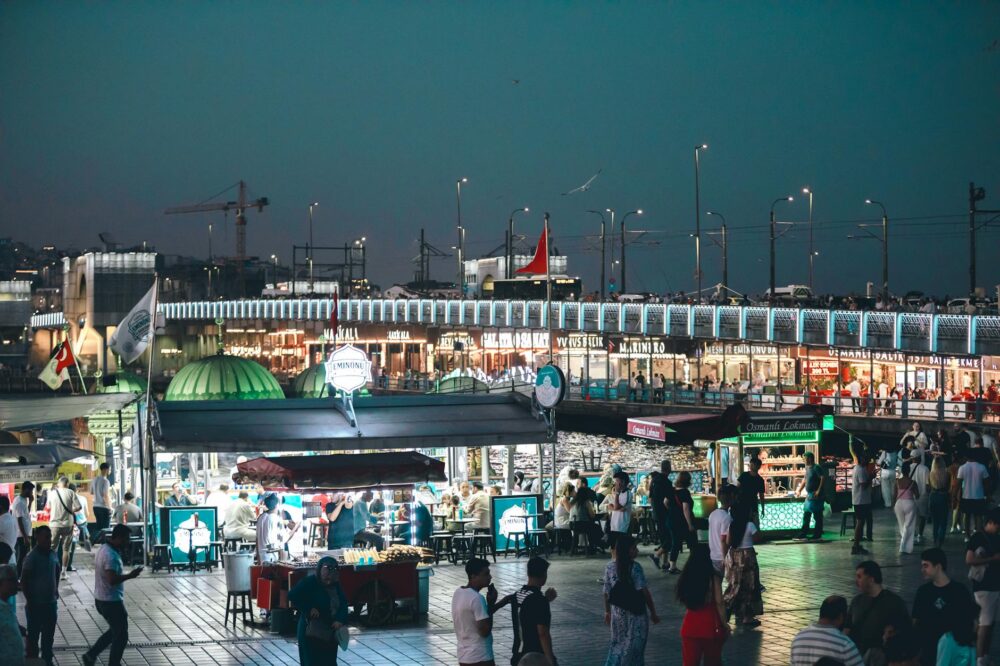
Eminönü, near the Spice Bazaar and the Galata Bridge, is a sensory overload of sights, sounds, and smells. Midye dolma vendors line the streets, but quality varies. Eminönü Midyeci (often just called “the one with the yellow sign”) is a reliable choice. They’ve been operating for over 30 years, and their consistency is remarkable. Ask for a squeeze of extra lemon and a dash of salt—they’ll oblige.
How to Eat Midye Dolma Like a Local
Eating midye dolma isn’t just about the taste; it’s a ritual. Here’s a step-by-step guide:
- Inspect the mussel: Check that the shell is tightly closed. If it’s open, give it a gentle tap—if it doesn’t close, skip it.
- Squeeze lemon: Drizzle fresh lemon juice over the rice and mussel. Some vendors offer lemon wedges; use them generously.
- Open and eat: Hold the mussel with the hinge facing you. Use your thumb and forefinger to pry open the shell. Scoop out the rice and mussel together—don’t separate them.
- Discard the shell: Place empty shells in the designated bin or bag. Most vendors provide a small plastic bag for this purpose.
- Pace yourself: Midye dolma is typically sold by the piece. Start with 5-6 to see if you like the vendor’s style, then order more if desired.
Common Mistakes to Avoid When Choosing Midye Dolma
Even seasoned visitors can fall into traps. Avoid these pitfalls:
- Buying from a vendor with no queue: Popular stalls have lines for a reason. If a vendor is empty, there’s usually a quality issue.
- Ignoring the rice color: Pale, sticky rice indicates under-seasoning. Look for a golden or slightly brown tint from spices.
- Not checking the mussel size: Small mussels often mean they were harvested too early or are from a less reputable source. Larger mussels typically have better flavor.
- Skipping the garlic sauce: Many vendors offer a yogurt-garlic dip (sarımsaklı yoğurt). It’s not traditional everywhere, but when available, it elevates the dish.
Midye Dolma vs. Other Stuffed Mussels: What’s the Difference?
You might encounter similar dishes in Greek or Italian cuisine, but Istanbul’s midye dolma is unique. Unlike Greek stuffed mussels (which often use tomato-based rice), Turkish midye dolma relies on a blend of aromatic spices like cinnamon, allspice, and black pepper. The rice is also typically lighter and fluffier. In Italy, stuffed mussels (cozze ripiene) are breaded and baked—a completely different preparation. Istanbul’s version is all about the fresh, briny taste of the sea, enhanced by subtle spices.


When to Eat Midye Dolma: Best Times and Seasons
Midye dolma is available year-round, but the best season is from September to April when mussels are at their plumpest and the weather is cooler. Summer mussels can be smaller and less flavorful. As for time of day, midye dolma is typically an evening snack—many vendors set up around 5 PM and stay open until midnight. Late-night crowds after a few drinks are common, so the vendors are often at their busiest (and freshest) around 8-10 PM.
Beyond the Stalls: Restaurants Serving Midye Dolma
If you prefer a sit-down experience, several restaurants offer midye dolma as a starter or main. Meyhane (Turkish taverns) often include it on their meze menu. Notable options:
- Çiya Sofrası (Kadıköy): Known for its Anatolian cuisine, their midye dolma is herb-forward and served with a side of pickled vegetables.
- Kanaat Lokantası (Üsküdar): A historic restaurant that serves midye dolma as part of a traditional Turkish breakfast spread—unusual but delicious.
- Mikla (Beyoğlu): A fine-dining twist on midye dolma, using saffron rice and a foam of lemon. Pricey but innovative.
Midye Dolma Safety: What to Watch For
Street food safety is a valid concern. To minimize risk:
- Choose vendors with high turnover: Fast-moving stalls ensure freshness.
- Watch the handling: Vendors should use gloves or utensils. Avoid those who handle money and food with the same hands.
- Look for ice: Mussels should be stored on ice or in a refrigerated display.
- Trust your nose: Fresh mussels smell like the sea, not fishy or ammonia-like.
Frequently Asked Questions About Midye Dolma in Istanbul
How many midye dolma should I order?
Most people eat 6-10 as a snack. If you’re making it a meal, 15-20 is common. Vendors sell by the piece, so you can start small and order more.
Is midye dolma safe for pregnant women?
Pregnant women should avoid raw or undercooked seafood. Since midye dolma is cooked (the mussels are steamed with the rice), it’s generally safe, but consult your doctor. Stick to reputable vendors with high turnover.
Can I find vegetarian midye dolma?
No—midye dolma by definition contains mussels. However, some vendors offer dolma made with only rice and spices (without mussels), but that’s rare. Look for “zeytinyağlı dolma” (stuffed vegetables) as a vegetarian alternative.
What’s the average price per piece?
As of 2025, prices range from 10 to 25 Turkish Lira per piece, depending on location and quality. Tourist-heavy areas like Eminönü may charge more, while Kadıköy and Beşiktaş offer better value.
Do vendors accept credit cards?
Most street vendors prefer cash. Some larger stalls or those near tourist attractions may accept cards, but it’s safer to carry small bills. ATMs are widely available.
What’s the best drink to pair with midye dolma?
A cold beer (Efes is the local favorite) or a glass of rakı (anise-flavored spirit) is classic. For non-alcoholic options, ayran (salty yogurt drink) or şalgam (fermented turnip juice) complement the flavors well.
Final Thoughts: Your Midye Dolma Journey Awaits
Finding the best midye dolma in Istanbul is a delicious adventure. Whether you’re exploring the bustling streets of Kadıköy, the historic alleys of Eminönü, or the trendy corners of Karaköy, each vendor offers a unique take on this beloved snack. Remember to prioritize freshness, follow local eating customs, and trust the queues. Your taste buds will thank you. Now go—grab a lemon, open a shell, and savor one of Istanbul’s greatest street food treasures.
Photo by solomonikvik on Pixabay

Great guide! I’m planning a trip to Istanbul and love street food. For a first-timer, which neighborhood would you recommend as the best starting point for trying midye dolma?
Thanks! For a first-timer, Kadıköy on the Asian side is an excellent starting point. The area around the ferry terminal has several top-notch vendors like Midyeci Ahmet, and the queues are a good sign of quality. Plus, you can explore the fish market and other street foods nearby. Enjoy!