
Last updated on May 3rd, 2026 at 10:40 pm
Table des matières:
Escape the Rain: Florence’s Most Inviting Libraries
Florence is a city of open-air museums, but when the skies open, its libraries offer a different kind of treasure. Whether you’re a scholar, a casual reader, or a traveler seeking refuge, the best libraries in Florence for a rainy day combine historic grandeur, quiet study spaces, and cultural depth. This guide takes you beyond the tourist trail to places where you can spend hours immersed in books, art, and architecture while the rain patters against centuries-old windows.
Why Libraries Are the Perfect Rainy-Day Activity in Florence
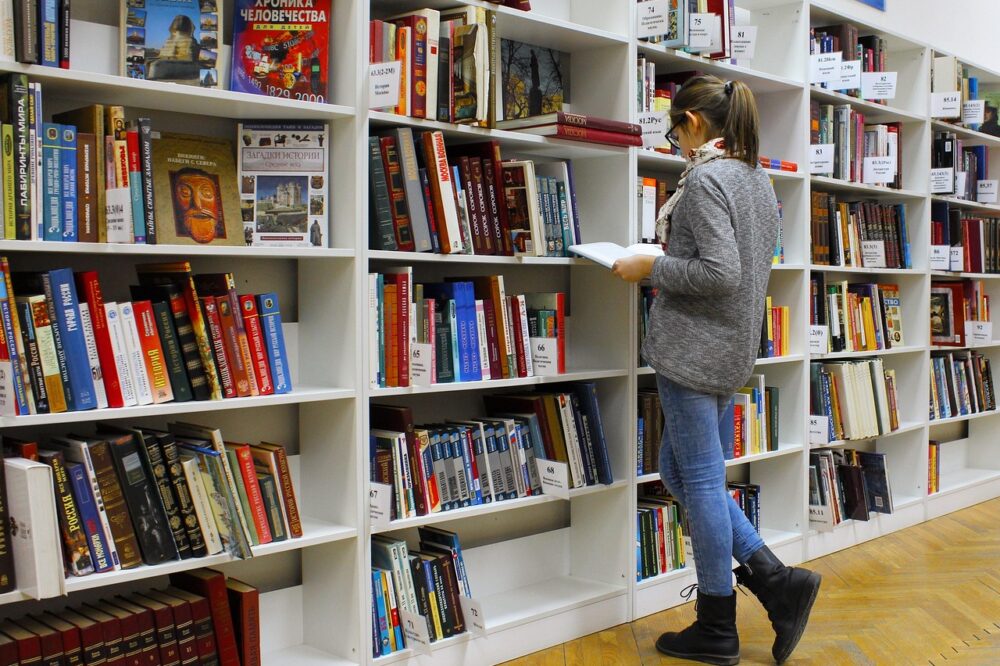
Florence’s libraries are not just book repositories; they are architectural masterpieces, often housed in former palaces, monasteries, or civic buildings. They offer free or low-cost access to rare manuscripts, art collections, and peaceful reading rooms. On a rainy day, they provide a dry, quiet, and intellectually stimulating environment—ideal for a few hours of exploration or focused work. Plus, many are located near major attractions, making them easy to weave into your itinerary.
The Top Libraries in Florence for a Rainy Day
Biblioteca Nazionale Centrale di Firenze (BNCF)
As one of Italy’s most important national libraries, the BNCF is a must for serious researchers and history buffs. Housed in a monumental building near Santa Croce, its vast collections include over 6 million volumes, incunabula, and manuscripts. The main reading room is a grand, light-filled space with high ceilings and long wooden tables—perfect for a rainy afternoon of deep reading. Visitors can access the catalog online and request materials for on-site consultation. While entry is free, you’ll need a reader’s card for document access (bring a passport-sized photo). The library also hosts temporary exhibitions in its halls.
Biblioteca Medicea Laurenziana
Designed by Michelangelo, this Renaissance masterpiece is a library first and an architectural wonder second. The reading room, with its exquisite wooden benches and carved ceiling, feels like a sanctuary. The collection focuses on classical texts and manuscripts, including the famous Codex Amiatinus. Entry is ticketed (around €6), but it’s worth it for the sheer beauty of the space. On a rainy day, you can admire the harmonious proportions and imagine scholars centuries ago working by natural light. The library is located next to the Basilica of San Lorenzo, so you can combine visits.
Biblioteca delle Oblate
For a more modern, community-oriented vibe, head to the Oblate Library near the Duomo. Housed in a former convent, it offers free Wi-Fi, a café, and a stunning terrace with views of the cathedral dome (though you’ll likely skip the terrace in rain). The interior features contemporary reading areas, a children’s section, and a quiet study room. It’s a favorite among locals and students, making it a great spot to experience everyday Florentine life. The library also has a small exhibition space and a bookshop.
Biblioteca Marucelliana
Located on Via Cavour, this historic library is less crowded than the larger institutions. Founded in the 18th century, it holds a rich collection of rare books, prints, and drawings. The reading room is intimate and elegant, with frescoed ceilings and wooden shelves. It’s an ideal place for focused research or quiet contemplation. Access is free, and you can browse the catalog online. The library often hosts small exhibitions of its treasures.
Biblioteca di Scienze Sociali (University of Florence)
If you’re near the University area, this modern library offers a stark contrast to the historic ones. With ample seating, natural light, and a calm atmosphere, it’s perfect for digital work or casual reading. It’s open to the public, and you’ll find many students studying in silence. The library has a good selection of current periodicals and reference works. It’s a practical choice for a rainy afternoon when you need to catch up on emails or read in comfort.
How to Choose the Right Library for Your Needs
Not all libraries are created equal for a rainy-day visit. Here’s a quick comparison to help you decide:
| Library | Best For | Entry Fee | Wi-Fi | Quiet Level |
|---|---|---|---|---|
| BNCF | Research, rare books | Free (card required) | Limited | Very quiet |
| Laurenziana | Architecture, history | €6 | No | Quiet |
| Oblate | Casual reading, café | Free | Yes | Moderate |
| Marucelliana | Rare prints, quiet study | Free | No | Very quiet |
| University Social Sciences | Digital work, contemporary | Free | Yes | Quiet |
What to Expect: Practical Tips for Visiting
Before you dash through the rain to a library, keep these practical points in mind:
- Check opening hours: Many libraries close for lunch (12:30–14:00) and are closed on Sundays. Always verify online.
- Bring ID: Some libraries require a passport or ID for access, especially for reading room entry.
- Leave large bags in lockers: Most libraries have free lockers for backpacks and umbrellas.
- Silence your phone: Reading rooms are strictly quiet zones. Use the library’s designated phone areas.
- No food or drink: Except for water in some libraries. The Oblate’s café is an exception.
- Dress warmly: Historic libraries can be chilly, even in summer. In winter, bring a sweater.
Hidden Gems: Lesser-Known Libraries Worth Seeking Out
If you’ve visited the major ones, consider these off-the-beaten-path options:
Biblioteca Berenson at Villa I Tatti
Located in the hills of Settignano, this research library dedicated to Italian Renaissance art is a bit of a trek but rewards with a stunning setting. It’s open to scholars by appointment, but the gardens are sometimes accessible. Not ideal for a quick rainy-day stop, but a dream for art historians.
Biblioteca di Storia dell’Arte (Kunsthistorisches Institut)
Part of the Max Planck Society, this specialized art history library is housed in a historic palazzo near the Boboli Gardens. Its reading room is elegant and quiet, with a focus on European art. Access is free for reference use; bring a letter of introduction if you plan to do extensive research.
Biblioteca del Museo Galileo
For science enthusiasts, this library inside the Museo Galileo offers a collection of scientific works from the Renaissance to the present. The museum itself is a great rainy-day activity, and the library adds another layer of discovery. Entry to the library is free with museum admission.
What to Do in a Library Besides Read
Libraries in Florence often double as cultural centers. Check their event calendars for:
- Temporary exhibitions: Many libraries display rare books, manuscripts, or art.
- Lectures and workshops: Some host talks in Italian or English.
- Guided tours: The Laurenziana offers guided visits of Michelangelo’s architecture.
- Children’s programs: The Oblate Library has a dedicated children’s area with storytelling sessions.
How to Make the Most of a Rainy Day in Florence with Libraries
A well-planned library crawl can turn a dreary day into a highlight. Here’s a suggested itinerary:
- Morning: Start at the Oblate Library for a coffee and light reading. Enjoy the view of the Duomo from the terrace (if rain stops).
- Late morning: Walk to the Laurenziana and marvel at Michelangelo’s design. Spend an hour in the reading room.
- Lunch: Grab a panino at a nearby trattoria.
- Afternoon: Head to the BNCF for a deep dive into rare books or simply soak up the grand atmosphere.
- Late afternoon: End at the Marucelliana for a quiet hour before it closes.
This route covers three distinct libraries within walking distance of each other, all offering different experiences.
Frequently Asked Questions About Libraries in Florence on a Rainy Day
Can tourists enter Florence’s libraries without a library card?
Yes, most libraries allow visitors to enter and use the reading rooms for free. However, to borrow books or access certain collections, you may need a reader’s card (usually free with ID).
Are the libraries in Florence open on Sundays?
Generally, no. Most public libraries are closed on Sundays. The BNCF is closed on Sundays, and the Oblate is closed on Sundays and Mondays. Always check online before visiting.
Do Florence libraries have Wi-Fi?
Some do. The Oblate Library and the University libraries offer free Wi-Fi. Historic libraries like the Laurenziana and Marucelliana typically do not.
Which library in Florence is best for studying?
For quiet study, the BNCF and Marucelliana are excellent. The University Social Sciences library is also good if you need Wi-Fi and modern amenities.
Is there a library in Florence with a café?
Yes, the Oblate Library has a café on the ground floor that serves coffee, pastries, and light meals. It’s a popular spot for students and remote workers.
Can I take photos inside Florence’s libraries?
Photography is usually allowed in public areas, but flash is prohibited. In reading rooms, ask permission first. Some libraries restrict photography of rare materials.
Rainy Day Reads: Books to Borrow or Buy
If you want to immerse yourself in Florentine culture, consider picking up a book about the city. Many libraries have small bookshops or offer copies for reference. Look for:
- “The Birth of Venus” by Sarah Dunant – a historical novel set in Renaissance Florence.
- “Brunelleschi’s Dome” by Ross King – the story of the Duomo’s construction.
- “A Room with a View” by E.M. Forster – a classic set in Florence.
- “Florence: A Delicate Case” by David Leavitt – a modern exploration of the city.
These are often available in English in library collections or local bookstores.
Final Thoughts: Embrace the Rain with a Good Book and a Grand Setting
Rain in Florence doesn’t have to mean dreary hours in a hotel room. The best libraries in Florence for a rainy day offer a unique blend of culture, history, and tranquility. Whether you’re marveling at Michelangelo’s reading room at the Laurenziana, browsing rare manuscripts at the BNCF, or sipping a cappuccino at the Oblate, you’ll find that a rainy day is the perfect excuse to slow down and discover Florence’s literary soul. So grab your umbrella, pick a library (or two), and let the rain be your invitation to explore.
I’m planning a trip to Florence and this is perfect timing. Are any of these libraries free to enter without a reader’s card? I just want to look around, not necessarily do research.
Great question! The Biblioteca Nazionale Centrale is free to enter for the main halls and exhibitions, but you’ll need a reader’s card to access the reading rooms or request materials. The Biblioteca delle Oblate is free and open to everyone without any card. For the Medicea Laurenziana, entry is ticketed (around €6) even just to admire the architecture. So if you just want to pop in, Oblate is your best bet.
Thanks for the guide! I’d add that the Biblioteca Marucelli has a lovely courtyard garden that’s sheltered from the rain. It’s a peaceful spot to sit and read even when it’s drizzling.
That’s a great tip! The courtyard at Marucelli is indeed a hidden gem, and it’s covered enough to stay dry in light rain. Perfect for a quiet break between chapters.
Do the libraries have any restrictions on photography? I’d love to take some photos of the interiors, especially the Laurenziana.
Photography policies vary. At the Biblioteca Medicea Laurenziana, photography for personal use is usually allowed without flash, but it’s best to confirm at the ticket desk. The BNCF and Oblate generally permit non-flash photography in public areas. Marucelli is more restrictive—check with staff. Always be respectful of other readers and avoid using tripods or selfie sticks.
This is such a helpful article! I love that you included the Oblate Library with its café and free Wi-Fi. Perfect for a digital nomad like me on a rainy day.
Glad you found it useful! The Oblate Library is indeed a favorite among remote workers. The café has good coffee and pastries, and the Wi-Fi is reliable. Just note that the quiet study areas are separate, so you can choose your vibe. Enjoy your rainy day in Florence!