
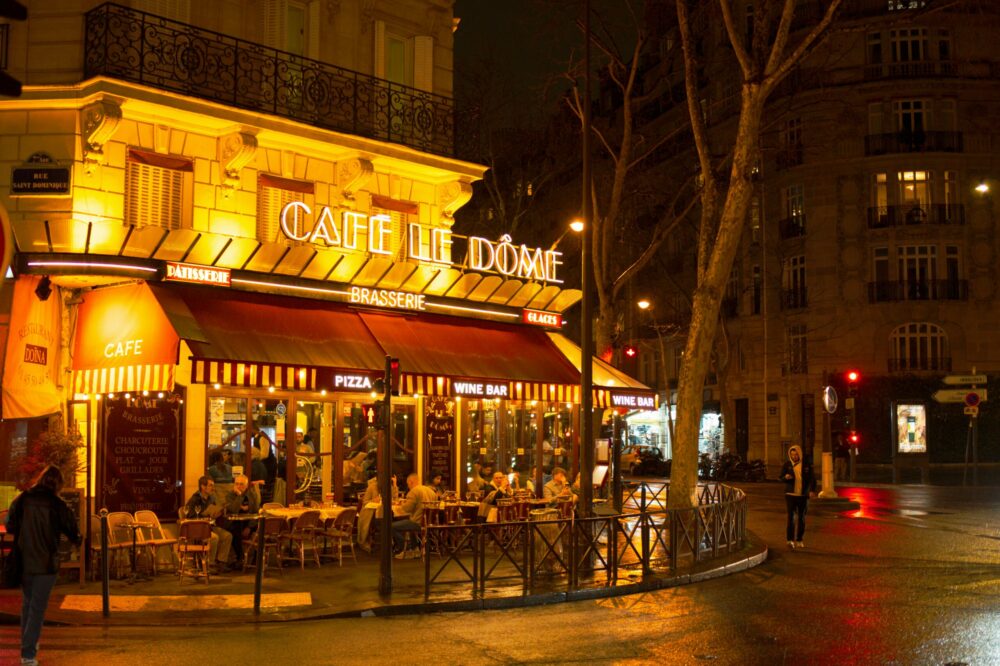
Paris is a city of light, but even the City of Light has its rainy days. For photographers, a sudden downpour doesn’t have to ruin a creative day. Instead, it’s an opportunity to explore a different side of the capital—one filled with architectural marvels, artistic treasures, and atmospheric indoor spaces. Whether you’re a professional or an enthusiast, this guide covers the best indoor activities in Paris for photographers on a rainy day. From grand museums to secret passages, you’ll find practical tips and inspiration to keep your camera dry and your portfolio growing.
Table des matières:
Why Rainy Days Are a Photographer’s Secret Weapon in Paris
Rain transforms Paris. The streets glisten, reflections multiply, and crowds thin out. But when the downpour becomes too heavy, you need a plan. Indoor photography in Paris offers unique subjects: intricate ceilings, vast galleries, and quiet corners that are often overlooked in sunny weather. Plus, many venues have specific rules about photography, so knowing where to go—and what to expect—is key.
Top Indoor Photography Locations in Paris
1. Musée d’Orsay: A Paradise for Architecture and Art Lovers
Housed in a former railway station, the Musée d’Orsay is a photographer’s dream. The grand Beaux-Arts architecture, with its soaring glass ceiling and ornate clock, provides stunning backdrops. The museum’s collection of Impressionist and Post-Impressionist works offers endless close-up possibilities. Tip: The large central nave is perfect for wide-angle shots, while the clocks at the ends of the building offer iconic views of Montmartre through rain-streaked glass.
Photography rules: Non-flash photography is allowed for personal use. Tripods are prohibited, but a fast prime lens will help in lower light.
2. The Louvre: Timeless Masterpieces and Grand Galleries
The Louvre is vast, and on a rainy day, you can lose yourself for hours. Beyond the Mona Lisa, there are countless galleries with dramatic lighting and rich textures. The glass pyramid entrance is a classic subject, but don’t miss the Cour Carrée’s covered arcades or the Apollo Gallery’s gilded ceilings. Pro tip: Arrive early to avoid crowds, and focus on details—sculptures, ceiling frescoes, and floor patterns.
Photography rules: Non-flash photography is allowed. Tripods and monopods require special permission.
3. Sainte-Chapelle: Stained Glass Splendor
On a gloomy day, Sainte-Chapelle’s 15 towering stained-glass windows become even more vivid. The interior is bathed in colored light, creating a magical atmosphere. The lower chapel, with its painted vaults, is also photogenic. Note: The chapel can be crowded, so plan your visit during off-peak hours. A wide-angle lens is essential to capture the full height of the windows.
Photography rules: Non-flash photography is allowed. Tripods are not permitted.
4. Galeries Lafayette (Haussmann): Art Deco Dome and Rooftop Views
This iconic department store is not just for shopping. The Art Deco glass dome is a masterpiece of ironwork and stained glass. From the top floor, you can photograph the dome from above, and the rooftop terrace offers panoramic views of Paris—even in the rain. Insider tip: The terrace is covered, so you can shoot without getting wet.
5. Passages Couverts: Covered Arcades with Old-World Charm
Paris’s covered passages are a series of 19th-century shopping arcades, perfect for a rainy day. Galerie Vivienne, Passage des Panoramas, and Passage Jouffroy are among the most photogenic. They feature glass roofs, mosaic floors, and quirky boutiques. Photography tip: Use a wide aperture to blur the background and focus on architectural details or reflections in shop windows.
6. Cité de l’Architecture et du Patrimoine
This museum in the Palais de Chaillot is dedicated to French architecture. It features full-scale replicas of church facades, stained-glass windows, and architectural fragments. The high ceilings and dramatic lighting make it a great spot for abstract and detail shots. Bonus: The terrace offers stunning views of the Eiffel Tower.
7. Musée Rodin: Sculptures in a Covered Garden
The Musée Rodin’s collection includes works like “The Thinker” and “The Kiss.” While the garden is lovely in good weather, the indoor galleries are equally impressive. The rooms are light-filled, with large windows that create soft, diffused light. Tip: Focus on the interplay of light and shadow on the marble and bronze surfaces.
Photography Tips for Indoor Shooting in Paris
Indoor photography presents unique challenges. Here are practical tips to help you get the best shots.
Gear Recommendations
- Lens: A fast prime (35mm or 50mm f/1.8) is ideal for low light. A wide-angle zoom (16-35mm) is great for architecture.
- Camera settings: Use aperture priority mode (f/2.8-f/5.6), increase ISO (800-3200) to maintain shutter speed, and shoot in RAW for flexibility.
- Stabilization: Image stabilization helps in low light. If you don’t have it, brace against a wall or use a GorillaPod where allowed.
- Polarizing filter: Reduces reflections on glass and enhances colors in stained glass.
Respecting Rules and Etiquette
Many venues restrict tripods, flash, and commercial photography. Always check the official website before visiting. Be discreet and avoid blocking other visitors. If you’re unsure, ask staff—they’re often helpful.
Composing in Confined Spaces
Look for leading lines (hallways, columns), symmetry, and patterns. Use reflections in floors or windows. Don’t forget to look up—ceilings are often stunning. And capture the details: door handles, staircases, and light fixtures.
Hidden Gems for Photographers
Beyond the famous museums, Paris has lesser-known indoor spots worth exploring.
Bibliothèque Nationale de France (Site Richelieu)
The historic reading room, with its oval shape and glass roof, is a masterpiece. Access is limited, but the public areas and the museum are open. The grand staircase is particularly photogenic.
Grand Palais (when open)
The nave of the Grand Palais, with its iron-and-glass roof, is breathtaking. It hosts exhibitions and events. The light on a rainy day filters through the glass, creating a soft glow.
Opéra Garnier
The Palais Garnier is an opulent opera house. The grand staircase, the auditorium with its Chagall ceiling, and the library-museum are all photogenic. Guided tours are available.
Marché Couvert (Covered Markets)
Markets like Marché des Enfants Rouges or Marché d’Aligre offer vibrant scenes of food and people. The natural light through the roof is often beautiful. Perfect for street photography without the rain.
Practical Checklist for Your Rainy Day Shoot
| Item | Notes |
|---|---|
| Camera body | Weather-sealed preferred, but a rain cover works |
| Lenses | Fast prime (35/50mm), wide-angle zoom |
| Rain cover | For camera and yourself |
| Microfiber cloth | To wipe lens and viewfinder |
| Extra batteries | Cold and humidity drain batteries faster |
| Memory cards | Plenty of space for RAW files |
| Museum pass | Saves time and money if visiting multiple venues |
| Small tripod or GorillaPod | Check venue rules before using |
| Notebook | Jot down locations and settings for future reference |
Common Mistakes to Avoid
- Ignoring museum rules: Always check photography policies. Some rooms may be off-limits.
- Using flash: Flash ruins the atmosphere and is often banned. Use high ISO instead.
- Overlooking reflections: Rainy days create puddles and wet floors—use them for creative reflections.
- Not planning ahead: Popular venues can have long queues. Book tickets online and arrive early.
- Forgetting to look up: Many indoor locations have stunning ceilings that are easy to miss.
Frequently Asked Questions
Can I take professional photos in Paris museums?
Most museums allow non-flash photography for personal use. Commercial photography requires a permit. Check the venue’s policy in advance.
What is the best indoor location for portrait photography in Paris?
The Musée d’Orsay and the Palais Garnier offer elegant backdrops. For a more intimate setting, try the Galerie Vivienne.
Are tripods allowed in Paris museums?
Generally, no. Tripods are prohibited in most museums because they can obstruct visitors and damage artworks. Some venues may allow monopods or small tabletop tripods.
How can I avoid crowds in popular indoor spots?
Visit early in the morning (when museums open) or late in the afternoon. Weekdays are quieter than weekends. Consider booking a skip-the-line ticket.
What camera settings work best for indoor photography in low light?
Use aperture priority mode with a wide aperture (f/1.8-f/2.8), set ISO between 800 and 3200, and use a shutter speed of at least 1/60s to avoid blur. Shoot in RAW for better post-processing.
Are there any free indoor photography spots in Paris?
Yes! The covered passages (like Galerie Vivienne) are free to enter. The lobby of the Galeries Lafayette and the rooftop terrace are also free. Some churches, like Saint-Eustache, are free and photogenic.
Rainy days in Paris are not a setback—they’re a chance to capture the city’s soul from a different angle. With this guide, you’re ready to explore the best indoor activities in Paris for photographers on a rainy day. So grab your camera, check the forecast, and head out. The City of Light is waiting, even under the clouds.
Photo by Narbeh Arakil on Unsplash
Are there any indoor photography spots in Paris that are free or very cheap? I’m on a tight budget.
Yes! Many churches like Saint-Eustache or Saint-Sulpice are free and offer beautiful interiors. Also, the Galeries Lafayette dome is free to view, and the covered passages (e.g., Passage des Panoramas) are great for atmospheric shots at no cost.
Great list! I’d add the Grand Palais when it’s open—the glass roof is stunning. But I know it’s often closed for renovations. Any alternatives?
Good point! While the Grand Palais is indeed under renovation until 2024, the Petit Palais nearby is open and free. Its courtyard and ornate interiors are excellent for photography.
What about tripod restrictions? I have a small tabletop tripod—would that be allowed at the Musée d’Orsay?
Tabletop tripods are usually not permitted at the Musée d’Orsay, as they fall under the tripod ban. However, you can often use a monopod or simply brace your camera against a wall or railing. A fast lens helps in low light without needing extra support.