
Table des matières:
Finding the Ultimate French Food Tour Destination in 2026
If you’re planning a food-focused trip to France in 2026, the question isn’t if you should go, but which French city is best for a food tour. France boasts dozens of culinary hotspots, but each city offers a distinct gastronomic identity. This guide compares the top contenders—Lyon, Paris, Marseille, Bordeaux, and Toulouse—based on local specialties, market culture, dining trends, and overall food tour experience. By the end, you’ll know exactly where to book your 2026 culinary adventure.
Why the Right City Matters for a Food Tour
A food tour is more than just eating; it’s about immersing yourself in a region’s culinary heritage. The best city for your tour depends on what you value: historic bouchons, Michelin-starred innovation, coastal seafood, or vineyard-hopping. In 2026, emerging trends like farm-to-table dining, sustainable seafood, and plant-based options are reshaping French cuisine. Each city adapts differently, so choosing wisely ensures you taste the future of French food while savoring its past.
Top Contenders for the Best French Food Tour in 2026
1. Lyon: The Gastronomic Capital
Lyon has long worn the crown of France’s food capital. Its traditional bouchons serve hearty Lyonnaise classics like quenelles, tablier de sapeur, and praline tart. In 2026, Lyon’s food scene is blending tradition with modernity: young chefs are reviving forgotten recipes with local, seasonal ingredients. The city’s Halles de Lyon Paul Bocuse market is a must-visit for cheese, charcuterie, and fresh produce. A food tour here often includes a stop at a traboule (hidden passageway) for a behind-the-scenes look at culinary history.
What Makes Lyon Unique for 2026?
- Unmatched bouchon culture – Authentic, family-run eateries with set menus.
- Michelin-starred innovation – Restaurants like Têtedoie and La Mère Brazier continue to push boundaries.
- Food tour variety – From market tours to chocolate workshops, Lyon offers specialized experiences.
- Affordability – Compared to Paris, Lyon offers high-quality dining at lower prices.
2. Paris: The Epicenter of Haute Cuisine
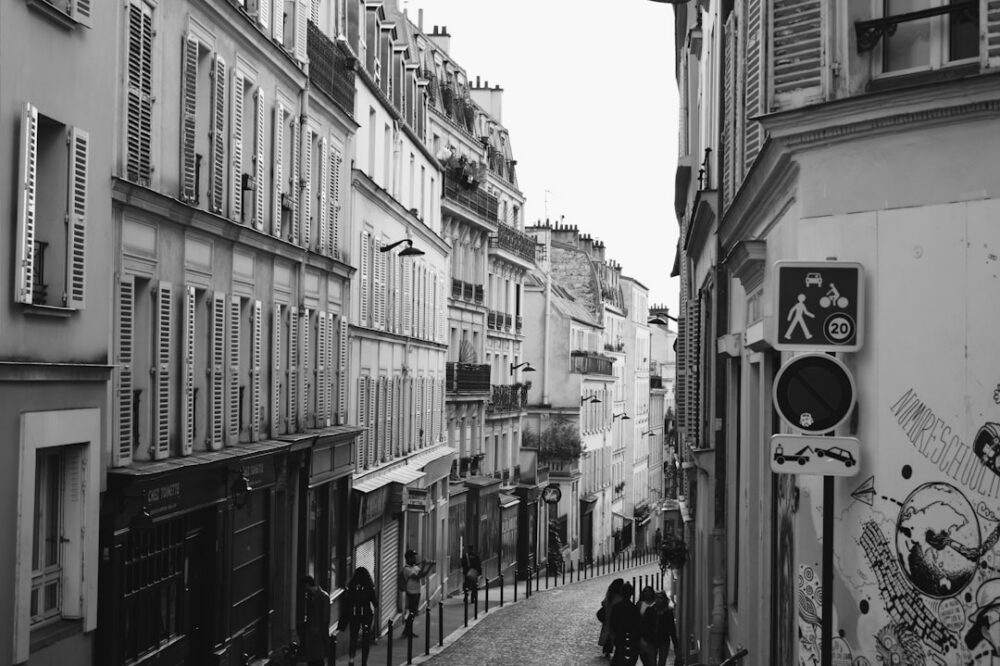
Paris remains a global food mecca, but is it the best for a food tour in 2026? The city excels in diversity: you can sample Vietnamese pho in the 13th arrondissement, enjoy a classic croissant in Montmartre, and dine at a three-Michelin-starred restaurant all in one day. In 2026, Paris is embracing neo-bistros—casual spots with creative, affordable tasting menus. Food tours often focus on neighborhoods like Le Marais or Saint-Germain-des-Prés, covering cheese shops, bakeries, and wine bars.
Pros and Cons of a Paris Food Tour
| Pros | Cons |
|---|---|
| Unrivaled variety of cuisines | Can be expensive |
| World-class patisseries and bakeries | Tourist crowds in popular spots |
| Innovative dining trends (plant-based, fusion) | Less focus on regional specialties |
| Excellent wine bars and fromageries | Some tours feel rushed |
3. Marseille: Mediterranean Flavors and Seafood
If you crave coastal cuisine, Marseille is your answer. The city’s iconic bouillabaisse is a must, but 2026 sees a surge in sustainable seafood and North African influences. The Vieux-Port market overflows with fresh fish, while the Noailles district offers North African spices and couscous. A food tour here might include a cooking class on bouillabaisse, a visit to a local navette bakery, and a tasting of pastis. Marseille’s food scene is vibrant, multicultural, and deeply tied to the sea.
Why Choose Marseille in 2026?
- Unique seafood-focused cuisine not found elsewhere in France.
- Strong North African and Italian influences.
- Outdoor markets with a lively, local atmosphere.
- Growing reputation for organic and sustainable dining.
4. Bordeaux: Wine and Gourmet Pairings
Bordeaux is synonymous with wine, but its food scene is equally impressive. In 2026, the city’s Marché des Capucins is a foodie haven, offering oysters, foie gras, and canelés. Food tours here often combine vineyard visits with culinary stops, including a château lunch. The city’s dining scene is evolving, with chefs incorporating wine into dishes and focusing on local produce from the Aquitaine region.
Bordeaux Food Tour Highlights
- Wine and food pairing experiences at vineyards.
- Canelé workshops and tastings.
- Oysters from Arcachon Bay.
- Farm-to-table restaurants in the city center.
5. Toulouse: The Pink City’s Comfort Food
Toulouse offers hearty, rustic cuisine with a focus on duck and cassoulet. In 2026, the city is gaining attention for its food markets—especially Victor Hugo Market—and its emerging craft beer scene. A food tour might include a cassoulet cooking demonstration, a visit to a duck farm, and tastings of violet-flavored treats (Toulouse’s signature flower). It’s less touristy than other cities, offering an authentic Southwestern French experience.
What to Expect in Toulouse
- Rich, slow-cooked dishes perfect for cooler months.
- Affordable dining compared to Paris or Lyon.
- Strong local pride in traditional recipes.
- Excellent charcuterie and cheese from the Pyrenees.
Comparing Food Tour Experiences: A Quick Checklist
Before booking, consider these factors to match your preferences:
| Criterion | Best City | Why |
|---|---|---|
| Classic French cuisine | Lyon | Bouchon culture and culinary history |
| Wine and food pairing | Bordeaux | World-famous vineyards and gourmet dining |
| Seafood and Mediterranean | Marseille | Bouillabaisse, fresh fish, North African spices |
| Budget-friendly | Toulouse | Hearty, affordable local dishes |
| Diversity and innovation | Paris | Global cuisines and neo-bistro trend |
| Market tours | Lyon or Toulouse | Large, authentic indoor markets |
Emerging Food Trends in 2026 and How Each City Adapts
Food tourism in 2026 is shaped by sustainability, local sourcing, and experiential dining. Here’s how each city aligns:
- Lyon: Strong farm-to-table movement, with many chefs sourcing directly from the Rhône-Alpes region.
- Paris: Plant-based and fusion cuisines are booming, with dedicated vegan bistros and global pop-ups.
- Marseille: Emphasis on sustainable fishing and zero-waste seafood restaurants.
- Bordeaux: Organic and biodynamic wine production is increasingly paired with local, seasonal menus.
- Toulouse: Revival of heirloom grains and traditional farming methods for cassoulet beans and duck.
Practical Tips for Planning Your 2026 Food Tour
Best Times to Visit
Spring (April-June) and fall (September-October) offer mild weather and seasonal produce. Avoid August when many restaurants close for holidays. For truffle season, visit in winter; for tomatoes and zucchini, summer is ideal.
How to Choose a Food Tour Operator
- Look for small group sizes (max 8 people) for a personalized experience.
- Check if the tour includes market visits, cooking demos, or wine pairings.
- Read recent reviews for 2025-2026 to ensure quality.
- Prefer local guides who speak English and have culinary backgrounds.
What to Pack
- Comfortable walking shoes (tours often cover 3-5 km).
- An appetite—skip breakfast before a food tour!
- Reusable water bottle and bag for market purchases.
- Camera or smartphone for food photography.
Common Mistakes to Avoid on a French Food Tour
- Overbooking: Don’t cram two food tours in one day; you’ll miss the nuances.
- Skipping the markets: Markets are the heart of French food culture—always include one.
- Ignoring dietary restrictions: Many tours can accommodate vegetarians or gluten-free, but confirm in advance.
- Not learning basic phrases: A simple “merci” or “délicieux” goes a long way with vendors.
Frequently Asked Questions
Which French city is best for a food tour in 2026 for a first-time visitor?
Lyon is ideal for first-timers because of its concentrated food scene, walkable neighborhoods, and English-friendly tours. You’ll get a thorough introduction to French gastronomy without the overwhelm of Paris.
Are food tours in France expensive?
Prices vary: in Paris, expect €80-150 per person for a half-day tour; in Lyon or Toulouse, €50-90. Many tours include multiple tastings, making them good value compared to dining out.
Can I do a self-guided food tour instead?
Yes, but you’ll miss insider access to producers and hidden gems. A guided tour often includes stories and context that enhance the experience. If you prefer self-guided, plan your route around markets like Marché des Capucins in Bordeaux or Halles de Lyon.
What is the best time of year for a food tour in France?
Spring and fall offer the best balance of pleasant weather and seasonal produce. Truffle season (winter) and tomato season (summer) are also excellent for specific ingredients.
Which city has the best street food scene?
Paris leads with crêpes, falafel, and international street food, but Marseille’s panisses (chickpea fries) and navettes are unique local treats. Lyon’s street food is more limited but includes cervelle de canut (herbed cheese) on bread.
Is it worth visiting multiple cities for food tours?
Absolutely. Each city offers a distinct culinary identity. A week-long itinerary combining Lyon and Bordeaux, or Marseille and Toulouse, gives a richer understanding of French cuisine. Consider a train journey to connect them efficiently.
Final Verdict: The Best French City for a Food Tour in 2026
After weighing all factors, Lyon stands out as the best French city for a food tour in 2026. Its deep-rooted gastronomic tradition, vibrant market scene, and balance of classic and modern dining make it unmatched. However, if your passion is wine, choose Bordeaux; if you crave seafood and sun, Marseille is your spot; for variety and innovation, Paris delivers; and for authentic, budget-friendly comfort food, Toulouse awaits. Whichever you pick, 2026 promises to be a delicious year to explore France through its food.
Ready to book your food tour? Start by checking tour operators with excellent 2025-2026 reviews, and don’t hesitate to ask about seasonal specialties. Bon appétit!
I’m torn between Lyon and Bordeaux for a 2026 food tour. Which one has better wine pairings with local dishes?
Both are great, but Bordeaux naturally excels at wine pairings since it’s the world’s wine capital. Many food tours there include vineyard visits and wine-paired menus. Lyon also offers excellent wine pairings, but with a focus on Beaujolais and Rhône varieties. If wine is your priority, Bordeaux is the better choice.
Great article! I’ve been to Paris for food tours twice, and while the variety is amazing, it felt a bit touristy. Does Lyon offer a more authentic experience?
Yes, Lyon is often considered more authentic for traditional French cuisine. Its bouchons are genuine, family-run spots, and the food tour scene is less commercialized. You’ll get a deeper dive into Lyonnaise specialties without the crowds. Plus, prices are lower than in Paris.
What about dietary restrictions? I’m vegetarian. Which city would be best for a plant-based food tour in 2026?
Paris leads in plant-based options, with many neo-bistros and vegan-friendly restaurants. Marseille also offers great Mediterranean vegetable dishes. Lyon is more meat-heavy, but many tours now include vegetarian versions of classics. For the most variety, Paris is your best bet.
I’m planning a food tour for a group of 8. Which city has the best group-friendly food tours that aren’t too expensive?
Lyon is ideal for groups: affordable, with many tours that accommodate larger parties. Bordeaux also has good group options, often including wine tastings. Paris can be pricier and more crowded. I’d recommend Lyon for a balance of quality, authenticity, and value for groups.