
Table des matières:
What Is the Best Food to Try in Madrid? Start with These Must-Try Dishes
Madrid is a city where food is a central part of the culture. The best food to try in Madrid includes iconic dishes like cocido madrileño, bocadillo de calamares, and churros con chocolate. But the city also offers a vibrant tapas scene, fresh seafood, and hearty stews that reflect its history and geography. Whether you’re a first-time visitor or returning for more, knowing what to order can make your trip unforgettable.
1. Classic Madrid Dishes You Can’t Miss
Cocido Madrileño
This is the quintessential Madrid stew, a slow-cooked combination of chickpeas, meats (chorizo, morcilla, pork, beef), and vegetables. Traditionally served in three courses: first the broth with noodles, then the chickpeas and vegetables, and finally the meats. It’s a heavy, satisfying meal best enjoyed in winter. Try it at La Bola or Taberna La Daniela.
Bocadillo de Calamares
A simple but iconic sandwich: crusty bread filled with deep-fried squid rings. It’s a popular street food, especially around Plaza Mayor. The best ones are freshly fried and lightly salted. Many bars serve it with a squeeze of lemon. Head to Bar Postas or Bocadillos de Calamares for a classic version.
Churros con Chocolate
Madrid’s answer to breakfast or late-night snack: crispy fried churros dipped in thick, dark hot chocolate. The chocolate is rich and almost pudding-like. Chocolatería San Ginés is the most famous spot, open 24/7. Order a portion of churros (6-8 pieces) and a cup of chocolate. Dip, don’t pour.
2. Tapas and Raciones: The Heart of Madrid’s Food Scene
Tapas are small dishes meant to be shared, while raciones are larger portions. In Madrid, you’ll find both. The key is to order a few dishes per person and share.
Patatas Bravas
Crispy fried potatoes with a spicy tomato sauce and aioli. The best version has a crunchy exterior and fluffy interior. Look for places that make their own brava sauce. Docamar is famous for its bravas.
Croquetas
Creamy béchamel fritters filled with ham, chicken, or cod. The texture should be smooth and the crust thin. La Casa del Abuelo serves excellent gambas al ajillo and croquetas.
Jamón Ibérico
Cured ham from acorn-fed pigs. The best quality is jamón ibérico de bellota. It’s served thinly sliced and eaten alone or with bread. Try it at Mercado de San Miguel or a specialized bar like Bar Jamón.
Pimientos de Padrón
Small green peppers fried in olive oil and sprinkled with sea salt. Most are mild, but one in every batch is spicy. They’re addictive and simple. Order them at any tapas bar.
3. Hearty Stews and Meat Dishes
Callos a la Madrileña
A tripe stew with chorizo, morcilla, and paprika. It’s a dish for the adventurous eater, rich and gelatinous. Taberna Antonio Sánchez is a classic spot for callos.
Cochinillo Asado
Roast suckling pig, with crispy skin and tender meat. It’s more typical of Segovia, but many Madrid restaurants serve it well. Restaurante Botín, the world’s oldest restaurant, is famous for its cochinillo.
Rabo de Toro
Oxtail stewed in wine and vegetables until falling off the bone. It’s a rich, flavorful dish. Try it at Taberna El Sur.
4. Seafood and Fish
Madrid is inland, but it has excellent seafood thanks to its central markets. The best places to eat seafood are traditional marisquerías.
Gambas al Ajillo
Shrimp sizzled in olive oil with garlic and chili. The oil is so flavorful you’ll want to dip bread in it. La Casa del Abuelo is a must.
Calamares a la Romana
Deep-fried squid rings, similar to the bocadillo filling but served as a tapa. They’re light and crispy.
Mejillones en Escabeche
Mussels marinated in a vinegary sauce with paprika and herbs. They’re a common tapa, often served cold.
5. Sweet Treats and Desserts
Torrijas
Spanish-style French toast, soaked in milk or wine, fried, and coated in sugar and cinnamon. They’re especially popular during Easter, but available year-round at Pastelería La Mallorquina.
Bartolillos
Fried dough filled with custard or cream. A classic Madrid pastry. Pastelería El Riojano is a good choice.
Rosquillas Tontas y Listas
Traditional donuts from San Isidro festival. “Tontas” are plain, “listas” are glazed. Try them at Horno de San Onofre.
6. Where to Eat in Madrid: Neighborhoods and Markets
Mercado de San Miguel
A historic market near Plaza Mayor, now a gourmet food hall. It’s touristy but great for sampling a variety of tapas and wines. Go early to avoid crowds.
Mercado de la Cebada
In La Latina, this is a more local market with traditional stalls and a lively atmosphere. Perfect for a casual lunch.
La Latina Neighborhood
Known for its tapas bars. Start at Calle Cava Baja, where you’ll find dozens of bars serving raciones and tapas. Do a “tapeo” (tapas crawl) and order one dish per bar.
Chueca and Malasaña
Trendy areas with modern tapas bars and international fusion. Great for creative dishes.
Salamanca District
Upscale area with Michelin-starred restaurants and classic Spanish cuisine. DiverXO and Santceloni are top choices.
7. Practical Tips for Eating in Madrid
- Meal times: Lunch is 1:30-4pm, dinner is 8:30-11pm. Many restaurants close between lunch and dinner.
- Tapas etiquette: In some bars, tapas come free with a drink. In others, you order and pay per dish. Always ask.
- Bread: Often charged separately. If you don’t want it, say “sin pan.”
- Water: Tap water is safe to drink, but most people order bottled water. Ask for “agua del grifo” if you want tap water.
- Tipping: Not mandatory, but rounding up or leaving 5-10% for good service is appreciated.
8. Common Mistakes to Avoid
- Eating at tourist traps: Avoid restaurants with pictures on menus or aggressive touts. Walk a few blocks away from major plazas.
- Ordering paella in Madrid: Paella is from Valencia. It’s available but often not the best. Stick to Madrid specialties.
- Not trying local wines: Madrid has its own wine region (D.O. Vinos de Madrid). Try a local red or white.
- Skipping the markets: Markets like San Miguel and San Antón offer quality and variety.
9. Frequently Asked Questions
What is the most typical food in Madrid?
The most typical is cocido madrileño, a hearty chickpea stew with meats. It’s considered the city’s signature dish.
What is the best food to try in Madrid for vegetarians?
Madrid has many vegetarian options. Try patatas bravas, pimientos de padrón, croquetas (check for meat-free), and tortilla española. Many tapas bars offer vegetarian choices.
Where can I eat authentic cocido madrileño?
Top spots include La Bola (since 1870), Taberna La Daniela, and Restaurante Malacatín. Reserve in advance.
Is it necessary to tip in Madrid restaurants?
No, but it’s customary to leave small change or 5-10% for good service. Some upscale restaurants include a service charge.
What is the best time to eat churros con chocolate?
Churros are eaten for breakfast or as a late-night snack. San Ginés is open 24/7, so you can go anytime.
Can I find gluten-free options in Madrid?
Yes, many restaurants offer gluten-free dishes. Look for sin gluten on menus. Dedicated gluten-free bakeries like Celicioso are also available.
10. Your Madrid Food Checklist
To make sure you don’t miss out, here’s a quick checklist of must-try foods and where to find them:
- ☐ Cocido madrileño – La Bola
- ☐ Bocadillo de calamares – Bar Postas
- ☐ Churros con chocolate – San Ginés
- ☐ Patatas bravas – Docamar
- ☐ Croquetas – La Casa del Abuelo
- ☐ Jamón ibérico – Mercado de San Miguel
- ☐ Callos a la madrileña – Taberna Antonio Sánchez
- ☐ Gambas al ajillo – La Casa del Abuelo
- ☐ Torrijas – Pastelería La Mallorquina
Now you’re ready to explore Madrid’s culinary scene. The best food to try in Madrid is rooted in tradition but also open to innovation. Enjoy every bite, and don’t be afraid to ask locals for their favorites. Buen provecho!
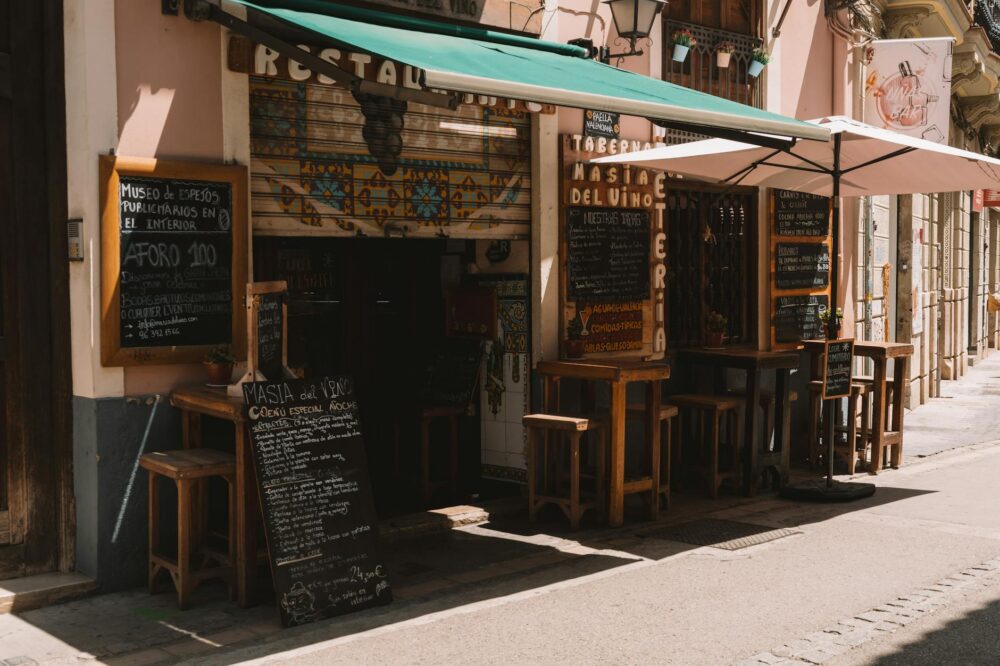
Photo by Joaquin Carfagna on Pexels


I’m planning a trip to Madrid next spring and I’m torn between trying cocido madrileño or callos a la madrileña. Which one would you recommend for a first-time visitor who wants a true local experience?
Great question! For a first-time visitor, I’d recommend starting with cocido madrileño. It’s more accessible in terms of flavors and gives you a wonderful introduction to Madrid’s slow-cooked stew tradition. Callos a la madrileña is delicious but can be an acquired taste due to the tripe. You can always try callos on a return visit!