
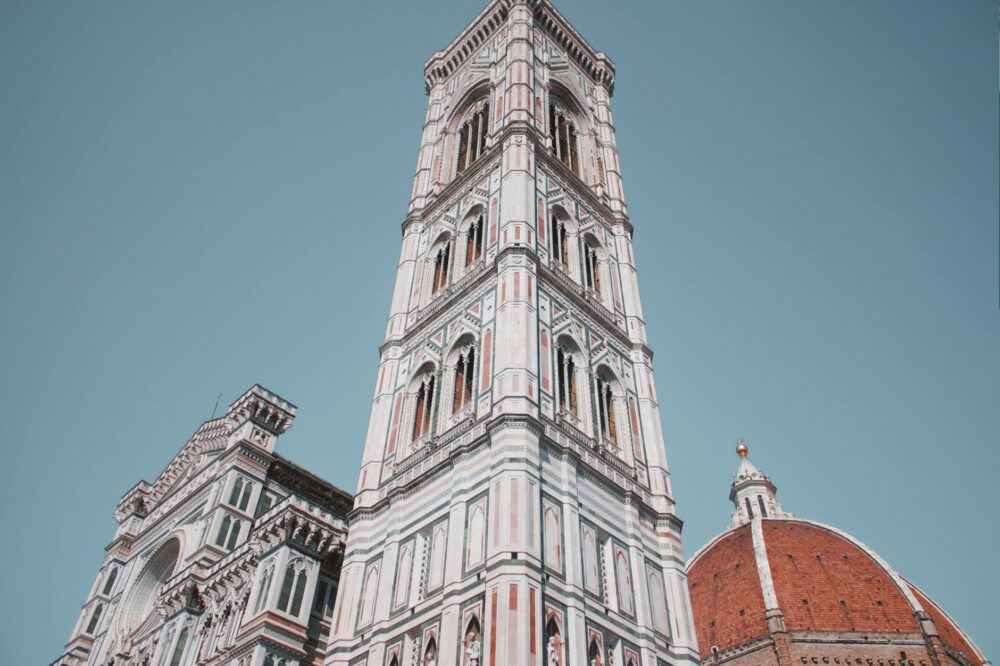
If you’re searching for the best espresso in Florence in 2026, you’re not just looking for a caffeine fix—you’re after an authentic Italian ritual. Florence, the cradle of Renaissance art and culture, also boasts a coffee tradition that is both deep and demanding. The perfect espresso here is a symphony of crema, aroma, and balance, served in under thirty seconds at a bar counter. But with so many options, from tourist-heavy piazzas to quiet side streets, where do you find the true gems?
This guide cuts through the noise. We’ll take you to the cafes that locals frequent, the roasters that supply them, and the bars that respect the craft. Whether you’re a first-time visitor or a seasoned traveler, you’ll leave with a curated list and the knowledge to order like a Florentine. By the end, you’ll know exactly where to find the best espresso in Florence in 2026—and how to recognize it.
Table des matières:
What Defines a Great Espresso in Florence?
Before we dive into specific addresses, it’s worth understanding what makes an espresso exceptional in this city. Florence has a distinct coffee culture that differs from Naples or Rome. Here, the emphasis is on a balanced, medium-roast bean, often from Central and South America, with a lighter crema and a clean finish. The ideal espresso is served at a temperature that doesn’t burn your tongue, with a thick, hazelnut-colored crema that holds its shape.
The Anatomy of a Florentine Espresso
- Bean origin: Many top cafes use single-origin or carefully blended Arabica beans. Robusta is rarely used, except in some traditional blends.
- Roast level: Medium roast is king. Dark roasts are considered too bitter, while light roasts are uncommon.
- Grind and extraction: A fine grind, tamped evenly, with an extraction time of 20–30 seconds. The result is about 25–30 ml of liquid.
- Crema: Should be persistent, not too thick or too thin. A good crema indicates fresh beans and proper technique.
- Serving temperature: Around 65–70°C (149–158°F). Too hot and it burns the coffee; too cold and it’s flat.
A common mistake tourists make is expecting a large, milky drink. In Florence, an espresso (called caffè) is a standalone experience. If you want milk, order a cappuccino or latte macchiato, but only before noon—locals rarely drink milk-based coffee after lunch.
Top 10 Cafes for the Best Espresso in Florence in 2026
These are the places that consistently deliver excellence, according to locals, baristas, and coffee enthusiasts. We’ve updated this list for 2026, factoring in recent openings and changes.
| Cafe Name | Neighborhood | Specialty | Price per Espresso |
|---|---|---|---|
| Ditta Artigianale | Santa Croce | Third-wave coffee, single-origin espressos | €1.50–€2.00 |
| La Ménagère | San Lorenzo | Design interior, excellent espresso blend | €1.80 |
| Caffè Gilli | Piazza della Repubblica | Historic cafe, traditional espresso | €2.50 (table service) |
| Le Volpi e l’Uva | Oltrarno | Wine bar with top espresso | €1.20 |
| Piansa | San Frediano | Artisanal roastery, espresso flights | €1.50 |
| SimBIOsi | Sant’Ambrogio | Organic, fair-trade espresso | €1.30 |
| Caffè degli Artigiani | San Niccolò | Neighborhood gem, strong espresso | €1.00 |
| Ostello Tasso | San Frediano | Hostel bar with surprisingly good coffee | €1.00 |
| Torrefazione di Scandicci | Scandicci (outskirts) | Roastery with tasting room | €1.00 |
| Caffè del Verone | Piazzale Michelangelo | Espresso with a view | €2.00 |
1. Ditta Artigianale – The Third-Wave Pioneer
Founded by Francesco Sanapo, a multiple-time Italian barista champion, Ditta Artigianale is synonymous with specialty coffee in Florence. With two locations (the original near Santa Croce and a newer one in the center), this is the place for coffee purists. They source beans directly from producers, roast them in-house, and offer a rotating selection of single-origin espressos. The baristas are knowledgeable and happy to explain the flavor notes. In 2026, they’ve expanded their brewing methods, but the espresso remains their flagship.
Pro tip: Order a caffè filtro (filter coffee) if you want to taste the bean’s full profile, but for the best espresso in Florence, stick to their classic shot.
2. La Ménagère – Where Design Meets Coffee
La Ménagère is a concept store that combines a florist, a restaurant, and a cafe. The interior is stunning, with vintage furniture and an open kitchen. But don’t let the aesthetics fool you—their espresso is serious. They use a custom blend from a local roaster, and the baristas are trained to extract a perfect shot every time. It’s a bit pricier than average, but the experience is worth it.
3. Caffè Gilli – A Historic Institution
Since 1733, Caffè Gilli has been a landmark in Piazza della Repubblica. While it’s undeniably touristy, their espresso is still excellent. The key is to drink it at the bar (€1.50) rather than at a table (€2.50). The baristas are efficient, and the coffee is robust with a thick crema. It’s a great spot for people-watching, but don’t expect the third-wave complexity of Ditta Artigianale.
4. Le Volpi e l’Uva – A Wine Bar with a Secret
This tiny enoteca in the Oltrarno district is famous for its wine selection, but locals know they serve one of the best espressos in the neighborhood. The coffee is from a small roaster in Prato, and the barista pulls a short, intense shot that pairs beautifully with a glass of water. It’s cheap, fast, and authentic. Stand at the counter, sip your espresso, and watch the world go by.
5. Piansa – The Roastery Experience
Piansa is a micro-roastery in the San Frediano area that opened in 2022 and quickly gained a cult following. They offer espresso flights—three single-origin shots side by side—so you can compare flavors. The owner, a former engineer, is obsessed with precision, and it shows. In 2026, they’ve added a small seating area, but the best spot is still at the bar.
6. SimBIOsi – Organic and Ethical
For those who care about sustainability, SimBIOsi is a must. This organic cafe near Sant’Ambrogio market sources only fair-trade beans and roasts them lightly. Their espresso is bright, with fruity notes, and the price is very reasonable. It’s a favorite among students and eco-conscious locals.
7. Caffè degli Artigiani – The Hidden Gem
Tucked away in the San Niccolò neighborhood, this no-frills bar serves a powerful espresso for just €1.00. The beans are from a traditional roaster, and the machine is a classic La Marzocco. It’s not fancy, but it’s perfect. If you want to feel like a true Florentine, this is your spot.
8. Ostello Tasso – Budget-Friendly Surprise
Yes, a hostel. Ostello Tasso has a bar that’s open to the public, and their espresso is surprisingly good. They use beans from a local cooperative, and the barista (often a traveler working for accommodation) takes pride in the craft. It’s cheap, cheerful, and a great place to meet people.


9. Torrefazione di Scandicci – A Pilgrimage for Coffee Lovers
Located just outside Florence in Scandicci, this historic roastery has been supplying beans to cafes since 1946. They have a small tasting room where you can try their espressos and buy beans to take home. The espresso here is classic Florentine: balanced, creamy, and satisfying. It’s worth the 20-minute bus ride.
10. Caffè del Verone – Espresso with a View
Atop Piazzale Michelangelo, Caffè del Verone offers panoramic views of Florence. The espresso is good, not great, but the setting is unbeatable. Go at sunset, order a caffè, and enjoy the moment. It’s a bit touristy, but the view compensates.
How to Order Espresso Like a Local
Ordering correctly is part of the experience. Here’s a quick checklist:
- Go to the counter (banco) and say: “Un caffè, per favore.”
- Pay first at the cash register if there’s a separate queue, then give the receipt to the barista.
- Drink it standing at the bar. Sitting down costs extra.
- Don’t ask for a cappuccino after 11 AM—it’s considered a breakfast drink.
- If you want a double, say “caffè doppio.”
- If you want it with a drop of milk, say “caffè macchiato.”
- If you want it without caffeine, say “caffè decaffeinato.”
Avoid these common mistakes:
- Don’t ask for a “latte” (that’s just milk). Order a caffè latte if you want milk coffee.
- Don’t expect to linger over your espresso. It’s a quick social ritual.
- Don’t stir your espresso unless you want to combine the crema—most locals drink it as is.
Beyond the Espresso: Coffee Culture in Florence
The best espresso in Florence in 2026 is not just about the drink; it’s about the context. Coffee bars are social hubs where people meet, chat, and read the newspaper. The atmosphere is brisk but friendly. Many cafes also offer pastries, like cornetti (Italian croissants) filled with cream or jam. Pairing a cornetto with your espresso is a classic breakfast.
If you’re interested in learning more, some cafes offer workshops. Ditta Artigianale, for example, hosts cupping sessions and latte art classes. Torrefazione di Scandicci gives tours of their roasting facility. These experiences deepen your appreciation for the craft.
Frequently Asked Questions
What is the average price of an espresso in Florence in 2026?
At a bar counter, expect to pay between €1.00 and €1.50. At a table, especially in tourist areas, it can be €2.00–€3.00. The price has remained stable in 2026, with slight increases due to inflation.
Is it true that Florentines don’t drink cappuccino after lunch?
Yes, it’s a strong cultural norm. Milk-based coffees are considered too heavy for digestion after a meal. Locals stick to espresso (caffè) after lunch or dinner.
Can I find specialty coffee in Florence?
Absolutely. Florence has a thriving specialty coffee scene, led by Ditta Artigianale and Piansa. Many cafes now offer single-origin espressos, pour-overs, and cold brew. The third-wave movement has grown significantly since the early 2020s.
What is the best time of day to drink espresso in Florence?
Morning (around 7–10 AM) is the most popular time, but locals drink espresso throughout the day. After lunch (1–2 PM) and mid-afternoon (4–5 PM) are also common. Avoid drinking espresso after 6 PM if you’re sensitive to caffeine.
Are there any coffee festivals in Florence?
Yes, the Florence Coffee Festival (usually in October) celebrates coffee culture with tastings, workshops, and competitions. In 2026, it’s expected to return with a larger program. Check local listings.
How can I identify a good espresso bar in Florence?
Look for a busy bar with a high turnover of customers. A good sign is if the barista pulls fresh shots frequently. Also, check the machine—a well-maintained La Marzocco or Nuova Simonelli is a positive indicator. Avoid places where the espresso sits in a pot or is pre-made.
Final Thoughts on the Best Espresso in Florence in 2026
Finding the best espresso in Florence in 2026 is a journey through tradition and innovation. From the historic counters of Caffè Gilli to the precision of Ditta Artigianale, each cafe offers a unique interpretation of this beloved beverage. Remember to order at the bar, drink quickly, and savor the moment. Florence’s coffee culture is as rich as its art, and with this guide, you’re ready to experience it fully. Whether you’re a casual drinker or a dedicated enthusiast, the perfect shot awaits. Now go out and explore—your next espresso is just around the corner.
Photo by Ozan Tabakoğlu on Pexels
Great guide! I’m planning a trip to Florence in spring 2026 and was wondering: do the cafes you listed usually have seating, or is it mostly standing at the bar? I’ve heard that in Italy, sitting down costs extra.
Good question! Most of the cafes we listed, like Ditta Artigianale and La Ménagère, have both bar and table service. However, yes, sitting at a table usually adds a surcharge (often €0.50–€1.00). To enjoy the authentic Florentine ritual, we recommend standing at the bar—it’s also cheaper and faster.
I noticed you mentioned that locals rarely drink milk-based coffee after noon. Is that a hard rule, or would I be judged for ordering a cappuccino in the afternoon?
It’s more of a strong cultural norm than a strict rule. Many locals won’t bat an eye at a tourist ordering a cappuccino after lunch, but you might get a few looks if you order one after dinner. To blend in, stick to espresso (caffè) after noon. If you really want milk, a latte macchiato is slightly more acceptable.
Thanks for the list! I’m a coffee enthusiast and love trying single-origin espressos. Does Ditta Artigianale rotate their single-origin offerings frequently? Also, do they offer espresso flights?
Yes, Ditta Artigianale rotates their single-origin selection regularly, often featuring beans from Ethiopia, Colombia, or Brazil. They sometimes offer tasting flights, especially during slower hours—just ask the barista. For a dedicated espresso flight experience, Piansa is also a great choice, as they offer curated flights of their own roasts.
I appreciate the focus on quality, but as a budget traveler, €1.50–€2.00 per espresso adds up. Are there any hidden gems that serve a good espresso for under €1?
Absolutely! You can find excellent, affordable espresso at many no-frills bars away from tourist centers. Try ‘Caffè degli Artigiani’ near Piazza Santo Spirito or ‘Bar Gianni’ in Sant’Ambrogio—both serve a solid espresso for around €1.00. Also, Le Volpi e l’Uva on your list is only €1.20, which is a steal for the quality.
This is really helpful! One thing I’m curious about: what’s the best way to order an espresso like a local? I’ve heard you should say ‘un caffè’ but is there anything else I should know?
You’ve got it right—just say ‘un caffè, per favore’ when you approach the bar. If you want a double, ask for ‘un caffè doppio.’ For a very short, concentrated shot, try ‘un caffè ristretto.’ And remember, you pay first at the register, then hand the receipt to the barista. Also, don’t ask for a ‘shot’ or ‘expresso’—that marks you as a tourist.
I visited Caffè Gilli last year and loved the historic atmosphere, but I found the espresso a bit overpriced. Are there any other historic cafes that offer better value?
Caffè Gilli is indeed pricey due to its prime location and table service. For a more affordable historic experience, try ‘Caffè Rivoire’ near Piazza della Signoria—it’s slightly cheaper if you drink at the bar (around €1.80) and has a beautiful setting. Another option is ‘Caffè Paszkowski’ on Piazza della Repubblica, which also offers a traditional espresso at a lower bar price.