
Table des matières:
Your Guide to the Best Cultural Experiences in Montpellier in 2026
Montpellier in 2026 is a vibrant cultural hub, blending centuries of history with a forward-thinking arts scene. Whether you are a first-time visitor or a returning traveler, the city offers a rich tapestry of experiences—from cutting-edge contemporary art to ancient Roman architecture. This guide highlights the must-see cultural activities, events, and hidden gems that define Montpellier’s unique character.
Why Montpellier Stands Out as a Cultural Destination
Montpellier is not just a student city; it is a cultural powerhouse in the south of France. Its historic center, the Écusson, is a maze of narrow streets lined with medieval mansions, while the city’s modern districts showcase bold architectural projects. In 2026, new exhibitions, festivals, and cultural initiatives make it an even more exciting destination. The city’s commitment to arts and heritage ensures that visitors can immerse themselves in authentic local culture.
Top Cultural Experiences You Cannot Miss in 2026
1. Explore the Musée Fabre’s New Exhibitions
The Musée Fabre is one of Europe’s finest art museums, housing an extensive collection from the Renaissance to modern art. In 2026, the museum will host a special exhibition on Impressionism and its influence on Mediterranean artists. Don’t miss the permanent collection, which includes works by Delacroix, Courbet, and Soulages. The museum’s courtyard café is perfect for a break.
2. Stroll Through the Historic Écusson District
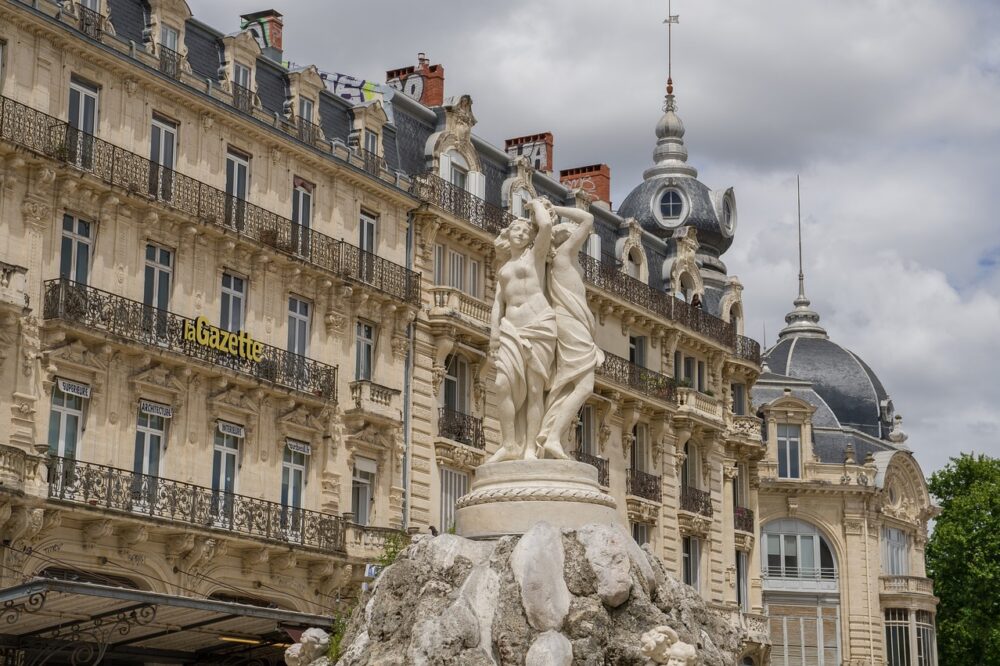
The Écusson is the medieval heart of Montpellier, with its labyrinthine alleys, hidden courtyards, and the iconic Place de la Comédie. Take a guided walking tour to learn about the city’s history, from its 10th-century origins to its role as a trading hub. In 2026, new audio guides highlight local legends and architectural details.
3. Experience the Festival of Montpellier Danse
Montpellier Danse is an internationally renowned contemporary dance festival, held annually in June and July. In 2026, the festival will feature performances by choreographers from around the world, including site-specific works in public spaces. Book tickets early, as popular shows sell out quickly.
4. Discover Street Art in the Beaux-Arts District
The Beaux-Arts district is an open-air gallery, with murals and graffiti by local and international artists. Join a street art tour to understand the stories behind the works. In 2026, a new mural trail connects the district to the city’s contemporary art scene.
5. Visit the Musée Fabre’s Sculpture Garden
Adjacent to the main museum, the sculpture garden is a serene space featuring works by Rodin, Maillol, and contemporary sculptors. In 2026, the garden will host temporary installations and outdoor concerts. It’s an ideal spot for a relaxing afternoon.
6. Attend the Printemps des Comédiens Festival
This theater festival, held in May and June, showcases drama, comedy, and performance art in venues across the city. The 2026 edition will include international productions and free outdoor performances. Check the program for English-friendly shows.
7. Explore the Antigone District’s Architecture
Designed by Catalan architect Ricardo Bofill, the Antigone district is a striking example of postmodern urban planning. Its neoclassical-inspired buildings and wide esplanades are perfect for a leisurely walk. In 2026, the district will host a photography exhibition documenting its history.



Practical Tips for a Cultural Trip to Montpellier
- Best time to visit: Spring (April-June) and fall (September-October) offer mild weather and fewer crowds. Many festivals take place in summer, so book accommodation early.
- Getting around: The city center is walkable. Use the tram system for longer distances; a single ticket costs €1.60.
- Museum passes: The Montpellier City Pass includes entry to major museums and free public transport. Prices start at €25 for 24 hours.
- Language: While French is the main language, many tourist sites offer English materials. Learning a few French phrases enhances the experience.
Comparison: Montpellier’s Best Museums
| Museum | Specialty | 2026 Highlight | Ticket Price (€) |
|---|---|---|---|
| Musée Fabre | Fine arts | Impressionist exhibition | 12 |
| Musée d’Histoire de Montpellier | Local history | Interactive medieval exhibit | 8 |
| Musée du Vieux Montpellier | Folk art | Renovated galleries | 5 |
Hidden Cultural Gems Off the Beaten Path
Beyond the main attractions, Montpellier offers lesser-known cultural experiences. Visit the Jardin des Plantes, one of France’s oldest botanical gardens, for a peaceful retreat. The Micro-Folie digital museum in the Quartier Gare features virtual reality art. For food culture, take a cooking class to learn how to make local specialties like tielle sétoise or fougasse.
Mistakes to Avoid When Exploring Montpellier’s Culture
- Overplanning: Leave time for spontaneous discoveries—the best experiences often happen when you wander.
- Skipping local cuisine: Don’t just hit tourist restaurants; try a traditional market like Marché des Arceaux for authentic flavors.
- Ignoring the tram: The tram system is efficient and connects cultural sites; use it to save energy.
- Forgetting to book: Popular museums and festivals require advance reservations, especially in peak season.
Frequently Asked Questions About Cultural Experiences in Montpellier
What are the best free cultural activities in Montpellier?
Many museums offer free entry on the first Sunday of the month. The street art in the Beaux-Arts district and the architecture of Antigone are free to explore. The Jardin des Plantes is also free.
Is Montpellier safe for solo travelers?
Yes, Montpellier is generally safe. The city center is well-lit and patrolled. However, like any city, be mindful of pickpockets in crowded areas.
What cultural events are unique to Montpellier in 2026?
The Festival de Montpellier Danse and Printemps des Comédiens are unique. Also, the city will host a special exhibition on the history of the Languedoc region at the Musée d’Histoire.
How many days do I need to experience Montpellier’s culture?
A minimum of three days allows you to see the major museums, explore the historic center, and attend a performance. For a deeper experience, stay five days.
Can I visit Montpellier’s cultural sites with children?
Yes. The Musée Fabre has family-friendly workshops, and the Jardin des Plantes is great for kids. The aquarium and Planet Ocean are also popular with families.
What is the best way to learn about Montpellier’s history?
Take a guided walking tour of the Écusson. The Tourist Office offers themed tours in English. Alternatively, visit the Musée d’Histoire de Montpellier for a comprehensive overview.
Plan Your Cultural Itinerary for Montpellier in 2026
To make the most of your cultural trip, prioritize what interests you most. Start with the Musée Fabre and a walk through the Écusson. On day two, explore street art and the Antigone district. Day three can be dedicated to a festival or a day trip to nearby sites like the Pont du Gard or the Camargue. Remember to check event calendars for 2026 updates, as new exhibitions and performances are announced regularly. Montpellier’s cultural scene is dynamic and welcoming—immerse yourself and enjoy every moment.
Photo by Ralphs_Fotos on Pixabay


Great article! I’m particularly interested in the street art in the Beaux-Arts district. Are the murals easy to find on your own, or is a guided tour recommended?
Thank you! The murals are spread throughout the district, so a guided tour is highly recommended to learn the stories behind the works and discover hidden pieces. In 2026, a new mural trail connects the district to the contemporary art scene, making self-guided exploration easier, but a tour adds context.
I’m planning a trip to Montpellier in June 2026. Will the Montpellier Danse festival still be on, and do you have any tips for getting tickets?
Yes, the Montpellier Danse festival takes place annually in June and July, so it will be on in 2026. For tickets, book early via the official festival website as popular shows sell out quickly. Also consider attending site-specific performances in public spaces, which are often free.