
Table des matières:
Why Choose Sustainable Travel in France?
France is a global leader in sustainable tourism, with many cities implementing green initiatives to reduce carbon footprints and promote eco-friendly practices. Whether you’re a conscious traveler or simply seeking authentic experiences, exploring the best cities in France for a sustainable travel experience allows you to enjoy culture, cuisine, and nature while supporting local communities and the environment. From bike-friendly streets to organic markets, these urban destinations prove that eco-consciousness and luxury can go hand in hand.
Paris: Leading the Way in Urban Sustainability
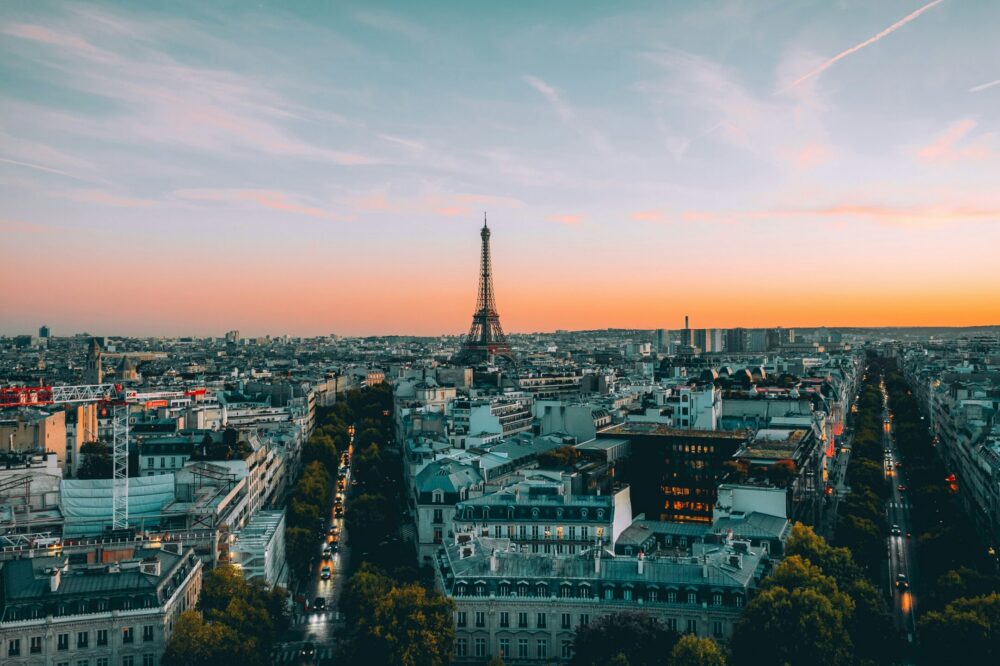
The City of Light has transformed itself into a model for sustainable travel. Paris is one of the best cities in France for a sustainable travel experience due to its extensive public transportation network, green spaces, and commitment to reducing emissions. The city’s Paris Respire (Paris Breathes) program closes major roads to traffic on Sundays, encouraging walking and cycling. Additionally, the Vélib’ bike-sharing system offers an affordable and eco-friendly way to explore iconic landmarks like the Eiffel Tower and the Louvre.
Eco-Friendly Accommodations and Dining
Many hotels in Paris now hold Eco-label certifications, such as the Hotel Gavarni and Le Cinq Codet, which use renewable energy and organic linens. For dining, seek out restaurants like Le Chateaubriand that source locally and seasonally. The Marché d’Aligre and Marché des Enfants Rouges are perfect for picking up organic produce and artisanal goods.
Green Spaces and Cultural Attractions
Paris boasts over 400 parks and gardens, including the Jardin du Luxembourg and Parc des Buttes-Chaumont, which offer peaceful retreats. The Promenade Plantée, an elevated park built on a former railway line, is a pioneer of urban greenways. Cultural venues like the Musée d’Orsay and the Centre Pompidou have implemented energy-saving measures and waste reduction programs.
Lyon: A Hub of Eco-Initiatives and Gastronomy
Lyon, known as the gastronomic capital of France, is also a standout among the best cities in France for a sustainable travel experience. The city has invested heavily in eco-districts such as Confluence, a former industrial area transformed into a sustainable neighborhood with green buildings, rainwater harvesting, and car-free zones. Lyon’s Vélo’v bike-sharing system and efficient tram network make it easy to explore without a car.
Farm-to-Table Dining and Local Markets
Lyon’s culinary scene emphasizes local, seasonal ingredients. Visit the Halles de Lyon Paul Bocuse for regional specialties, or dine at Le Bouchon des Cordeliers, which focuses on organic and fair-trade products. The city also hosts the Fête des Lumières, a festival that now uses LED lights and solar power to reduce energy consumption.
Eco-Friendly Activities
Explore the Parc de la Tête d’Or, one of Europe’s largest urban parks, which features a lake, botanical garden, and free zoo. The Rhône and Saône rivers offer guided boat tours using electric or hybrid vessels. For a unique experience, join a permaculture workshop at the Jardin des Plantes.
Bordeaux: Wine, Nature, and Sustainable Tourism
Bordeaux is renowned for its wine, but it’s also a leader in sustainable urban development. The city’s tram system runs on renewable energy, and its pedestrian-friendly historic center is a UNESCO World Heritage site. Bordeaux is among the best cities in France for a sustainable travel experience due to its commitment to preserving natural landscapes and promoting eco-wine tourism.
Eco-Wine Tours and Organic Vineyards
Many wineries in the Bordeaux region practice organic or biodynamic farming. Book a tour at Château Margaux or Château Pontet-Canet to learn about sustainable viticulture. For a hands-on experience, join a grape harvest during autumn.
Green Spaces and Urban Nature
The Jardin Public and Parc Bordelais offer lush greenery, while the Garonne River banks have been revitalized with bike paths and picnic areas. The Cité du Vin museum incorporates sustainable architecture, including a green roof and energy-efficient systems.
Strasbourg: A Model of European Eco-Consciousness
Strasbourg, home to the European Parliament, is a pioneer in environmental policy. The city’s tram network is one of the most extensive in France, and its cycling infrastructure is top-notch. Strasbourg is often cited among the best cities in France for a sustainable travel experience due to its eco-neighborhoods, such as Neudorf and Gare, which feature passive housing and community gardens.
Exploring the City by Bike or Foot
The Vélhop bike rental system offers long-term rentals for visitors. The Petite France district is best explored on foot, with its cobblestone streets and half-timbered houses. The Parc de l’Orangerie and Jardin des Deux Rives provide scenic routes for walking or cycling along the Ill River.
Local and Organic Food Scene
Strasbourg’s Marché de la Cathédrale and Marché du Neudorf offer organic produce, cheeses, and wines. Restaurants like Le Buerehiesel focus on seasonal, locally sourced ingredients. The city also hosts the Strasbourg Beer Festival, featuring craft beers from local breweries that use sustainable practices.
Nantes: Innovation in Green Urban Living
Nantes, the former industrial hub of the Loire Valley, has reinvented itself as a green city. The Île de Nantes redevelopment project transformed shipyards into eco-friendly public spaces, including the famous Les Machines de l’Île (mechanical elephants and carousels). Nantes is considered one of the best cities in France for a sustainable travel experience due to its green tram and electric car-sharing programs.
Parks, Gardens, and Eco-Attractions
The Jardin des Plantes is a botanical garden with a focus on biodiversity. The Parc de Procé and Parc du Grand Blottereau offer expansive lawns and woodlands. For a unique experience, visit the Voyage à Nantes art trail, which incorporates sustainable installations.
Sustainable Dining and Shopping
Nantes has a thriving farmers’ market scene, including Marché de Talensac and Marché de la Petite Hollande. Many restaurants, such as Le Bistrot de la Cathédrale, source from local producers. The city also promotes zero-waste stores like Day by Day.
Marseille: Mediterranean Sustainability
Marseille, France’s oldest city, is embracing sustainable tourism with its Calanques National Park and efforts to clean up its coastline. The city’s eco-district in Euroméditerranée includes green buildings and public transport links. Marseille is among the best cities in France for a sustainable travel experience for those who love the sea and nature.
Eco-Friendly Marine Activities
Take a kayak tour of the Calanques or join a clean-up dive with local organizations. The Mucem museum features a green roof and uses renewable energy. For a sustainable seafood meal, visit Chez Fonfon which sources from responsible fisheries.
Urban Green Spaces and Local Markets
The Parc Borély and Parc Longchamp are perfect for picnics. The Marché de la Plaine offers organic produce and handmade crafts. Marseille also has a bike-sharing system called Le Vélo.
Other Notable Cities for Sustainable Travel in France
- Lille: Known for its V’Lille bike-sharing and the Euratechnologies eco-business park. The city’s Marché de Wazemmes is a hub for organic and local goods.
- Toulouse: The Parc de la Côte de la Pique and Jardin des Plantes offer green escapes. The city promotes electric scooters and has a car-free zone in the historic center.
- Montpellier: Features the Parc de l’Écusson and a tram system powered by solar energy. The Marché du Lez is a popular spot for organic food.
- Nice: The Promenade du Paillon is a green corridor, and the city has a Vélo Bleu bike-sharing program. The Marché de la Libération offers local produce.
Tips for Planning a Sustainable Trip to France
- Travel by train: France’s TGV network is fast, efficient, and low-carbon. Use the SNCF website to book eco-friendly routes.
- Choose eco-certified accommodations: Look for labels like Green Key, Ecolabel, or Clef Verte.
- Eat local and seasonal: Visit farmers’ markets and choose restaurants that prioritize local ingredients.
- Reduce plastic waste: Carry a reusable water bottle and shopping bag. Many cities have refill stations for tap water.
- Support local communities: Book tours with local guides, buy handmade souvenirs, and participate in community-based activities.
Frequently Asked Questions About Sustainable Travel in France
Which city in France is the most sustainable?
While multiple cities excel, Strasbourg often ranks highest due to its comprehensive bike lanes, renewable energy trams, and eco-neighborhoods. However, Paris and Lyon are also strong contenders with their extensive green initiatives.
Can I travel sustainably on a budget in France?
Yes! Many sustainable options are budget-friendly, such as using bike-sharing programs, staying in eco-hostels, and eating at local markets. Cities like Lille and Nantes offer affordable eco-friendly experiences.
Are there eco-friendly tours in French wine regions?
Absolutely. The Bordeaux and Burgundy regions have many organic and biodynamic wineries that offer tours. Look for Vignerons Indépendants or Biodynamic certifications.
How can I reduce my carbon footprint while visiting France?
Opt for train travel over flights, choose public transport within cities, stay in eco-lodgings, and eat plant-based meals when possible. Offset your remaining emissions through reputable programs.
Embracing sustainable travel in France not only reduces your environmental impact but also enriches your journey with authentic connections to local culture and nature. Whether you cycle through Strasbourg’s charming streets, savor organic wines in Bordeaux, or explore Paris’s green spaces, the best cities in France for a sustainable travel experience offer unforgettable memories while preserving the planet for future generations. Start planning your eco-friendly French adventure today!
Photo by Anthony Tan on Unsplash



Great article! I’m planning a trip to France and want to focus on eco-friendly cities. Which of these would you recommend for a first-time visitor interested in both sustainability and culture?
Thank you! For a first-time visitor, Paris offers the most iconic cultural attractions while still being highly sustainable—thanks to its bike-sharing, green spaces, and eco-certified hotels. Lyon is also excellent if you prefer a more relaxed pace and world-class food.
I’ve heard about the ‘Paris Respire’ program. Does it happen every Sunday, and are there any other car-free days in Paris?
Yes, Paris Respire closes certain roads to traffic on Sundays and public holidays, typically in central areas like the Champs-Élysées and along the Seine. Additionally, Paris hosts ‘Paris sans voiture’ once a year (usually in September), where the entire city goes car-free for a day.
Are there any eco-friendly accommodations in Lyon you’d recommend besides the general suggestion? I’m looking for something central yet sustainable.
In Lyon, consider Hotel Silky by HappyCulture, which uses eco-friendly products and has energy-saving measures. Another option is the Okko Hotels Lyon Pont Lafayette, which focuses on sustainable design and local sourcing. Both are centrally located.
I’m a wine lover and interested in Bordeaux. Are there specific organic wineries near the city that offer tours in English?
Yes, several organic wineries near Bordeaux offer English tours. Château Pontet-Canet in Pauillac is a biodynamic pioneer and welcomes visitors. Château de Sours in Entre-Deux-Mers also offers tours and tastings with an emphasis on sustainable practices.
This article mentions Strasbourg briefly. Can you tell me more about its cycling infrastructure? Is it easy to rent bikes there?
Strasbourg has over 600 km of bike paths and a well-integrated bike-sharing system called Vélhop, which offers both short-term rentals and long-term leases. The city is very flat, making it ideal for cycling. You can easily rent bikes at stations throughout the city.
I’m concerned about overtourism in Paris. Are there any lesser-known sustainable attractions or neighborhoods you’d suggest to avoid crowds?
Absolutely. Consider visiting the Butte-aux-Cailles neighborhood, a charming village-like area with eco-friendly cafes and street art. The Petite Ceinture, a former railway line turned green corridor, is also less crowded than the Promenade Plantée. For parks, try Parc Montsouris instead of the more touristy Luxembourg Gardens.