
Table des matières:
Why France Is a Photographer’s Dream Destination
France offers an extraordinary variety of landscapes, architecture, and light that make it one of the most photogenic countries in the world. Whether you’re drawn to medieval hilltop villages, dramatic coastlines, or vibrant city streets, France has something for every photographer. But with so many options, what are the best cities in France for a photography tour? This guide breaks down the top destinations, practical tips, and hidden gems to help you plan an unforgettable photography trip.
Paris: The Timeless Icon for Urban and Architectural Photography
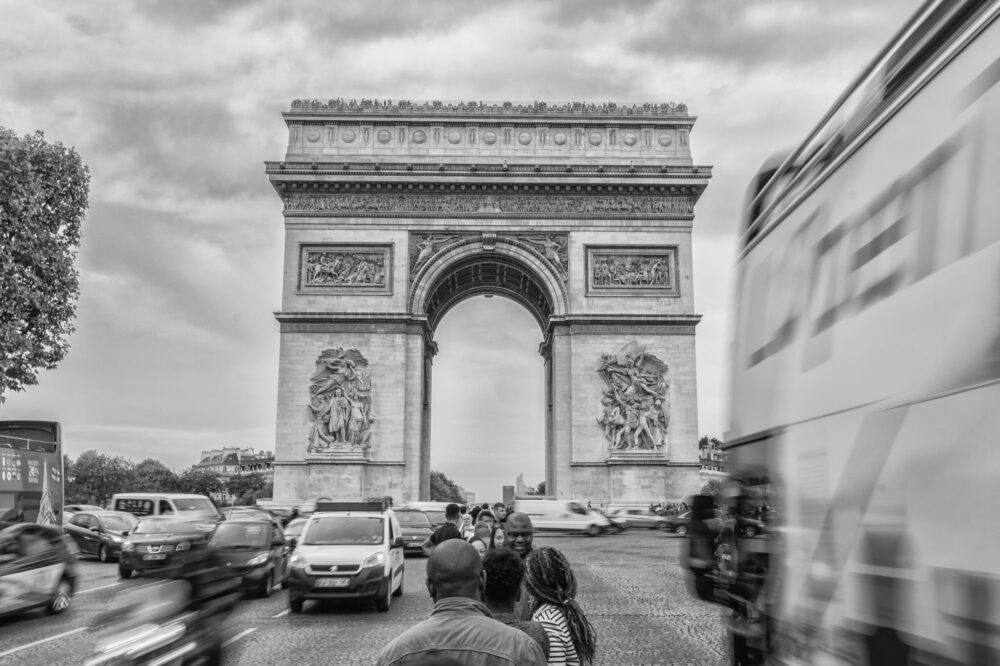
No list of best cities for a photography tour in France would be complete without Paris. The City of Light offers iconic landmarks, charming neighborhoods, and endless street photography opportunities.
Must-Photograph Spots in Paris
- Eiffel Tower – Capture it from Trocadéro for classic shots, or from Rue de l’Université for a more intimate perspective.
- Montmartre – Cobblestone streets, the Sacré-Cœur, and artists at work provide rich material for candid street photography.
- Le Marais – Historic architecture, trendy boutiques, and vibrant street art make this a versatile location.
- Seine River Banks – Early morning or golden hour light on the river and bridges creates magical reflections.
Photography Tips for Paris
Start your day at sunrise to avoid crowds, especially at popular spots like the Louvre Pyramid. Use a wide-angle lens for architecture and a fast prime lens for low-light street scenes. Don’t forget to look up – Parisian balconies, rooftops, and lampposts add character to your compositions.
Provence: Lavender Fields, Hilltop Villages, and Golden Light
Provence is a region, but its towns and landscapes are essential for any photography tour focused on natural beauty and rural charm. The best time to visit is late June to mid-July when lavender is in full bloom.
Top Photography Locations in Provence
- Valensole Plateau – Endless rows of lavender with distant mountains – best shot at sunrise or sunset.
- Gordes – A classic perched village with stone houses and a stunning abbey (Sénanque) surrounded by lavender.
- Roussillon – Famous for its ochre cliffs and colorful facades, perfect for abstract and texture shots.
- Arles – Roman ruins, Van Gogh’s inspirations, and lively markets offer a mix of history and culture.
Practical Notes for Provence
Rent a car to access remote fields and villages. Use a telephoto lens to compress rows of lavender and create depth. Be mindful of private property – stick to public paths. The mistral wind can be strong, so secure your tripod.
Nice and the French Riviera: Coastal Glamour and Vibrant Colors
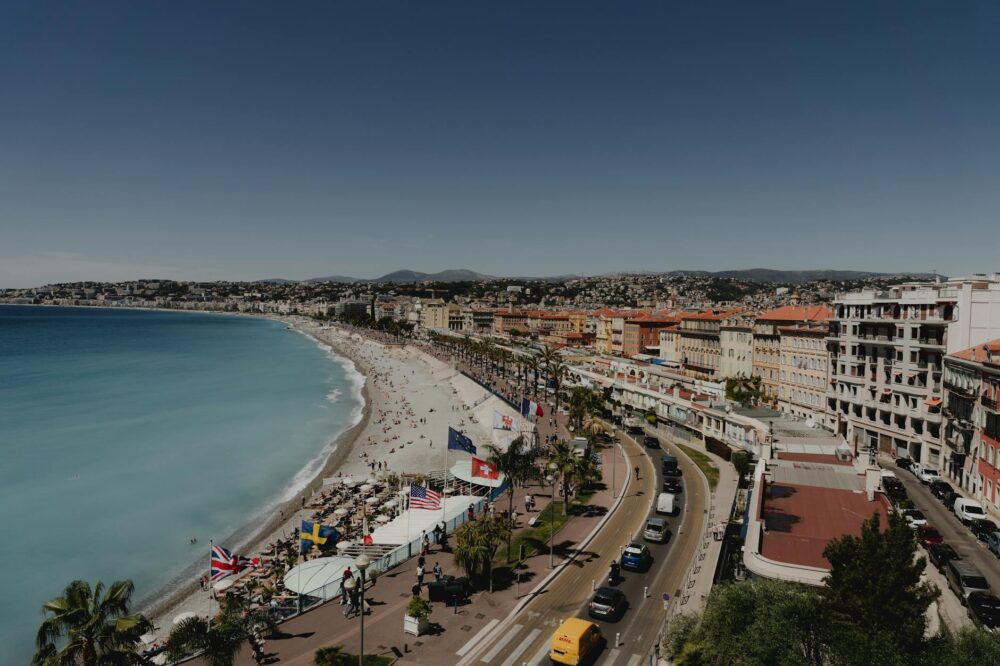
The French Riviera delivers a different palette: turquoise waters, pastel buildings, and glamorous harbors. Nice is the perfect base for exploring the coast.
Photography Hotspots on the Riviera
- Promenade des Anglais – The iconic seafront with its blue chairs and palm trees, especially beautiful at sunrise.
- Old Town (Vieux Nice) – Narrow streets, colorful facades, and bustling markets – ideal for street photography.
- Colline du Château – Panoramic views over the city and the Baie des Anges; best in late afternoon.
- Èze Village – A medieval village perched on a cliff with breathtaking sea views and a cactus garden.
When to Shoot on the Riviera
Avoid midday harsh light – focus on early morning and late afternoon. Use a polarizing filter to reduce glare on the water. For long exposures of the sea, bring a sturdy tripod and ND filters.
Bordeaux: Elegant Architecture and Vineyard Landscapes
Bordeaux is a UNESCO World Heritage city with 18th-century architecture, a vibrant riverfront, and surrounding vineyards that make it a rising star for photography tours.
What to Photograph in Bordeaux
- Place de la Bourse – The famous reflecting pool (Miroir d’Eau) creates stunning symmetrical reflections.
- La Cité du Vin – Modern architecture with curves and lights – great for abstract shots.
- Saint-Émilion – A medieval village and wine region just 40 minutes away, with rolling vineyards and ancient churches.
- Garonne River Banks – Wide promenades, bridges, and sunset colors offer dynamic compositions.
Tips for Bordeaux Photography
Visit the Miroir d’Eau early morning for mirror-like conditions without crowds. In Saint-Émilion, climb the bell tower for a panoramic view. A drone can capture the vineyard patterns beautifully, but check local regulations.
Lyon: A Hidden Gem for Urban and Culinary Photography
Lyon is often overlooked but offers a rich blend of Roman history, Renaissance architecture, and modern urban scenes. It’s also a food capital, making it perfect for food photography enthusiasts.
Key Photography Locations in Lyon
- Vieux Lyon – One of Europe’s largest Renaissance quarters, with traboules (hidden passageways) and colorful streets.
- Fourvière Hill – Basilica of Notre-Dame de Fourvière and Roman theaters – great for panoramic views.
- Presqu’île – The peninsula between two rivers, with elegant squares and the famous Lyon Opera House.
- Les Halles de Lyon – A food market where you can capture vibrant produce, cheeses, and pastries (ask permission for close-ups).
Photography Strategy for Lyon
Use the traboules to find unique perspectives and play with light and shadow. For food photography, natural light from market windows works best. A 24-70mm lens is versatile for both architecture and street scenes.
Strasbourg: Fairytale Architecture and Canal Charm
Strasbourg, in Alsace, feels like a storybook with its half-timbered houses, canals, and the majestic Gothic cathedral. It’s a compact city ideal for a focused photography tour.
What to Capture in Strasbourg
- La Petite France – The most photogenic district, with canals, bridges, and medieval houses.
- Strasbourg Cathedral – One of the tallest cathedrals in the world; capture it from the surrounding alleys for a dramatic perspective.
- Palais Rohan – Elegant 18th-century palace near the cathedral, with beautiful facades and gardens.
- Orangerie Park – A peaceful green space with a lake and storks – ideal for nature shots.
Best Times to Shoot in Strasbourg
The golden hour light on the half-timbered houses is magical. Winter brings Christmas markets (if that’s your interest), but autumn offers warm colors and fewer tourists. A tripod is useful for nighttime canal reflections.
Comparison Table: Top Cities at a Glance
| City | Best For | Ideal Season | Photography Style | Difficulty Level |
|---|---|---|---|---|
| Paris | Landmarks, street, architecture | Spring, fall | Urban, candid | Easy |
| Provence | Landscapes, villages, lavender | Late June – July | Landscape, macro | Moderate (car needed) |
| Nice / Riviera | Coastal, colorful streets | Spring, early fall | Seascape, street | Easy |
| Bordeaux | Classic architecture, vineyards | Spring, fall | Architecture, landscape | Moderate (vineyard trips) |
| Lyon | Renaissance, food, urban | Spring, fall | Urban, food | Easy |
| Strasbourg | Half-timbered houses, canals | Autumn, winter | Architecture, night | Easy |
Practical Checklist for Planning Your Photography Tour
Before you go, run through this checklist to ensure you capture the best images:
- Research sunrise/sunset times – Golden hour varies by season; plan accordingly.
- Scout locations on Google Earth or Instagram – Find angles and compositions ahead of time.
- Pack versatile gear – A wide-angle zoom (16-35mm) and a standard zoom (24-70mm) cover most situations. A telephoto (70-200mm) is useful for details and compression.
- Bring filters – Polarizer for skies and water, ND for long exposures.
- Check local photography rules – Some museums and churches prohibit tripods or flash.
- Stay flexible – Weather can change quickly; have backup indoor locations.
- Back up your images daily – Use a portable hard drive or cloud service.
Common Mistakes to Avoid on a Photography Tour in France
Even experienced photographers can fall into these traps. Avoid them to make the most of your trip:
- Overplanning every minute – Leave room for spontaneous discoveries; some of the best shots happen when you wander.
- Ignoring the weather – Overcast skies can be great for moody shots; rain can add reflections. Don’t cancel just because it’s not sunny.
- Staying only in tourist hotspots – Venture into residential neighborhoods or less-visited towns for unique images.
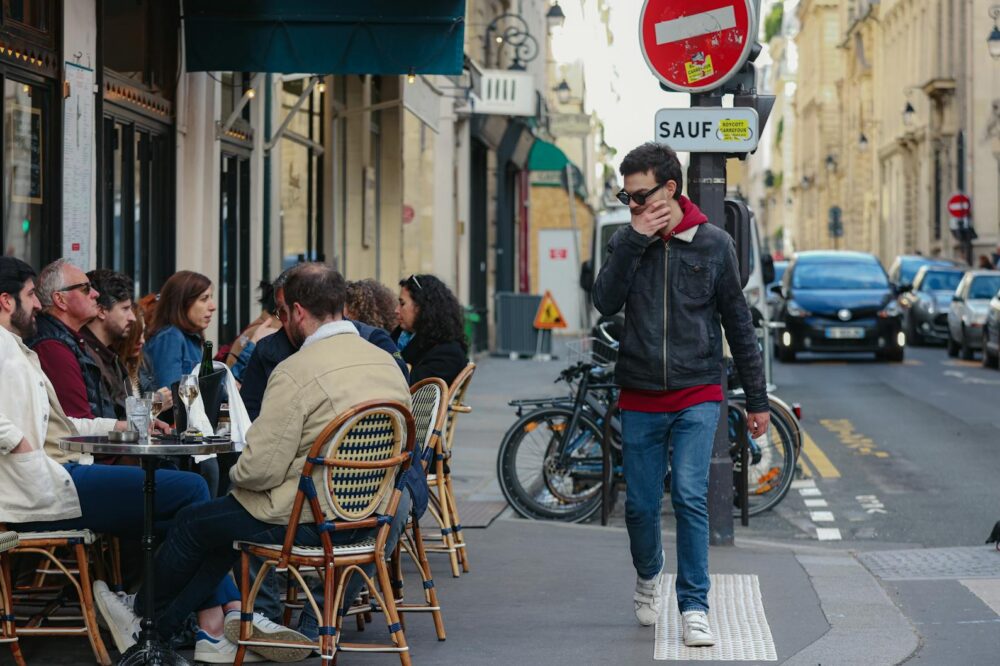
- Forgetting people – Including locals or travelers can add scale and story to your photos (ask permission when appropriate).
- Not adjusting for local light – Southern France has harsh midday sun; use it for high-contrast black and white or seek shade.
Frequently Asked Questions
What is the best time of year for a photography tour in France?
Spring (April–June) and fall (September–October) offer mild weather, pleasant light, and fewer crowds. For lavender, late June to mid-July is ideal. Winter can be magical for Christmas markets and snow-capped villages in the Alps.
Do I need a car for a photography tour in France?
Not necessarily. Major cities like Paris, Lyon, and Strasbourg are well-connected by train. However, for rural areas like Provence or the Loire Valley, a car gives you flexibility to reach remote viewpoints and vineyards.
What camera gear should I bring?
A versatile kit includes a wide-angle zoom (16-35mm), a standard zoom (24-70mm), and a telephoto (70-200mm). A tripod is essential for low light and long exposures. Don’t forget extra batteries and memory cards.
Is it safe to photograph in French cities?
Generally yes, but be aware of your surroundings, especially in crowded tourist areas where pickpocketing can occur. Keep your camera secure and avoid displaying expensive gear unnecessarily.
Can I use a drone for photography in France?
Drone use is heavily regulated. You need a license for drones over 250g, and flights are prohibited in many areas, including national parks, near airports, and over crowds. Always check local laws before flying.
How can I find unique photography spots beyond the famous landmarks?
Use local photography groups on social media, explore Google Maps for interesting streets, or hire a local photographer guide. Walking aimlessly often leads to the best discoveries.
Final Thoughts: Crafting Your Perfect Photography Tour
France offers an incredible range of photographic opportunities, from the romantic streets of Paris to the sun-drenched lavender fields of Provence. The best cities for a photography tour depend on your style: urban lovers will thrive in Paris and Lyon, while landscape enthusiasts should head to Provence and the Riviera. Whichever you choose, plan ahead but stay flexible, respect local customs, and always be ready to capture the unexpected. Pack your gear, book your ticket, and get ready to fill your memory cards with the beauty of France.
Photo by Veit Hammer on Unsplash
Great article! I’m planning a photography trip to France next spring. Would you recommend focusing on Paris and Provence, or should I also include the French Riviera?
Thank you! It depends on your interests. If you love urban and architectural shots, Paris is a must. For natural landscapes and rural charm, Provence is ideal. The Riviera offers coastal and vibrant color photography. If you have 10-14 days, you could combine two regions; with less time, pick one to avoid rushing.
I’m concerned about crowds in Paris. What’s the best time of day for street photography without too many people?
Early morning, around sunrise (6-7 AM in summer), is excellent for empty streets and soft light. Also, late evening after 9 PM can be quieter in some areas. Weekdays are generally less crowded than weekends. Consider exploring lesser-known neighborhoods like the 13th arrondissement for unique shots.
Is it easy to get around Provence without a car? I don’t drive.
It can be challenging. While some towns like Arles and Avignon are connected by train, many photogenic spots like the Valensole Plateau or Gordes are best reached by car. You could join a photography tour or hire a driver for specific days. Alternatively, focus on train-accessible towns like Aix-en-Provence.
Loved the tip about using a telephoto lens in Provence. What aperture do you recommend for lavender field shots?
For sweeping landscapes, f/8 to f/11 gives good depth of field. For compressed rows with a shallow depth of field, try f/2.8 to f/4 with a telephoto lens, focusing on a single row. Use a polarizing filter to reduce glare and enhance colors.
What about the mistral wind? How do you keep the camera stable?
The mistral can be strong, especially in Provence. Use a sturdy tripod with a hook to hang your bag for extra weight. Lower the tripod’s center column and avoid extending the legs fully. A remote shutter release also helps minimize vibration. If it’s too windy, try handheld shots with a fast shutter speed.
Do you have any advice for photographing the lavender fields without trespassing?
Definitely. Stick to public roads and designated paths. Many fields have clear signs; if not, avoid walking between rows. Use a telephoto lens to capture the lavender from a distance. Early morning or late afternoon light also reduces the need to go deep into fields for good composition.
I’m into abstract and texture photography. Which city would you suggest for that?
Roussillon in Provence is fantastic for abstract shots due to its ochre cliffs and colorful facades. Also, Le Marais in Paris offers interesting textures in its historic architecture and street art. For coastal abstracts, the rocky shores near Nice provide natural patterns.