
Table des matières:
Why France Doesn’t Have to Break the Bank in 2026
Traveling to France on a tight budget might sound like a contradiction, but it’s entirely possible—especially if you choose the right cities. While Paris is iconic, its prices can be daunting. However, France is dotted with cities that offer rich culture, history, and cuisine without the premium price tag. In 2026, with careful planning, you can explore charming towns and vibrant urban centers for under €70 per day. This guide reveals the best cities in France for a budget trip in 2026, focusing on affordable accommodation, cheap eats, free attractions, and smart travel hacks.
Top Affordable French Cities for 2026
We’ve selected cities based on cost of living, free activities, budget accommodation, and transport links. Each offers a unique slice of French life without the crowds and high prices of Paris or the Riviera.
1. Lyon: The Gastronomic Capital on a Budget
Lyon is a paradise for food lovers, but it’s surprisingly affordable. The city’s bouchons (traditional restaurants) offer set lunch menus for as low as €15. Many museums, like the Musée des Confluences, have free entry on the first Sunday of each month. Accommodation near the Part-Dieu station is reasonable, and the efficient metro keeps transport costs low.
- Budget tip: Eat at local markets like Marché de la Croix-Rousse for fresh, cheap produce.
- Free activity: Walk the Traboules (hidden passageways) in Vieux Lyon and admire Renaissance architecture.
- Average daily cost: €60-80 per person.
2. Toulouse: The Pink City’s Affordable Charm
Toulouse, known for its terracotta buildings, offers a vibrant student vibe and lower prices than many French cities. The Cité de l’Espace is a major attraction, but you can enjoy free sights like the Basilica of Saint-Sernin and the Capitole square. Budget hotels and hostels are plentiful near the central train station.
- Budget tip: Use the city’s VélôToulouse bike-sharing system for €1.50 per day.
- Free activity: Stroll along the Garonne River and explore the Carmes district.
- Average daily cost: €55-75 per person.
3. Montpellier: Sun, Culture, and Value
Montpellier combines Mediterranean sunshine with a lively student population, keeping prices low. The historic center is packed with free attractions like the Place de la Comédie and the Musée Fabre (free on the first Sunday). The nearby beaches are a short tram ride away, and budget accommodation is easy to find.
- Budget tip: Eat at the Marché du Lez, a street food market with cheap eats.
- Free activity: Climb to the top of the Peyrou Arc de Triomphe for panoramic views.
- Average daily cost: €50-70 per person.
4. Nantes: Creative and Cost-Effective
Nantes, a former industrial hub turned creative city, offers unique attractions like the Machines of the Isle of Nantes (tickets around €9) and many free museums. The city’s green spaces, such as the Jardin des Plantes, are perfect for picnics. Hotels near the train station are affordable, and the tram network is cheap.
- Budget tip: Buy a Nantes Pass for discounts on attractions and transport.
- Free activity: Visit the Château des Ducs de Bretagne (free entry to the courtyard and gardens).
- Average daily cost: €55-75 per person.
5. Lille: Northern Gem with Low Prices
Lille, close to the Belgian border, is often overlooked but offers excellent value. The Palais des Beaux-Arts is free on the first Sunday, and the old town’s cobbled streets are perfect for wandering. Budget hotels are plentiful, and the city’s beer culture means cheap drinks.
- Budget tip: Visit on a Tuesday or Saturday for the massive Wazemmes market.
- Free activity: Explore the Citadel of Lille and its surrounding park.
- Average daily cost: €50-70 per person.
6. Strasbourg: Affordable Alsatian Beauty
Strasbourg is famous for its Christmas market, but it’s a year-round budget destination. The Cathedral of Notre-Dame is free, and the Petite France district is a joy to explore on foot. Budget hotels are available near the train station, and the tram system is efficient.
- Budget tip: Eat at a winstub (traditional Alsatian bistro) for hearty, cheap meals.
- Free activity: Walk along the Ill River and cross the covered bridges.
- Average daily cost: €60-80 per person.
How to Save Money in French Cities: A Practical Checklist
Maximize your budget with these proven strategies:
- Travel off-peak: Visit in shoulder seasons (April-May or September-October) for lower prices on flights and accommodation.
- Use public transport: Most cities have affordable day passes (around €5-7). Walk or bike to save even more.
- Eat like a local: Avoid touristy areas. Look for lunch menus (formules) that include a starter, main, and drink for €12-18.
- Free attractions: Many museums offer free entry on the first Sunday of the month. Check city tourism websites for free walking tours.
- Accommodation hacks: Stay in hostels, budget hotels (like Ibis Budget), or rent an apartment via Airbnb for longer stays.
- City passes: If you plan to visit many attractions, a city pass can save money. For example, the Lyon City Card offers free transport and museum entry.
Comparison: Budget Cities vs. Paris
To put things in perspective, here’s a quick comparison of daily costs:
| City | Budget Accommodation (per night) | Cheap Meal | Public Transport Day Pass | Average Daily Total |
|---|---|---|---|---|
| Paris | €80-120 | €20-30 | €8.45 | €120-180 |
| Lyon | €50-70 | €12-18 | €6.50 | €60-80 |
| Toulouse | €45-65 | €10-15 | €5.50 | €55-75 |
| Montpellier | €40-60 | €10-15 | €5.20 | €50-70 |
| Nantes | €45-65 | €12-16 | €5.80 | €55-75 |
| Lille | €40-60 | €10-14 | €5.40 | €50-70 |
| Strasbourg | €50-70 | €12-18 | €6.00 | €60-80 |
Common Mistakes to Avoid on a Budget Trip to France
Even savvy travelers can overspend. Watch out for these pitfalls:
- Eating near major attractions: Restaurants in tourist hotspots charge 20-30% more. Walk a few blocks away for better prices.
- Not using public transport: Taxis and rideshares are expensive. Trains, trams, and buses are much cheaper and often faster.
- Overpacking your itinerary: Trying to see too many cities in one trip increases transport costs. Focus on 2-3 cities and explore them deeply.
- Ignoring free events: Many cities have free festivals, concerts, and exhibitions. Check local event calendars.
- Buying bottled water: Tap water in France is safe and free. Carry a reusable bottle.
Frequently Asked Questions About Budget Travel in France
What is the cheapest city in France for a budget trip in 2026?
Montpellier and Lille are typically the cheapest, with daily costs around €50-70 per person. Both offer free attractions and affordable dining.
Can I visit Paris on a budget?
Yes, but it’s harder. Stay in budget hotels outside the city center, use the metro, eat at bakeries and markets, and take advantage of free museum days. Expect to spend at least €80-100 per day.
Are there free walking tours in French cities?
Many cities offer free walking tours (tip-based). Look for them in Lyon, Toulouse, Montpellier, and Strasbourg. They’re a great way to learn about the city without spending much.
What is the best time to visit France on a budget?
April-May and September-October offer mild weather, fewer crowds, and lower prices. Avoid July-August when domestic tourists flock to the coast and prices spike.
How can I save on accommodation in France?
Book hostels, budget hotel chains (Ibis Budget, B&B Hotels), or Airbnb rooms. Consider staying slightly outside the city center where prices drop significantly.
Is it cheaper to travel by train or bus between French cities?
Buses (FlixBus, BlaBlaBus) are cheaper than trains, especially if booked in advance. Trains (TGV, TER) are faster but more expensive. For budget trips, buses are the way to go.
Final Thoughts: Your Affordable French Adventure Awaits
France is full of incredible destinations that won’t drain your wallet. By choosing cities like Lyon, Toulouse, Montpellier, Nantes, Lille, or Strasbourg, you can enjoy rich culture, delicious food, and beautiful sights without overspending. Remember to travel off-peak, use public transport, and seek out free activities. The best cities in France for a budget trip in 2026 are those that offer authentic experiences at a fraction of the cost of Paris. Start planning now, and you’ll discover that a French adventure is more affordable than you ever imagined. Bon voyage!
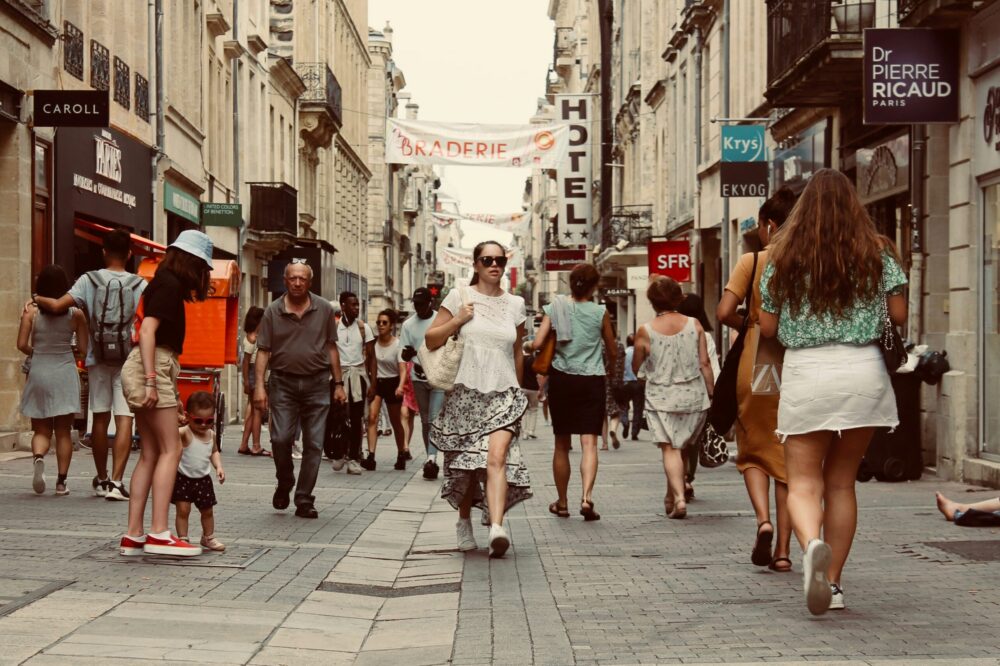
Photo by Mathias Reding on Unsplash
I’ve been considering Lyon for a budget trip in 2026. Are the set lunch menus really as cheap as €15, and do they include drinks?
Yes, many bouchons in Lyon offer lunch menus (formule déjeuner) starting around €15, which typically includes an entrée, main course, and sometimes a dessert. Drinks like water or a small carafe of wine are often extra, but you can ask for tap water (carafe d’eau) for free. Check menus posted outside to confirm.
Great article! For Montpellier, is the tram ride to the beaches included in the same ticket as the city transport, or do you need a separate pass?
The tram line 3 goes directly to the beaches (e.g., Palavas-les-Flots), and a single ticket (€1.60 in 2025) works for the entire journey within the network. You can also buy a day pass for unlimited travel. No separate pass needed for the beach tram.