
Table des matières:
Your Perfect Weekend Escape: France’s Top City Breaks for 2026
Planning a weekend break in France in 2026? Whether you crave culture, cuisine, or coastal views, France offers an array of cities perfect for a short escape. This guide ranks the best destinations based on accessibility, attractions, and unique experiences. From the timeless allure of Paris to the sun-drenched Riviera, here are the cities that promise an unforgettable 48 hours.
Why Choose France for a Weekend Break?
France combines world-class art, gastronomy, and history within easy reach. High-speed TGV trains connect major cities, making weekend trips efficient. Plus, each city has a distinct personality—romantic, trendy, historic, or laid-back. In 2026, new direct flights and improved rail lines will make travel even smoother. Whether you’re a first-time visitor or a seasoned traveler, France’s cities offer fresh discoveries every time.
The Rise of Weekend City Breaks in France
Short breaks have surged in popularity, especially for travelers seeking immersive experiences without lengthy travel. France’s compact city centers and walkable streets are ideal for a two-day itinerary. In 2026, expect more boutique hotels, pop-up food markets, and cultural festivals tailored to weekend visitors.
Top 7 Best Cities in France for a Weekend Break in 2026
Here are our top picks, each offering a unique slice of French life. We’ve included practical tips to help you decide.
1. Paris: The Timeless Classic
Why it’s great: The City of Light needs no introduction. Iconic landmarks like the Eiffel Tower, Louvre, and Notre-Dame (reopening in 2024) make it a must-see. For a weekend, focus on a single arrondissement to avoid fatigue. The Marais offers trendy boutiques and cafes; Montmartre gives bohemian vibes with Sacré-Cœur views.
Practical tips: Book museum tickets in advance. Use the Metro or walk—it’s the best way to soak in the atmosphere. For a local experience, explore the Canal Saint-Martin area on a Sunday afternoon.
2. Lyon: The Gastronomic Capital
Why it’s great: Food lovers flock to Lyon for its bouchons (traditional eateries) and world-class markets. The city’s UNESCO-listed old town (Vieux Lyon) and Traboules (hidden passageways) add historical charm. In 2026, Lyon will host the Fête des Lumières in December, but weekends are less crowded in spring and fall.
Practical tips: Take a food tour to sample local specialties like quenelles and praline tarts. Stay in the Presqu’île district for central access. The TGV from Paris takes just 2 hours.
3. Nice: The Riviera Gem
Why it’s great: Nice offers Mediterranean beauty with a vibrant old town (Vieux Nice) and the famous Promenade des Anglais. Weekend visitors can explore the Cours Saleya market, visit the Marc Chagall Museum, and enjoy a swim at a pebble beach. In 2026, Nice’s new eco-friendly tram line makes getting around easier.
Practical tips: Visit in shoulder season (May or September) for pleasant weather and fewer crowds. Take a day trip to nearby Èze or Monaco if you have extra time.
4. Bordeaux: Wine and Architecture
Why it’s great: Bordeaux is synonymous with wine, but its 18th-century architecture and lively quays are equally impressive. The Cité du Vin museum offers an interactive wine experience. Weekend itineraries can include a wine tasting in the Saint-Émilion region, just 30 minutes away.
Practical tips: Rent a bike to explore the city’s flat streets. Book a wine tour in advance. The new LGV Sud-Ouest high-speed line (expected 2024-2026) will cut travel time from Paris to just over 2 hours.
5. Marseille: The Multicultural Port
Why it’s great: France’s oldest city offers a gritty, authentic charm. The Vieux Port, Le Panier district, and the stunning Calanques national park are highlights. Marseille’s diverse food scene includes bouillabaisse and North African influences. In 2026, the city will celebrate its status as European Capital of Culture (a legacy continues).
Practical tips: Use the hop-on-hop-off bus to cover ground. For a unique view, take a boat trip to the Frioul Islands. Avoid the northern districts for safety.
6. Strasbourg: The Fairy-Tale Border City
Why it’s great: Strasbourg blends French and German cultures, with its half-timbered houses, Gothic cathedral, and canals. The Petite France district is perfect for a romantic stroll. In 2026, the Christmas market (if visiting in December) remains one of Europe’s best, but weekends in spring are also magical.
Practical tips: Take a boat tour on the Ill River. Try tarte flambée and local Alsatian wines. The city is walkable, but a tram pass is useful for longer distances.
7. Toulouse: The Pink City
Why it’s great: Toulouse is known for its terracotta brick architecture, aerospace industry, and vibrant student life. The Capitole square, Saint-Sernin basilica, and Canal du Midi are top sights. In 2026, the city will host the Rugby World Cup (though matches are in 2023, the legacy continues), making it a lively destination.
Practical tips: Visit the Cité de l’Espace for space enthusiasts. Explore the Carmes district for dining. The city’s metro system is efficient.
How to Choose the Right City for Your Weekend Break
Consider your interests and travel style. Here’s a quick comparison table to help:
| City | Best For | Travel Time from Paris (TGV) | Average Hotel Price (per night) |
|---|---|---|---|
| Paris | Culture, romance, landmarks | N/A | €150-300 |
| Lyon | Food, history, walking | 2 hours | €100-200 |
| Nice | Beach, art, coastal views | 5.5 hours (TGV) | €120-250 |
| Bordeaux | Wine, architecture, shopping | 2 hours (from 2026) | €90-180 |
| Marseille | Culture, nature, food | 3.5 hours | €80-150 |
| Strasbourg | Christmas markets, history | 1.5 hours | €100-200 |
| Toulouse | Space, student vibe, canal | 4.5 hours | €70-130 |
Practical Tips for a Weekend Break in France
- Book early: Popular cities like Paris and Nice fill up fast on weekends. Reserve hotels and train tickets at least 2-3 months ahead.
- Pack light: You’ll be walking a lot. A carry-on suitcase or backpack is ideal.
- Learn basic French: A simple “bonjour” and “merci” go a long way.
- Use public transport: Most cities have efficient metro, tram, or bus networks. Consider a day pass.
- Dine like a local: Avoid tourist traps near major landmarks. Head to side streets for authentic cuisine.
- Check event calendars: In 2026, Lyon’s Fête des Lumières (December 5-8) and Nice’s Carnival (February) are highlights but can be crowded.
Mistakes to Avoid When Planning a Weekend City Break in France
- Overpacking the itinerary: You can’t see everything in 48 hours. Choose 2-3 key attractions per day and leave time for spontaneous exploration.
- Ignoring travel time: Factor in airport transfers, train station queues, and jet lag if coming from afar.
- Skipping local experiences: Instead of rushing to museums, spend an hour at a café people-watching or visit a local market.
- Forgetting to validate train tickets: In France, you must validate (composter) your ticket before boarding regional trains, or risk a fine.
- Not checking opening hours: Many shops close on Sundays and Mondays, especially outside Paris. Plan accordingly.
Frequently Asked Questions
What is the best city in France for a weekend break for first-timers?
Paris is the safest bet for first-timers due to its iconic sights and excellent infrastructure. However, if you prefer a more relaxed pace, Lyon or Bordeaux offer a quintessential French experience with fewer crowds.
How many days do you need for a weekend break in France?
A typical weekend break lasts 2-3 days (Friday to Sunday or Saturday to Monday). This is enough to explore the main sights and get a feel for the city without rushing.
What is the cheapest city in France for a weekend break?
Toulouse and Marseille are generally more affordable than Paris or Nice. Accommodation and dining costs are lower, and many attractions are free or cheap.
Is it better to travel by train or fly for a weekend break in France?
For distances under 5 hours, the TGV train is often faster and more convenient when you factor in airport transfers. For cities like Nice or Marseille from Paris, the train is recommended. For longer distances or if coming from abroad, flying may be necessary.
What should I pack for a weekend break in France?
Pack versatile clothing suitable for walking, a light jacket (even in summer for evenings), comfortable shoes, a reusable water bottle, and a universal power adapter. If visiting in winter, include layers and a scarf.
Can I visit multiple cities in one weekend?
It’s possible but not recommended. You’ll spend more time traveling than exploring. Stick to one city or a nearby day trip (e.g., Nice to Monaco).
Final Thoughts: Your 2026 Weekend Awaits
France’s cities offer endless possibilities for a memorable weekend break in 2026. Whether you choose the romance of Paris, the flavors of Lyon, the sunshine of Nice, or the wine of Bordeaux, each destination promises a unique blend of culture, cuisine, and charm. Plan ahead, pack light, and leave room for spontaneity. Your perfect French weekend is just a booking away. Start planning now—2026 will be here before you know it.
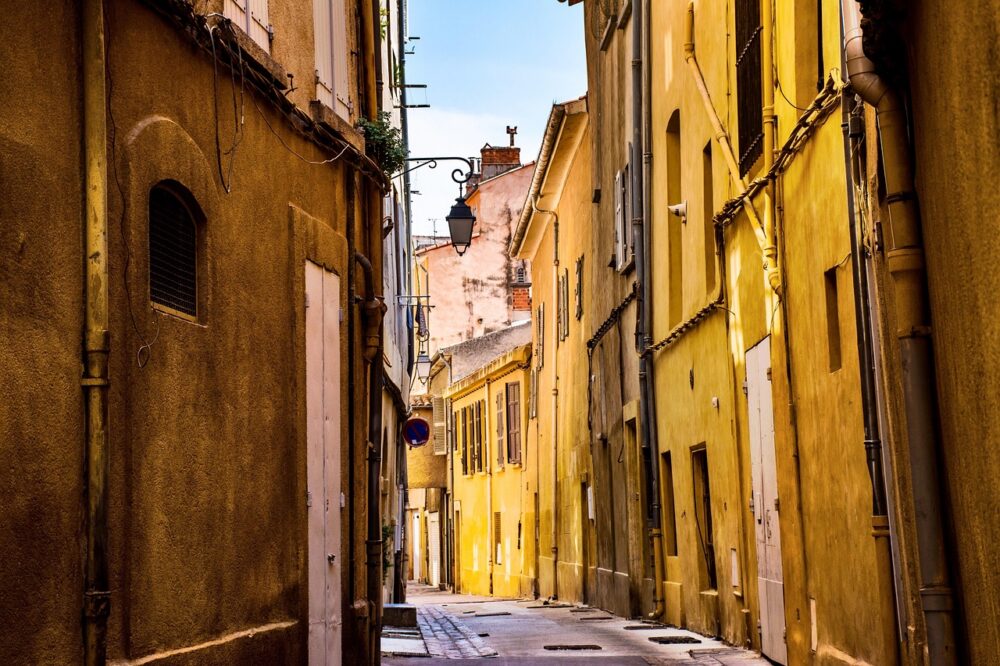
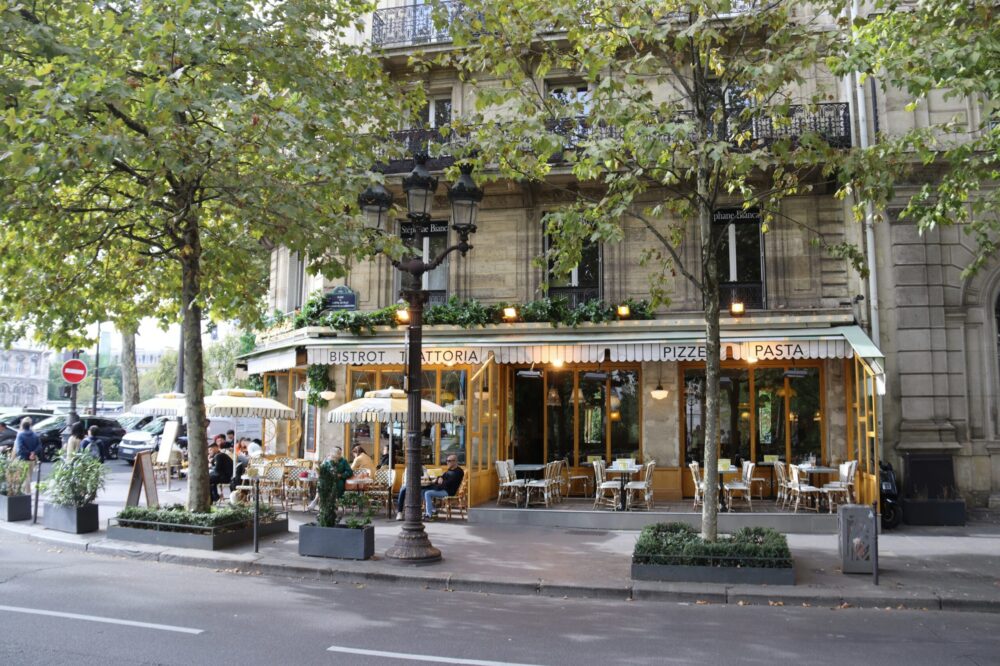
Photo by Lens_and_Light on Pixabay
Great list! I’m planning a weekend in Lyon in spring 2026. Are there any specific food markets you’d recommend visiting on a Saturday morning?
For a Saturday morning, head to the Marché Saint-Antoine on the Presqu’île or the Marché de la Croix-Rousse. Both offer excellent local produce and specialties. The Halles de Lyon Paul Bocuse is also a must for indoor market browsing.
Nice sounds lovely, but I’m worried about crowds in summer. Would early June be a good compromise for decent weather and fewer tourists?
Early June is a great choice for Nice. The weather is warm but not too hot, and the summer crowds haven’t fully arrived yet. You’ll enjoy the beaches and old town without the peak-season hustle.
For Paris, you mentioned focusing on one arrondissement. Which one would you recommend for a first-time visitor who wants to see both iconic sights and local life?
For a first-time visitor, the 7th arrondissement is ideal. It offers the Eiffel Tower, Rue Cler market street, and quiet residential charm. Alternatively, the Marais (4th) blends historic sites like Place des Vosges with trendy boutiques and cafes.