
Table des matières:
Why France Is a Top Destination for History Lovers
France offers an unparalleled depth of historical sites, from prehistoric caves to Roman amphitheaters, medieval fortresses, and Renaissance châteaux. For anyone asking what are the best cities in France for a historical tour, the answer depends on which era fascinates you most. This guide covers the essential cities, practical tips, and lesser-known spots to help you plan an unforgettable journey through French history.
Paris: The Timeless Capital of History
No historical tour of France is complete without Paris. The city’s layers of history are visible at every turn.
Must-See Historical Sites in Paris
- Notre-Dame Cathedral – Gothic masterpiece under restoration, still awe-inspiring from outside.
- The Louvre – From medieval fortress to world’s largest museum, housing the Mona Lisa and ancient artifacts.
- Conciergerie – Former prison where Marie Antoinette was held.
- Musée Carnavalet – Free museum dedicated to the history of Paris.
Practical tip: Avoid long lines by booking timed tickets online. The Paris Museum Pass can save money and time if you plan to visit multiple sites.
Lyon: A Roman and Renaissance Treasure
Lyon boasts two UNESCO World Heritage sites: the historic center and the Roman theaters. It’s a top answer to what are the best cities in France for a historical tour if you want to combine ancient and Renaissance history.
Key Historical Attractions in Lyon
- Théâtre Romain de Fourvière – Well-preserved Roman theater with panoramic city views.
- Vieux Lyon – Europe’s largest Renaissance district, with traboules (hidden passageways).
- Basilique Notre-Dame de Fourvière – 19th-century basilica on the Roman hill.
- Musée Gallo-Romain – Fascinating collection of Roman artifacts.
Mistake to avoid: Don’t skip the traboules – join a guided tour to access the most impressive ones.
Avignon: The City of Popes
Avignon was the seat of the Catholic papacy in the 14th century. Its fortified palace is one of the largest Gothic buildings in the world.
What to See in Avignon
- Palais des Papes – Monumental papal palace with audio-guided tours.
- Pont Saint-Bénézet – The famous broken bridge with a chapel.
- Rocher des Doms – Gardens with views of the Rhône.
Insider tip: Visit during the Avignon Festival in July for a vibrant mix of history and performing arts.
Carcassonne: A Medieval Fortress City
Carcassonne is the quintessential medieval walled city, restored in the 19th century. It’s a must for anyone researching what are the best cities in France for a historical tour focused on the Middle Ages.
Highlights of Carcassonne
- La Cité – The fortified inner city with double walls and 52 towers.
- Château Comtal – Castle within the walls, with a museum on medieval siege warfare.
- Basilique Saint-Nazaire – Gothic and Romanesque stained glass.
Practical note: The city is very popular in summer; arrive early morning or late afternoon to avoid crowds.
Nîmes: The Roman Outpost
Nîmes is home to some of the best-preserved Roman monuments outside Italy. If you’re a fan of ancient history, this city should be high on your list.
Roman Sites in Nîmes
- Arènes de Nîmes – A well-preserved Roman amphitheater still used for concerts.
- Maison Carrée – A perfectly preserved Roman temple, now a museum.
- Tour Magne – Part of the Roman city walls, offering panoramic views.
- Pont du Gard – Nearby Roman aqueduct, a short drive away.
Strasbourg: A Blend of French and German Heritage
Strasbourg’s history is marked by its location on the Rhine border. Its cathedral and medieval quarter are UNESCO-listed.
Historical Attractions in Strasbourg
- Cathédrale Notre-Dame – Gothic masterpiece with an astronomical clock.
- La Petite France – Half-timbered houses and canals.
- Palais Rohan – Former residence of prince-bishops, housing three museums.
- European Parliament – Modern history meets the old city.
Quick tip: Climb the cathedral platform for a stunning view of the city and the Black Forest on clear days.
Bordeaux: From Roman City to Enlightenment Capital
Bordeaux’s historic center is a UNESCO site thanks to its 18th-century architecture, but its history goes back to Roman times.


Historical Highlights in Bordeaux
- Place de la Bourse – Iconic 18th-century square with reflecting pool.
- Porte Cailhau – Medieval city gate.
- Grosse Cloche – Belfry from the 15th century.
- Musée d’Aquitaine – Traces regional history from prehistory to modern times.
Other Notable Historical Cities
Beyond the major names, several smaller cities offer rich history without the crowds.
Dijon
Capital of the Dukes of Burgundy, Dijon has a well-preserved medieval and Renaissance center. Don’t miss the Palace of the Dukes and the Owl’s Trail.
Reims
Reims Cathedral is where French kings were crowned. The city also has Roman gates and a fascinating Palace of Tau museum.
Aix-en-Provence
Founded by Romans, Aix is known for its thermal baths, Cours Mirabeau, and the atelier of Paul Cézanne.
How to Choose the Best Cities for Your Historical Tour
To decide what are the best cities in France for a historical tour for your specific trip, consider these factors:
| Era of Interest | Best Cities |
|---|---|
| Roman | Nîmes, Lyon, Arles, Orange |
| Medieval | Carcassonne, Avignon, Strasbourg, Dijon |
| Renaissance | Lyon, Paris, Chambord (Loire Valley) |
| 18th-19th Century | Bordeaux, Paris, Reims |
Practical Checklist for Planning Your Historical Tour
- ☐ Book museum passes in advance (Paris Museum Pass, Lyon City Card).
- ☐ Check opening hours – many sites close on Mondays or for lunch.
- ☐ Consider guided tours for deeper insights, especially at Roman sites.
- ☐ Travel between cities by train (TGV) for speed and comfort.
- ☐ Learn a few French phrases – locals appreciate the effort.
- ☐ Pack comfortable walking shoes – historical centers are often cobblestoned.
Frequently Asked Questions
What is the best time of year for a historical tour of France?
Spring (April–June) and fall (September–October) offer mild weather and fewer tourists. Summer can be crowded and hot, especially in southern cities.
How many cities should I visit in one trip?
For a 10-day trip, focus on 3–4 cities to avoid rushing. For example: Paris, Lyon, Avignon, and Carcassonne.
Are there any hidden gem historical cities in France?
Yes, consider Albi (red-brick cathedral), Périgueux (Roman ruins), and Troyes (medieval half-timbered houses).
Is it better to drive or take the train for a historical tour?
Trains are excellent for city-to-city travel. Driving is useful for visiting small towns and châteaux in the countryside.
Do I need to speak French to enjoy a historical tour?
Not necessarily, but knowing basic phrases like “bonjour” and “merci” enhances the experience. Major sites have English audio guides.
What is the most historically significant city in France?
Paris is the most significant overall due to its concentration of monuments, museums, and its role in national history, but cities like Lyon and Avignon are equally rich in specific eras.
Final Thoughts on the Best Historical Cities in France
Choosing what are the best cities in France for a historical tour ultimately depends on your interests. Whether you’re drawn to Roman engineering, medieval fortifications, or Renaissance art, France has a city that will captivate you. Plan ahead, stay curious, and allow yourself to wander – some of the best historical discoveries happen when you turn down a narrow street or strike up a conversation with a local guide. Bon voyage!
Photo by Ally Griffin on Unsplash

Great overview! I’m planning a trip focused on Roman history. Would you recommend Lyon or Nîmes for that?
Both are excellent for Roman history. Lyon has the Théâtre Romain de Fourvière and the Musée Gallo-Romain, while Nîmes offers the Arena and Maison Carrée. If you want a compact city with multiple Roman sites within walking distance, Nîmes is ideal. Lyon gives you Roman plus Renaissance layers.
Thanks for the tip about booking timed tickets for Paris. Is the Paris Museum Pass worth it for a 5-day historical tour?
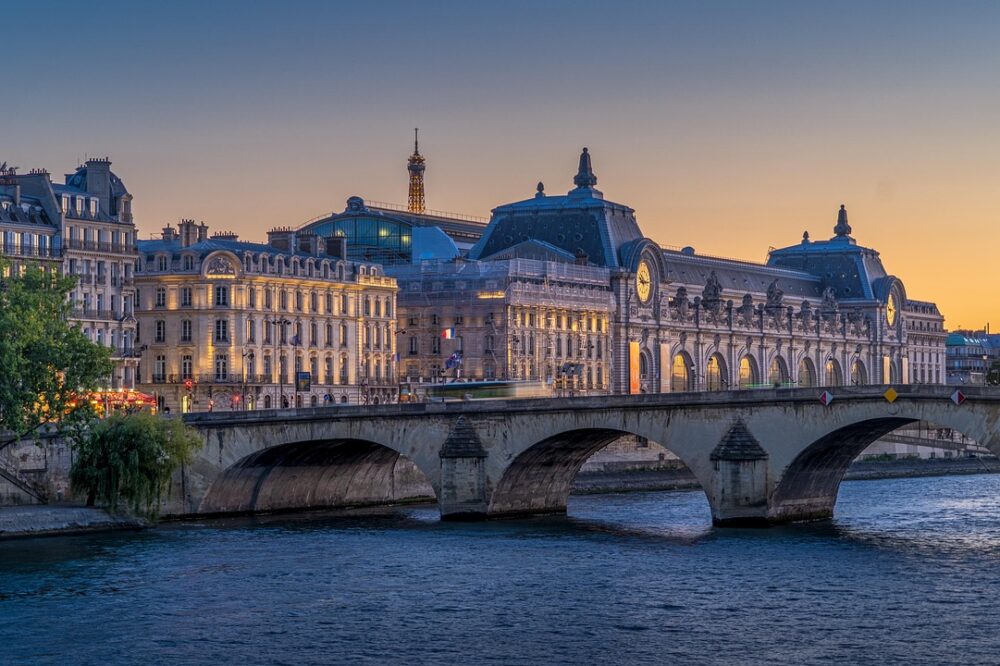
Yes, it can be cost-effective if you plan to visit at least 3-4 major museums or monuments. For a 5-day trip focused on history, you’d likely cover the Louvre, Musée d’Orsay, Sainte-Chapelle, and more, so the pass saves both money and time with skip-the-line access.
I’ve heard Carcassonne can be very crowded. Are there any nearby less-visited medieval sites?
Absolutely. Consider visiting the Château de Peyrepertuse or the Château de Quéribus, both Cathar castles in the Corbières region. They are less crowded and offer dramatic ruins with great views. Also, the medieval city of Minerve is charming and quieter.
For Avignon, do you recommend staying inside the city walls or outside for a historical tour?
Staying inside the walls is more convenient for walking to the Palais des Papes and other sites. It immerses you in the historic atmosphere. However, it can be pricier. Outside the walls offers more affordable options and easy bus access to the center.
What about the prehistoric caves? Are there any near these cities?
The most famous prehistoric caves are in the Dordogne region, like Lascaux IV near Montignac. From the cities listed, you could base yourself in Lyon and drive to the Ardèche region to see the Chauvet Cave replica. It’s a longer day trip but feasible.
I’m interested in Renaissance history. Besides Lyon, are there other cities you’d recommend?
Yes, the Loire Valley châteaux (like Chambord and Chenonceau) are Renaissance gems. Tours and Blois are great bases. Also, Fontainebleau near Paris has a stunning Renaissance palace. These offer a different perspective from Lyon’s urban Renaissance.
The article mentions the Avignon Festival. Is July a good time for history touring despite the crowds?
July can be very crowded and hot, but the festival adds a vibrant cultural layer. If you enjoy performing arts and don’t mind crowds, it’s a unique experience. For quieter history touring, consider May-June or September-October.
Practical question: How many days would you recommend for a historical tour covering Paris, Lyon, and Avignon?
I’d suggest at least 4 days for Paris, 2 for Lyon, and 2 for Avignon. This gives you enough time to see the main sites without rushing. Add travel days between cities. So a 10-day itinerary would be comfortable.