
Last updated on May 3rd, 2026 at 10:52 pm
France is synonymous with gastronomy and viticulture, making it a top destination for travelers seeking a food and wine tour. Whether you’re a seasoned epicurean or a curious beginner, choosing the right cities can make or break your experience. This guide highlights the best cities for a food and wine tour, offering practical advice, hidden gems, and expert recommendations to help you plan an unforgettable journey.
Table des matières:
Why France for a Food and Wine Tour?
France’s culinary reputation is unmatched, with each region boasting distinct traditions, ingredients, and wines. From the buttery croissants of Paris to the robust reds of Bordeaux, the country offers a sensory feast. A well-planned tour lets you explore local markets, dine at Michelin-starred restaurants, visit vineyards, and learn from passionate artisans. But not all cities are equal—some are better suited for wine enthusiasts, while others excel in street food or haute cuisine.
Top Cities for a Food and Wine Tour in France
Paris: The Epicurean Capital
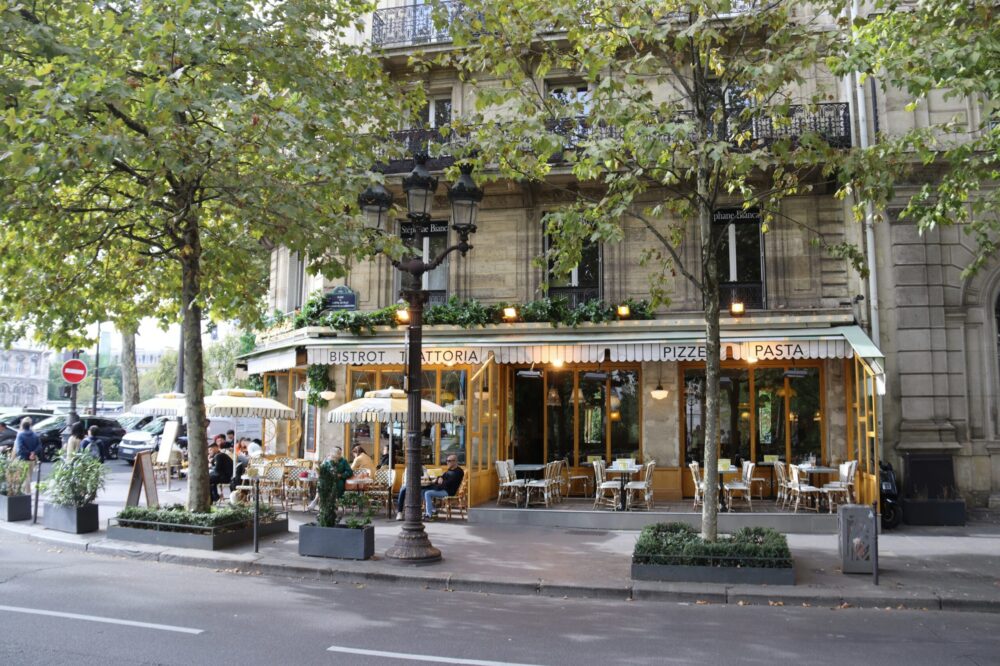
Paris is a must for any food lover. Beyond the Eiffel Tower, the city offers world-class patisseries, from Pierre Hermé to Ladurée, and bustling food markets like Marché d’Aligre. For wine, explore the caves à vin (wine bars) in the Marais or take a Seine-side wine tasting. Don’t miss the Latin Quarter for affordable bistros and the Saint-Germain-des-Prés area for classic French dining.
- Must-try: Escargots, boeuf bourguignon, and macarons.
- Wine tip: Sample Burgundy and Loire Valley wines at a dedicated wine bar.
- Mistake to avoid: Overlooking neighborhood bistros for touristy spots near major attractions.
Lyon: The Gastronomic Heart
Often called the gastronomic capital of France, Lyon is a paradise for foodies. The city’s bouchons (traditional restaurants) serve hearty Lyonnaise cuisine like quenelles and andouillette. Visit the Les Halles de Lyon Paul Bocuse market for local cheeses, charcuterie, and fresh produce. Wine lovers can explore the nearby Beaujolais and Côtes du Rhône regions.
- Must-try: Lyonnaise salad, coq au vin, and praline tarts.
- Wine tip: Pair dishes with a local Côtes du Rhône or Beaujolais Nouveau.
- Mistake to avoid: Skipping the traboules (hidden passageways) that lead to charming food spots.
Bordeaux: The Wine Lover’s Dream
Bordeaux is synonymous with world-class wine. The city itself is a UNESCO World Heritage site, and the surrounding vineyards produce legendary reds. Take a wine tour of the Médoc or Saint-Émilion, and visit the Cité du Vin museum for an immersive experience. Food-wise, try cannelés and fresh oysters from the Arcachon Basin.
- Must-try: Cannelés, entrecôte with Bordelaise sauce, and oysters.
- Wine tip: Book a tasting at a château in advance; many require reservations.
- Mistake to avoid: Only tasting red wines—Bordeaux also produces excellent whites and Sauternes.
Marseille: A Mediterranean Melting Pot
Marseille offers a different flavor profile, influenced by North African and Mediterranean cuisines. The city’s iconic dish is bouillabaisse, a fish stew served with rouille. Visit the Vieux Port for seafood and the Noailles district for North African spices and pastries. Wine-wise, explore the nearby Cassis region for crisp white wines.
- Must-try: Bouillabaisse, panisse, and navette cookies.
- Wine tip: Pair seafood with a chilled Cassis blanc or a rosé from Provence.
- Mistake to avoid: Ordering bouillabaisse at a tourist trap; seek a traditional bouillon.
Burgundy (Dijon): For Wine and Mustard Lovers
The Burgundy region, centered around Dijon, is famous for its Pinot Noir and Chardonnay. Dijon itself is known for mustard, but also offers boeuf bourguignon and pain d’épices (gingerbread). Take a wine tour of the Côte de Nuits and Côte de Beaune.
- Must-try: Boeuf bourguignon, escargots, and Dijon mustard.
- Wine tip: Taste wines at a caveau (wine cellar) in the village of Gevrey-Chambertin.
- Mistake to avoid: Not exploring the lesser-known appellations like Marsannay.
Champagne (Reims): The Bubbly Capital
For sparkling wine enthusiasts, Reims is a must. Visit the cellars of major houses like Moët & Chandon or smaller growers. The city also offers gastronomic delights: jambon de Reims and biscuits roses. Pair your Champagne with local cheeses like Chaource.
- Must-try: Pink biscuits, Reims ham, and Champagne.
- Wine tip: Book a tour at a smaller producer for a more intimate experience.
- Mistake to avoid: Only visiting big houses; family-run estates often provide better value.
How to Choose the Best City for Your Tour
Consider your preferences: Are you a wine connoisseur, a food adventurer, or both? Use this checklist to decide:
| City | Best For | Signature Wine | Signature Dish |
|---|---|---|---|
| Paris | Pastries, bistros, wine bars | Burgundy, Loire | Escargots, macarons |
| Lyon | Traditional cuisine, bouchons | Beaujolais, Côtes du Rhône | Quenelles, coq au vin |
| Bordeaux | Red wine, châteaux | Bordeaux reds, Sauternes | Cannelés, oysters |
| Marseille | Seafood, North African flavors | Cassis, Provence rosé | Bouillabaisse, panisse |
| Dijon | Pinot Noir, Chardonnay | Burgundy | Boeuf bourguignon |
| Reims | Champagne, sparkling wine | Champagne | Jambon de Reims |
Practical Tips for Your Food and Wine Tour
To make the most of your trip, keep these tips in mind:
- Plan ahead: Many top restaurants and wine tastings require reservations weeks in advance.
- Learn basic French phrases: Locals appreciate efforts like bonjour and merci.
- Explore markets: Visit local markets like Marché des Enfants Rouges in Paris or Les Halles in Lyon for fresh produce and street food.
- Stay flexible: Allow time for spontaneous discoveries, like a hidden bistro or a small vineyard.
- Consider a guided tour: For a hassle-free experience, join a food and wine tour that includes transportation and expert guides.
Common Mistakes to Avoid
- Overpacking your itinerary: Leave room for relaxation and unexpected finds.
- Sticking only to famous restaurants: Some of the best meals are in unassuming places.
- Ignoring regional specialties: Each city has unique dishes; don’t order the same thing everywhere.
- Not asking for recommendations: Locals and sommeliers can point you to hidden gems.
Frequently Asked Questions
What is the best time of year for a food and wine tour in France?
Spring (April-June) and autumn (September-October) offer mild weather and harvest season. Summer can be crowded, while winter is quieter but some vineyards may be closed.
How many cities should I visit in one trip?
For a focused tour, 2-3 cities in one region are ideal. For example, combine Lyon and Burgundy, or Bordeaux and the Dordogne.
Are food and wine tours expensive?
Costs vary: a day tour can range from €100 to €300 per person, but self-guided options can be more budget-friendly. Many wine tastings are free or low-cost at smaller producers.
Can I visit wineries without a car?
Yes, many wine regions are accessible by train or guided tour. For example, from Bordeaux, you can take a train to Saint-Émilion. Alternatively, join a group tour.
What should I pack for a food and wine tour?
Comfortable shoes for walking, a small notebook for tasting notes, a reusable water bottle, and a jacket for cellar visits (often cool). Also, bring a bag for purchases.
Is it necessary to speak French?
Not essential, but helpful. In tourist areas, English is common. However, learning a few phrases enhances your experience.
Ready to Plan Your Tour?
France’s best cities for a food and wine tour offer something for every palate. Whether you choose Paris, Lyon, Bordeaux, or a combination, you’re in for a treat. Start planning today, and don’t forget to book key experiences in advance. Bon appétit!
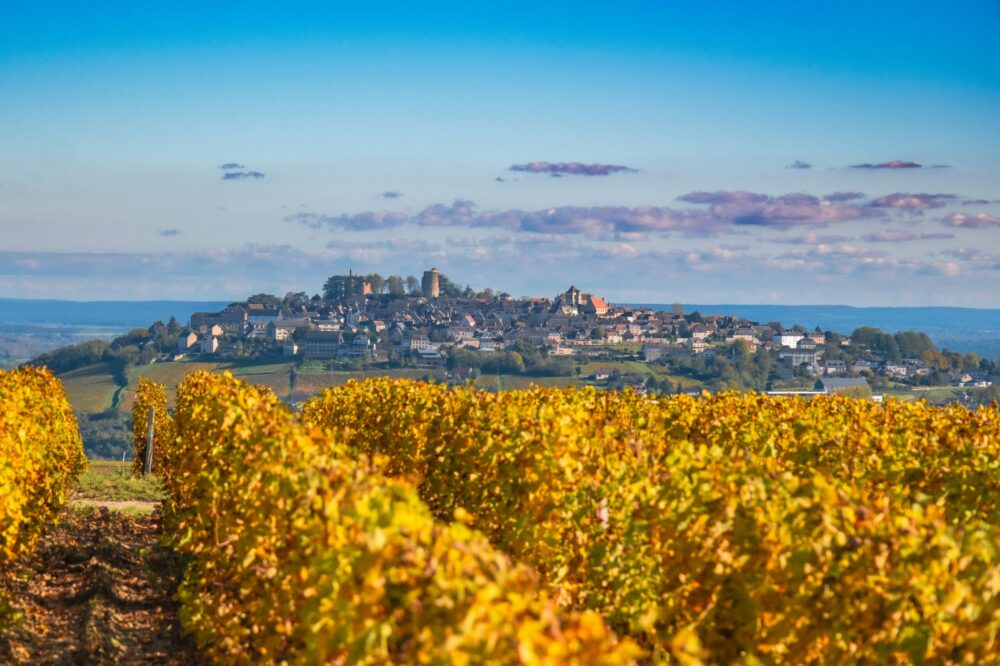
Photo by Sue Winston on Unsplash
Great article! I’m planning a trip and wondering if you’d recommend starting in Paris and then heading to Lyon, or the other way around?
Thanks! Both work, but starting in Paris and then moving to Lyon is a common route. Paris gives you the iconic food scene and a wide range of wine regions to sample, then Lyon dives deeper into traditional Lyonnaise cuisine and nearby Beaujolais wines. If you prefer to build up to the big city, start in Lyon for a more intimate experience and end in Paris for the grand finale.
I’ve heard that some Bordeaux châteaux require reservations months in advance. Is that true for all of them, or are there walk-in options?
Many top châteaux in Bordeaux do require advance reservations, especially during peak season. However, some smaller or less famous ones accept walk-ins. For a stress-free experience, book at least a few weeks ahead for the Médoc or Saint-Émilion. Alternatively, consider a guided tour that handles reservations for you.
This article is really helpful. I’m curious about Marseille—are there any food markets or specific neighborhoods you’d recommend for a half-day food tour?
Absolutely! Start at the Noailles market (Marché de Noailles) for a vibrant mix of Provençal and North African produce. Then head to the Panier district for small shops selling local specialties like fougasse and tapenade. For a sit-down meal, the Old Port area has many seafood restaurants. A half-day is perfect to sample bouillabaisse and explore these spots.