
Table des matières:
Why France Is a Top Destination for Cultural Immersion
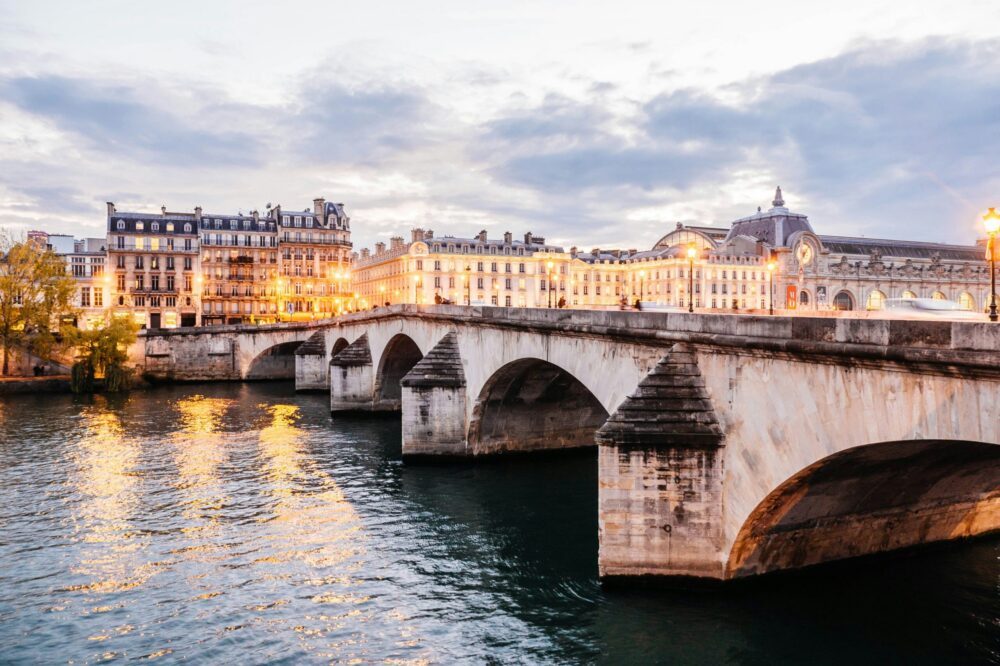
France has long been synonymous with culture, art, and history. For travelers seeking a deep cultural immersion, the country offers an unparalleled blend of world-renowned museums, historic architecture, regional cuisines, and vibrant local traditions. Whether you are drawn to the romantic streets of Paris or the sun-drenched landscapes of Provence, the best cities in France for a cultural immersion provide authentic experiences that go beyond typical tourism. This guide explores the top urban destinations where you can truly live like a local and absorb the essence of French life.
Paris: The Epicenter of Art, Fashion, and History
No list of the best cities in France for a cultural immersion would be complete without Paris. The capital is a living museum, offering endless opportunities to engage with French culture at its finest.
World-Class Museums and Galleries
Paris is home to some of the most famous museums in the world, including the Louvre, Musée d’Orsay, and Centre Pompidou. For a deeper cultural immersion, consider visiting smaller institutions like the Musée Carnavalet, which traces the history of Paris, or the Musée de la Vie Romantique, dedicated to the Romantic era. Many museums offer guided tours in English, but joining a French-language tour can enhance your language skills and understanding.
Iconic Landmarks and Neighborhoods
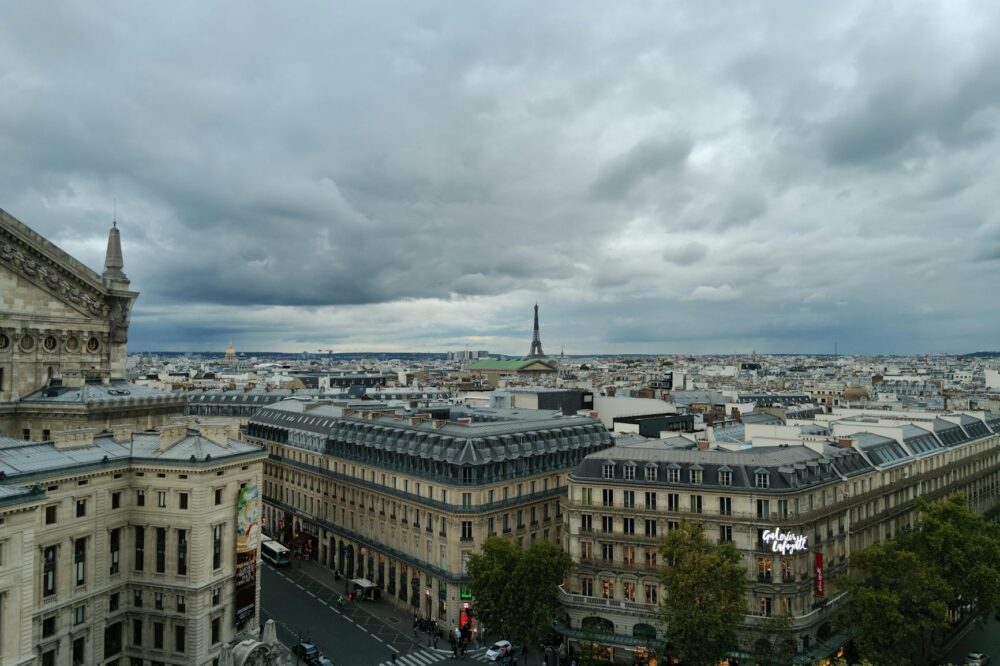
Beyond the Eiffel Tower and Notre-Dame, explore neighborhoods like Le Marais, Montmartre, and Saint-Germain-des-Prés. Each district has its own character, with historic cafes, boutiques, and markets. Take a walking tour to learn about the city’s architectural evolution, from medieval streets to Haussmannian boulevards.
Gastronomy and Culinary Traditions
French cuisine is a cornerstone of cultural identity. In Paris, you can take cooking classes, visit food markets like Marché d’Aligre, or dine at a traditional bistro. For an immersive experience, book a food tour that explores the city’s culinary history and regional specialties.
Lyon: The Gastronomic Capital and Roman Heritage
Lyon is often considered the gastronomic heart of France, but its cultural offerings extend far beyond food. As a UNESCO World Heritage site, the city boasts a rich history from Roman times to the Renaissance.
Ancient Roman Ruins and Renaissance Architecture
Visit the ancient Roman theater of Fourvière and the nearby Gallo-Roman Museum to step back in time. The old town, Vieux Lyon, features stunning Renaissance buildings and traboules (hidden passageways) that once served silk workers. Guided tours in English are available, but exploring independently with an audio guide allows for a more personalized cultural immersion.
Culinary Experiences and Local Markets
Lyon’s food scene is legendary. Take a cooking class to learn how to make traditional Lyonnaise dishes like quenelles or coq au vin. Visit the famous Halles de Lyon Paul Bocuse, a covered market named after the legendary chef, where you can sample local cheeses, charcuterie, and wines. For a true immersion, dine at a “bouchon,” a traditional Lyonnaise restaurant that serves hearty, local fare.
Marseille: A Mediterranean Melting Pot
Marseille is France’s oldest city and a vibrant port that blends French, North African, and Mediterranean cultures. It offers a unique cultural immersion that is both historic and contemporary.
Multicultural Heritage and Street Art
The city’s diverse population is reflected in its cuisine, music, and art. Explore the colorful Le Panier district, where street art adorns ancient walls, and visit the MuCEM (Museum of European and Mediterranean Civilizations) to understand the region’s cross-cultural history. The nearby Calanques National Park offers a natural escape with stunning limestone cliffs and turquoise waters.
Local Markets and Seafood Traditions
Marseille’s food culture centers around the sea. Visit the Vieux Port market for fresh fish, then try a traditional bouillabaisse at a local restaurant. For a hands-on experience, join a cooking workshop to learn how to prepare this iconic dish. The city also has a thriving craft beer and pastis scene, with many bars offering tastings.
Bordeaux: Wine, Architecture, and Art de Vivre
Bordeaux is synonymous with wine, but its cultural immersion extends to stunning 18th-century architecture, world-class museums, and a relaxed lifestyle.
Wine Culture and Château Visits
Take a wine tour in the surrounding vineyards, where you can visit châteaux, learn about winemaking, and taste prestigious vintages. The Cité du Vin, an immersive museum dedicated to wine culture, offers interactive exhibits and a rooftop tasting room with panoramic views. For a deeper understanding, enroll in a wine appreciation course that covers tasting techniques and regional grape varieties.
Historic Center and Gastronomy
Bordeaux’s historic center is a UNESCO site, with elegant squares like Place de la Bourse and the Grand Théâtre. Explore the city on foot or by bike, stopping at markets like Marché des Capucins to sample local products. Bordeaux cuisine features duck confit, canelés (small custard cakes), and fresh oysters from the Arcachon Bay.
Toulouse: The Pink City and Aerospace Hub
Toulouse, known as La Ville Rose for its terracotta brick buildings, combines a rich historical heritage with a modern aerospace industry. It is one of the best cities in France for a cultural immersion that blends tradition and innovation.
Romanesque Architecture and Space Exploration
Visit the Basilica of Saint-Sernin, a masterpiece of Romanesque architecture, and the Jacobins Convent with its stunning palm tree vault. For a contemporary twist, tour the Cité de l’Espace, an interactive space museum that includes a full-scale model of the Ariane 5 rocket. The Airbus factory offers guided tours where you can see assembly lines for the world’s largest passenger aircraft.
Local Markets and Occitan Culture
Toulouse is the capital of the Occitan region, and you can hear the Occitan language in some local festivals. Visit the Victor Hugo Market for regional specialties like cassoulet, a hearty bean stew, and foie gras. The city also has a vibrant nightlife, with many bars and live music venues featuring local bands.
Strasbourg: A Crossroads of French and German Cultures
Strasbourg, in the Alsace region, is a unique blend of French and Germanic influences. Its historic center, Grande Île, is a UNESCO site, and the city is home to the European Parliament.
Alsatian Architecture and Christmas Markets
Strasbourg’s half-timbered houses, canals, and cobblestone streets create a fairy-tale atmosphere. The Strasbourg Cathedral, with its stunning astronomical clock, is a Gothic masterpiece. The city is famous for its Christmas markets, which date back to the 16th century and are among the oldest in Europe. For a cultural immersion, visit during the holiday season to experience local traditions, mulled wine, and Alsatian pastries.
Gastronomy and Wine Route
Alsatian cuisine is hearty, with dishes like choucroute garnie (sauerkraut with sausages and meats) and tarte flambée (a thin, pizza-like dish). Take a cooking class to learn how to make these specialties. The nearby Alsace Wine Route offers opportunities to taste Riesling, Gewürztraminer, and other white wines, with many vineyards offering tours and tastings.
Nice: The Jewel of the French Riviera
Nice combines Mediterranean beauty with a rich cultural heritage. Its location on the Côte d’Azur makes it a popular destination, but it also offers deep cultural immersion through its museums, markets, and festivals.
Modern Art and Old Town Charm
The city is home to the Musée Matisse and the Musée Marc Chagall, showcasing works by these famous artists who lived in the region. The old town, Vieux Nice, is a maze of narrow streets filled with shops, cafes, and the Cours Saleya market, which offers flowers, fruits, and local crafts. For a unique experience, attend the Carnival of Nice, one of the largest carnivals in the world, with parades, floats, and fireworks.
Provençal Cuisine and Local Specialties
Nice’s cuisine reflects its Provençal roots. Try socca (a chickpea pancake), pissaladière (onion and anchovy tart), and ratatouille. Take a cooking class to learn how to prepare these dishes, and visit local olive oil mills and wineries for tastings. The city also has a strong tradition of perfumery, with several perfume workshops where you can create your own scent.
Conclusion: Choose Your Cultural Immersion in France
Each of these cities offers a unique lens through which to experience French culture. Whether you are drawn to the art and fashion of Paris, the gastronomy of Lyon, the multicultural vibe of Marseille, the wine heritage of Bordeaux, the aerospace innovation of Toulouse, the Franco-German blend of Strasbourg, or the Mediterranean charm of Nice, the best cities in France for a cultural immersion provide authentic experiences that will enrich your understanding of the country. Plan your trip around your interests, and don’t be afraid to venture off the beaten path to discover the true heart of French culture.
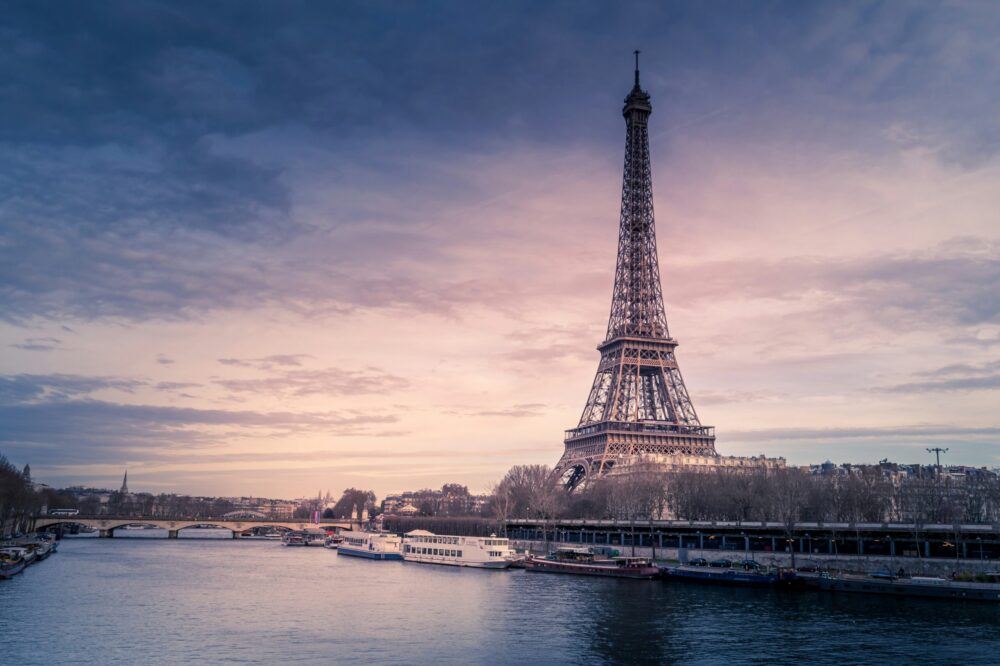
Photo by Anthony DELANOIX on Unsplash
I’m planning a trip to France and want to focus on cultural immersion. Besides Paris, which city would you recommend for someone interested in both history and food?
Lyon is an excellent choice for history and food lovers. Its Roman ruins and Renaissance old town offer deep historical context, and it’s widely considered the gastronomic capital of France. You can explore ancient sites like the Fourvière theater and then indulge in traditional Lyonnaise cuisine at a bouchon.
Are there any smaller cities or towns in France that offer a more intimate cultural experience compared to the major ones mentioned?
Absolutely. Cities like Avignon, with its Papal Palace and vibrant arts scene, or Aix-en-Provence, known for its markets and Cézanne’s legacy, provide rich cultural immersion on a smaller scale. They allow for deeper engagement with local life and traditions.
I’m interested in Marseille’s multicultural vibe. Are there specific neighborhoods or markets you’d recommend for experiencing that blend of cultures?
The Le Panier district is perfect for experiencing Marseille’s multicultural heritage, with its street art and diverse eateries. The Vieux Port market offers a taste of the city’s Mediterranean and North African influences, especially through fresh seafood and spices.
For someone who doesn’t speak French, how easy is it to join cultural activities like cooking classes or guided tours in these cities?
Many cooking classes and guided tours in major cities like Paris, Lyon, and Bordeaux offer English options. However, joining a French-language tour can be a great way to practice the language. Smaller cities may have fewer English options, but local tourist offices can help find suitable experiences.
What about Bordeaux? I’m not really a wine drinker. Is there still enough cultural immersion to make it worthwhile?
Definitely. Bordeaux’s 18th-century architecture, the Cité du Vin museum (which explores wine culture even for non-drinkers), and its vibrant art scene offer plenty of cultural immersion. The city’s art de vivre, with its markets and riverside walks, provides a genuine French experience beyond wine.