
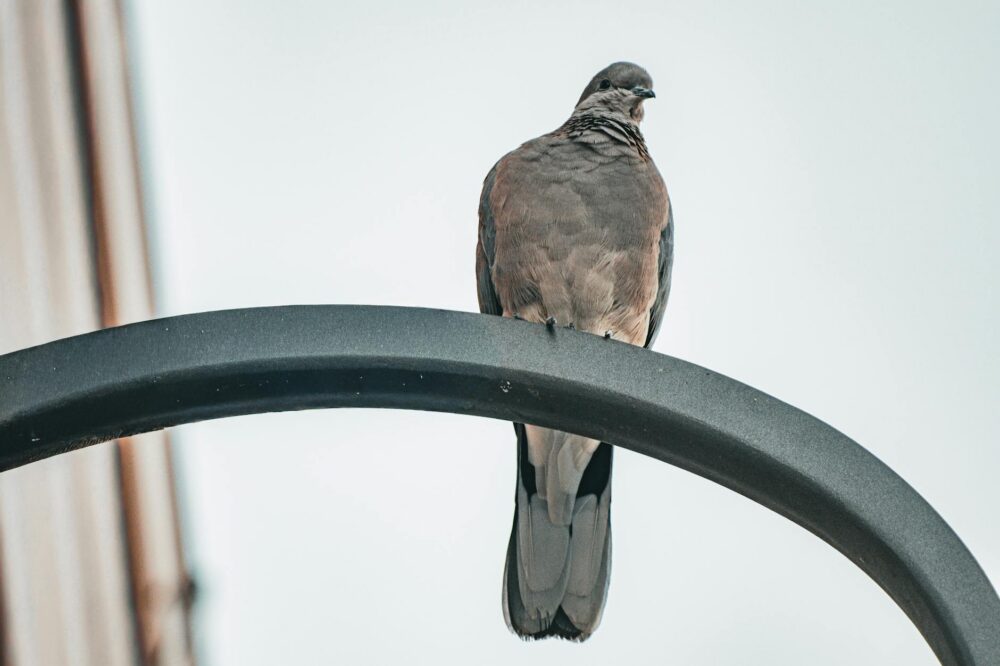
France is a paradise for birders, offering everything from flamingos in the Camargue to alpine accentors in the Alps. But which cities serve as the best bases for a birdwatching trip? This guide zeroes in on urban hubs that combine easy access to top birding sites, rich biodiversity, and comfortable amenities. Whether you’re a seasoned lister or a casual observer, these cities will help you maximize your sightings without sacrificing convenience.
Table des matières:
Why Choose a City-Based Birdwatching Trip in France?
Many birders assume they need to head to remote nature reserves, but France’s cities offer surprising advantages. Urban parks, river corridors, and nearby wetlands attract a wide range of species. Plus, you get the benefit of excellent transport links, accommodation, and dining. You can spend the morning at a salt marsh and the afternoon exploring a medieval town. This blend of culture and nature makes city-based birding uniquely rewarding.
The Top 6 French Cities for Birdwatching
After consulting local ornithologists and reviewing eBird data, these cities stand out for their bird diversity, accessibility, and year-round appeal.
1. Arles – Gateway to the Camargue
Arles is the undisputed capital of birdwatching in Provence. Its location on the edge of the Camargue Regional Nature Park gives you direct access to Europe’s largest river delta, home to over 400 bird species.
Key Birding Sites Near Arles
- Parc Ornithologique du Pont de Gau: A 60-hectare reserve with flamingos, herons, and egrets. Boardwalks make for easy viewing.
- Étang de Vaccarès: A large lagoon where you can spot avocets, black-winged stilts, and terns.
- La Capelière Museum & Observatory: An interpretation center with a hide overlooking the marshes.
When to Visit
Spring (April–May) is peak for migrating waders and breeding herons. Autumn sees thousands of ducks and geese. Winter brings rare gulls and grebes.
Practical Tips
Rent a bike or car to reach the best spots. The Camargue is flat, making cycling ideal. Stay in Arles’ historic center for easy access to both the city and nature.
2. Montpellier – Mediterranean Hotspot
Montpellier combines a vibrant university city with excellent birding along the Languedoc coast. The nearby Étang de l’Or and Pic Saint-Loup offer contrasting habitats.
Key Birding Sites Near Montpellier
- Étang de l’Or: A large coastal lagoon famous for flamingos, spoonbills, and Caspian terns.
- Pic Saint-Loup: A limestone mountain where you can find short-toed eagles, peregrine falcons, and alpine swifts.
- Lez River Banks: Urban birding along the river yields kingfishers, grey wagtails, and warblers.
When to Visit
Late spring (May–June) is best for breeding birds. Winter offers large flocks of ducks and gulls on the lagoon.
Practical Tips
Use the city’s tram system to reach the coast. Join a local birding group for guided walks.
3. Marseille – Calanques & Coastal Birds
Marseille, France’s oldest city, is surrounded by the Calanques National Park and the Camargue to the west. It’s ideal for seabird enthusiasts.
Key Birding Sites Near Marseille
- Calanques National Park: Look for Audouin’s gulls, shags, and Bonelli’s eagles on the cliffs.
- Parc National des Calanques – Sugiton: A popular hike with chances of seeing blue rock thrush and peregrine falcon.
- Île de Riou: A protected island accessible by boat, home to a large colony of yellow-legged gulls.
When to Visit
Spring (March–May) for migrating seabirds and breeding eagles. Autumn (September–October) for shearwaters and storm petrels.
Practical Tips
Take a boat tour to the Frioul islands for close-up views of seabird colonies. Bring a scope for seawatching from the coast.
4. Lyon – Rhône River Corridor
Lyon is a culinary capital with surprising birding opportunities along the Rhône and Saône rivers. The nearby Dombes region is a wetland wonderland.
Key Birding Sites Near Lyon
- Parc de la Tête d’Or: A large urban park with a lake attracting grebes, herons, and waterfowl.
- Dombes Region: A network of fishponds hosting bitterns, purple herons, and whiskered terns.
- Île de la Table Ronde: A nature reserve on the Rhône with beavers and black kites.
When to Visit
Spring (April–June) for breeding herons and terns. Autumn for migrating cranes.
Practical Tips
Rent a car to explore the Dombes. The city’s bike-sharing system is great for reaching Parc de la Tête d’Or.
5. Strasbourg – Alsatian Wetlands
Strasbourg, in the heart of Alsace, offers a mix of city culture and nearby Rhine floodplains. The region is a stronghold for white storks.
Key Birding Sites Near Strasbourg
- La Petite Camargue Alsacienne: A wetland reserve with storks, nightingales, and reed warblers.
- Forêt de la Robertsau: A large forest with black woodpeckers, tawny owls, and honey buzzards.
- Rhine River Banks: Look for common sandpipers, kingfishers, and grey herons.
When to Visit
Spring (April–May) for migrating passerines and storks nesting on rooftops. Winter for waterfowl.
Practical Tips
Walk or cycle along the Rhine. The city’s tram network connects to the Petite Camargue.
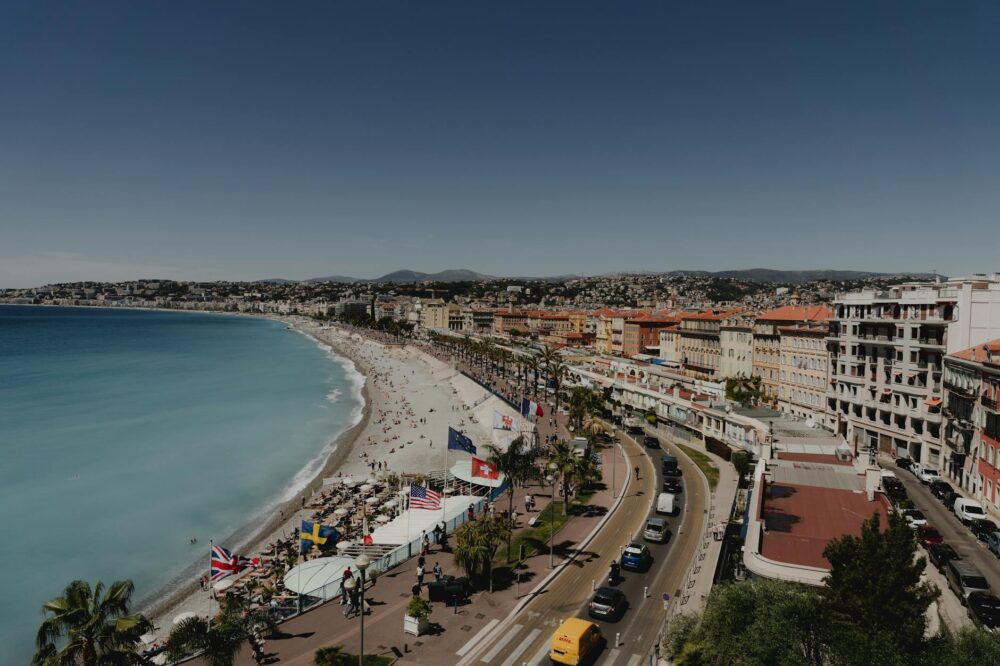
6. Nice – Mediterranean & Alpine Mix
Nice offers a unique combination of Mediterranean coast and nearby Alps. In a single day, you can birdwatch on the beach and in mountain forests.
Key Birding Sites Near Nice
- Parc du Mont Boron: A hilltop park with views of the bay, home to Sardinian warblers and peregrine falcons.
- Mercantour National Park: A short drive away, this park hosts alpine species like the wallcreeper, golden eagle, and citril finch.
- Cap Ferrat: A peninsula where you can see cormorants, shags, and Mediterranean gulls.
When to Visit
Spring (April–June) for alpine wildflowers and breeding birds. Autumn for migration on the coast.
Practical Tips
Rent a car to reach the Mercantour. The coastal path from Nice to Villefranche-sur-Mer offers easy birding.
Birdwatching Trip Checklist: What to Pack
- Binoculars (8×42 or 10×42) and a spotting scope for wetlands.
- Field guide to France’s birds (e.g., Collins Bird Guide).
- Notebook or app for recording sightings (eBird is popular).
- Comfortable walking shoes and weather-appropriate clothing.
- Sun protection (hat, sunscreen) and insect repellent.
- Water and snacks, especially for remote sites.
- Camera with telephoto lens if photography is a priority.
Seasonal Birding Calendar for France
| Season | Highlights | Best Cities |
|---|---|---|
| Spring (Mar–May) | Migration peaks, breeding plumage, songbirds | Arles, Montpellier, Strasbourg |
| Summer (Jun–Aug) | Breeding birds, early fledglings, heat | Nice (Alps), Arles (early morning) |
| Autumn (Sep–Nov) | Waterfowl migration, crane passage | Marseille, Lyon, Montpellier |
| Winter (Dec–Feb) | Wintering ducks, gulls, grebes | Arles, Marseille, Strasbourg |
Common Mistakes to Avoid on a Birdwatching Trip in France
- Overlooking urban parks: Cities like Lyon and Strasbourg have excellent city birding. Don’t skip them.
- Ignoring local regulations: Some reserves require permits or close during nesting season. Check ahead.
- Not using eBird: It helps you find recent sightings and hotspots. Download before you go.
- Forgetting about siesta: In southern France, many businesses close midday. Plan your birding around this.
- Underestimating distances: While cities are bases, some prime sites require a car or taxi. Budget accordingly.
Frequently Asked Questions
What is the best time of year for birdwatching in France?
Spring (April-May) offers peak migration and breeding activity. Autumn is also excellent for waterfowl and cranes.
Do I need a car for birdwatching in French cities?
Not necessarily. Many cities have public transport to key sites. However, a car gives you more flexibility, especially for reaching remote areas like the Camargue or Mercantour.
Are there guided birdwatching tours in these cities?
Yes. Local nature guides operate in Arles, Marseille, and Nice. Check with tourist offices or online platforms like Birdingpal.
Can I see flamingos near a city in France?
Absolutely. The Camargue near Arles is famous for its flamingo colonies. Montpellier’s Étang de l’Or also hosts them.
What rare birds can I see in French cities?
Audouin’s gull (Marseille), wallcreeper (Nice), bittern (Lyon), and white stork (Strasbourg) are notable possibilities.
Is birdwatching in France suitable for beginners?
Yes. Many sites have easy trails, hides, and visitor centers. Urban parks are especially beginner-friendly.
Plan Your Best Birdwatching Trip to France
Choosing the right city base can make or break your birding holiday. Arles remains the top pick for wetland species, while Nice excels for alpine and coastal birds. Montpellier offers a balanced Mediterranean experience, and Lyon surprises with its riverine diversity. Whichever you choose, you’ll find that France’s cities are not just cultural treasures but also gateways to remarkable avian adventures. Pack your binoculars, check the season, and get ready to add some lifers.
Photo by İrem Çevik on Pexels


Great article! I’m planning a trip to France next spring. Between Arles and Montpellier, which would you recommend for a first-time birder who also wants to enjoy city life?
Thank you! For a first-time birder who wants a mix of city culture and easy birding, Arles is a fantastic choice. The Camargue’s flat terrain and boardwalks make birding accessible, and Arles itself is charming with Roman ruins and great restaurants. Montpellier is livelier and more urban, but its birding sites are slightly more spread out.
Is Marseille really a good base for birding? I’ve always thought of it as just a big city.
Absolutely! Marseille is surprisingly excellent for birding. The Calanques National Park offers coastal species like Audouin’s gull and peregrine falcon, and the nearby Crau plain is a top spot for little bustards. Plus, you have the convenience of a major city with all amenities.
What about the best time of year for seeing flamingos in the Camargue?
Flamingos are present year-round in the Camargue, but the best time for large flocks and breeding plumage is late spring to early summer (May–July). In winter, many migrate south, but you’ll still see some. For the iconic pink spectacle, aim for June.
I’m a bit concerned about transportation. Are these cities easy to get around without a car?
Most of these cities have good public transit. Arles is bike-friendly, and you can rent a bike to reach the Camargue. Montpellier has a great tram system to the coast. Marseille has buses to the Calanques. For more remote spots like the Camargue or Pic Saint-Loup, a car gives you more flexibility, but it’s not essential.
This is really helpful, thanks! I didn’t realize urban parks could be so good for birding. Do you have any tips for finding birds in the city itself?
You’re welcome! In cities like Montpellier, walk along the Lez River for kingfishers and warblers. In Marseille, the Parc National des Calanques starts right at the city’s edge. Early morning is best, and listen for calls. Even small parks can host migrant warblers and finches during spring and fall.