
Barcelona is a city that sparkles—not just with architecture and nightlife, but with cava, Spain’s beloved sparkling wine. In 2026, the city’s cava scene is more vibrant than ever, blending tradition with innovation. Whether you’re a wine connoisseur or a curious traveler, finding the best cava in Barcelona in 2026 requires knowing where to look. This guide cuts through the noise to deliver the top spots, insider tips, and essential knowledge for an unforgettable cava experience.
Table des matières:
Why Barcelona Is the Ideal Destination for Cava Lovers
While cava is produced in several regions, Catalonia is its heartland. Barcelona, as the capital, offers unparalleled access to top producers, historic cellars, and modern tasting rooms. The city’s wine bars and restaurants pride themselves on curated selections that range from crisp, young cavas to complex, aged reserves. In 2026, sustainability and organic practices are also shaping the cava landscape, making it an exciting time to explore.
Top Spots for the Best Cava in Barcelona in 2026
1. Historic Cellars: A Journey into Tradition
Can Paixano (La Xampanyeria) – This iconic spot in the Born district has been serving cava since 1969. It’s famous for its no-frills atmosphere, affordable prices, and excellent selection. Order a bottle of their house cava brut and enjoy it with a montadito (small sandwich). Expect queues, but the experience is worth it.
El Xampanyet – Located near the Picasso Museum, this family-run bar dates back to 1929. The cava is poured straight from the barrel, and the tapas are classic Catalan. Try their cava with a plate of anchovies or jamón ibérico.
2. Modern Wine Bars: Innovation and Variety
Monvinic – A temple of wine with a massive cellar and a dedicated cava section. Their sommeliers can guide you through rare vintages and small producers. The tasting menu includes cava pairings that highlight the wine’s versatility.
Vila Viniteca – Both a wine shop and a tasting bar, this spot in the Gothic Quarter offers over 200 cavas. Their weekly tastings are a great way to discover new labels. Don’t miss their cava rosado from the Penedès region.
3. Cava-Themed Experiences
La Vinateria del Call – A cozy wine bar in the Jewish Quarter that focuses on natural and organic wines, including a curated cava list. Their knowledgeable staff can explain the difference between gran reserva and joven cava.
Bodega 1900 – A modern take on a traditional bodega, offering cava by the glass and creative tapas. Their cava cocktail menu is a must-try for adventurous palates.
How to Choose the Best Cava: A Practical Checklist
- Check the label: Look for “Cava” DO (Denominación de Origen) to ensure authenticity.
- Understand the aging: Joven (young, 9 months), Reserva (15 months), Gran Reserva (30+ months).
- Choose the right style: Brut nature (no dosage), Brut (slightly sweet), Seco (sweet).
- Consider the producer: Small producers like Gramona, Recaredo, or Raventós i Blanc offer distinctive character.
- Ask for local tips: Bartenders often have hidden gems not listed on menus.
Barcelona’s Cava Districts: Where to Go
El Born
This trendy neighborhood is packed with wine bars and tapas spots. Start at Can Paixano, then wander to nearby El Xampanyet. The narrow streets are perfect for a bar-hopping evening.
Gràcia
Less touristy and more local, Gràcia offers authentic cava experiences. Try Bodega La Puntual for a no-nonsense cava and vermouth combo. The square, Plaça del Sol, is a great spot for an outdoor glass.
Poble Sec
Known for its affordable eats and lively atmosphere, Poble Sec has several bodegas that serve cava alongside montaditos. Quimet & Quimet is a classic choice with an extensive wine list.
Common Mistakes When Ordering Cava in Barcelona
- Not specifying the type: Saying just “cava” may get you the house option. Ask for brut nature if you prefer dry.
- Overlooking rosé: Cava rosado is often overlooked but can be excellent, especially with seafood.
- Drinking too cold: Very cold cava masks flavors. Allow it to warm slightly in the glass.
- Skipping the food pairing: Cava is incredibly versatile—pair it with fried fish, cheese, or even spicy dishes.
Cava vs. Champagne: What Makes Cava Unique?


| Feature | Cava | Champagne |
|---|---|---|
| Grapes | Macabeo, Xarel·lo, Parellada | Chardonnay, Pinot Noir, Pinot Meunier |
| Region | Mainly Penedès, Catalonia | Champagne, France |
| Aging | 9 months to 30+ months | 15 months to several years |
| Flavor profile | Fresher, more citrus and green apple | Richer, brioche, and nutty notes |
| Price | Generally more affordable | Often higher |
Understanding these differences helps you appreciate cava’s unique character. In Barcelona, you’ll find both traditional and experimental styles that rival Champagne in quality.
Seasonal Cava Events in Barcelona 2026
Plan your visit around these cava-centric events:
- Barcelona Wine Week (February): Features cava masterclasses and tastings from top producers.
- La Mercè Festival (September): The city’s biggest festival includes cava bars and pop-up tastings.
- Cava & Cava Tour (Year-round): Guided tours to Penedès cellars, just 40 minutes from Barcelona.
How to Pair Cava with Catalan Cuisine
Cava’s acidity and bubbles cut through rich foods. Here are classic pairings:
- Brut nature with seafood: Paella, grilled prawns, or calamari.
- Reserva with cured meats: Jamón ibérico, fuet, or lomo.
- Rosé cava with tapas: Patatas bravas, croquetas, or pimientos de padrón.
- Sweet cava (Dulce) with desserts: Crema catalana or chocolate.
Where to Buy Cava to Take Home
If you want to bring cava back, visit these shops:
- Vila Viniteca – Extensive selection with expert advice.
- Celler de Gelida – Specializes in small-production cavas.
- El Corte Inglés Gourmet Experience – Convenient and reliable.
- Markets like La Boqueria – Some stalls sell local cava at good prices.
Remember to pack cava in your checked luggage to avoid airline restrictions.
Frequently Asked Questions About Cava in Barcelona
What is the best time of year to visit Barcelona for cava?
Spring and fall offer pleasant weather and fewer crowds. September’s La Mercè festival is ideal for cava lovers.
Can I visit cava cellars near Barcelona?
Yes, the Penedès region is a short train or car ride away. Many producers offer tours and tastings. Popular choices include Freixenet, Codorníu, and smaller organic wineries.
How much does a glass of cava cost in Barcelona?
Prices range from €2-4 at traditional bars to €8-12 at upscale wine bars. Bottles can be €5-20 in shops.
Is cava gluten-free?
Yes, cava is naturally gluten-free as it’s made from grapes. However, check labels for any additives.
What does “brut nature” mean on a cava label?
It indicates no added sugar after secondary fermentation, resulting in a very dry style. It’s the most authentic expression of the grape.
Are there any cava bars with a view in Barcelona?
Yes, La Terraza del Majestic and Skybar at Grand Hotel Central offer cava with panoramic city views. Expect higher prices.
Final Thoughts on Finding the Best Cava in Barcelona in 2026
Barcelona’s cava scene in 2026 is diverse, dynamic, and deeply rooted in Catalan culture. Whether you’re sipping a young brut in a historic bodega or exploring a rare gran reserva in a modern wine bar, the key is to be curious and open. Ask locals for recommendations, try different styles, and most importantly, enjoy the moment. The best cava in Barcelona in 2026 is the one that brings you joy—and with this guide, you’re sure to find it. Cheers!
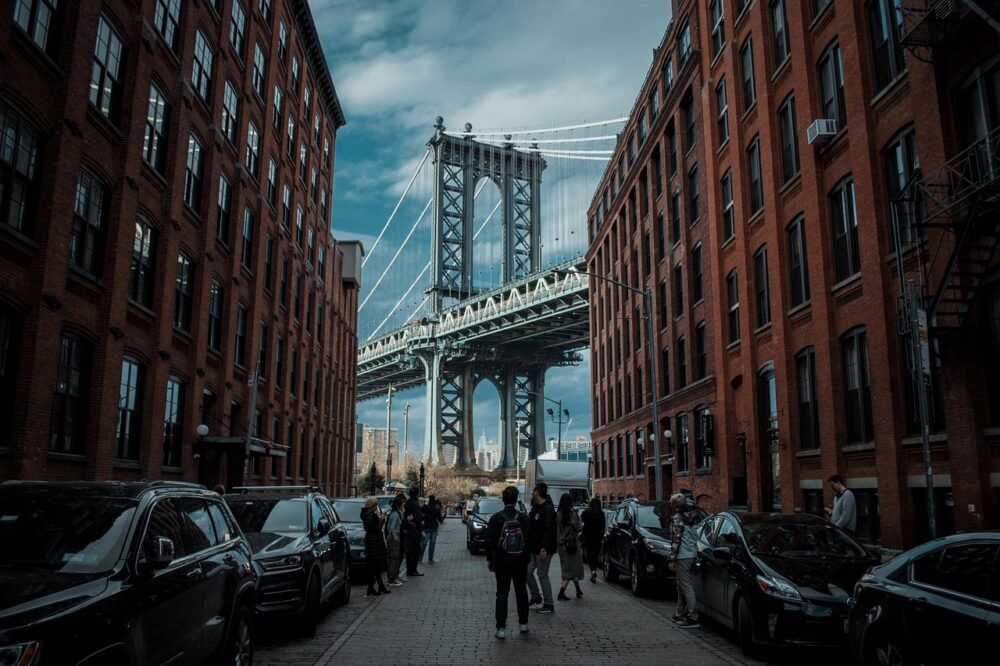
Photo by kokygonzalez on Pixabay


Great article! I’m planning a trip to Barcelona next spring and really want to try authentic cava. Which of the historic cellars would you recommend for a first-timer?
For a first-timer, Can Paixano (La Xampanyeria) is a fantastic choice. It’s iconic, affordable, and the no-frills atmosphere lets you focus on the cava. Just be prepared for queues. El Xampanyet is also excellent if you want a more traditional barrel-poured experience.
Is the cava in Barcelona expensive? I’m on a budget but still want quality.
Not necessarily! Many spots like Can Paixano offer house cava for very reasonable prices. You can also find good value at wine shops like Vila Viniteca, where you can buy a bottle to enjoy elsewhere. Stick to joven or reserva cavas for the best quality-price ratio.
I’m interested in organic or natural cava. Does the guide mention any specific producers or bars that focus on these?
Yes! La Vinateria del Call specializes in natural and organic wines, including a curated cava list. For producers, look for Gramona, Recaredo, or Raventós i Blanc, which are known for sustainable practices. Many modern wine bars like Monvinic also carry organic options.
Thanks for the practical checklist on choosing cava. Could you explain the difference between brut nature and brut? I see both on labels.
Sure! Brut nature has no added sugar (dosage), so it’s the driest style. Brut has a small amount of added sugar (typically up to 12g/L), making it slightly softer. If you prefer bone-dry sparkling wine, go for brut nature; if you like a touch of fruitiness, brut is a safe bet.
I’ve been to El Xampanyet and loved it. Are there any other hidden gems similar to that style?
Absolutely! Bodega 1900 offers a modern take on a traditional bodega with cava by the glass and creative tapas. Also, check out La Vinateria del Call for a cozy, knowledgeable vibe. Both maintain that authentic Catalan feel while offering something unique.
How do I know if a cava is worth the price? I don’t want to overpay for something mediocre.
Look for the Cava DO label and check the aging: reserva (15+ months) and gran reserva (30+ months) usually indicate higher quality. Also, consider the producer—small houses like Gramona or Recaredo have excellent reputations. At wine bars like Monvinic, sommeliers can guide you to good value choices.
Is it easy to find cava tastings in Barcelona, or do you need to book in advance?
Many places accept walk-ins, but for curated tastings, booking ahead is wise. Vila Viniteca holds weekly tastings that can fill up. For a more spontaneous experience, try El Xampanyet or Can Paixano where you can just show up and order by the glass or bottle.