
Table des matières:
Why the Search for the Best Caffè Latte in Rome 2026 Matters
Rome has long been a city of espresso—short, intense, and consumed standing at the bar. But today, a new wave of coffee drinkers and baristas are elevating the caffè latte to an art form. If you’re wondering where to find the best caffè latte in Rome 2026, you’re not alone. Travelers and locals alike are seeking that perfect balance of velvety milk and rich espresso, served in a setting that respects tradition while embracing innovation.
This guide cuts through the noise. We’ve scoured the city—from Trastevere to Prati—to bring you the definitive list of coffee spots that deliver an exceptional latte experience. Whether you prefer a classic Italian latte or a modern flat white, these are the places you need to visit.
What Makes a Great Caffè Latte in Rome?
Before we dive into the list, it helps to understand what sets a Roman caffè latte apart. The key components are:
- Espresso base: A single or double shot pulled from a quality blend, often with a darker roast than what you’d find in third-wave shops elsewhere.
- Steamed milk: Microfoam is essential—smooth, not frothy, with a temperature that doesn’t scald the milk.
- Proportions: In Rome, a caffè latte is typically served in a small glass or cup—about 150–200 ml. A larger size often signals a tourist trap.
- Service style: At the bar, you pay first, then order. Table service costs extra.
Keep these in mind as you explore. The best caffè latte in Rome 2026 will honor these traditions while delivering impeccable taste.
Top Coffee Spots for the Best Caffè Latte in Rome 2026
1. Sant’Eustachio Il Caffè
Located near the Pantheon, this historic café has been serving coffee since 1938. Their caffè latte is legendary, made with a secret blend of beans roasted on-site. The milk is steamed to a perfect microfoam, and the espresso is rich without bitterness. Tip: Order at the counter and drink it standing—it’s the Roman way.
2. Faro Caffè
In the heart of Trastevere, Faro is a specialty coffee pioneer. They source single-origin beans and offer a rotating selection of espresso-based drinks. Their caffè latte is a revelation: bright, fruity espresso balanced by creamy milk. The baristas are skilled and happy to explain the origin of the beans. Best for: Those who appreciate third-wave coffee culture.
3. Sciascia Caffè
A short walk from the Vatican, Sciascia is a family-run institution. Their caffè latte is served in a glass, allowing you to admire the layered crema and milk. The flavor is robust and comforting. Local secret: Ask for a “latte macchiato” if you want more milk than foam.
4. Caffè Peru
Near Piazza Navona, Caffè Peru specializes in organic, fair-trade coffee. Their latte is made with a single-origin Peruvian espresso that has notes of chocolate and citrus. The milk is steamed to order, and the result is a clean, flavorful cup. Pro tip: Pair it with a cornetto (Italian croissant) for a classic breakfast.
5. Roscioli Caffè
Roscioli is famous for its food, but their coffee bar is equally impressive. They use a custom blend from a local roastery, and the latte is consistently excellent. The atmosphere is elegant yet relaxed, making it a great spot to sit and people-watch. Note: They serve until late afternoon, so plan accordingly.
Hidden Gems: Lesser-Known Cafés for a Perfect Latte
6. Tram Depot
Tucked away in the San Lorenzo district, Tram Depot is a vintage-themed café inside an old tram depot. Their latte art is Instagram-worthy, but the taste matches the aesthetics. The espresso is from a local roaster, and the milk is steamed with precision. Best for: Students and creatives looking for a relaxed vibe.
7. Cafè Merenda
In the Monti neighborhood, this tiny café is easy to miss. But their caffè latte is a hidden treasure. The owner roasts his own beans, and the milk is sourced from a small farm. The result is a latte that tastes like liquid velvet. Warning: They close early (around 2 PM), so go in the morning.
How to Order a Caffè Latte Like a Local in Rome
Avoid common tourist mistakes with this simple guide:
- Pay first: Look for the cash register (cassa), pay, and then give the receipt to the barista.
- Specify your milk: If you want whole milk (intero), say so. If you prefer skim (parzialmente scremato) or plant-based (soia, avena), ask—many cafés now offer alternatives.
- Don’t ask for a “latte”: In Italy, “latte” means milk. Always say “caffè latte” or simply “latte” if the context is clear.
- Drink it at the bar: It’s cheaper and faster. If you sit down, expect a cover charge (coperto).
Checklist: What to Look for in a Top-Tier Caffè Latte
| Criteria | What to Expect |
|---|---|
| Espresso quality | Rich crema, balanced acidity, no burnt aftertaste |
| Milk texture | Microfoam, smooth, not bubbly |
| Temperature | Hot but not scalding—around 65°C (149°F) |
| Serving size | 150–200 ml, often in a glass |
| Service | Friendly, efficient, willing to answer questions |
Mistakes to Avoid When Searching for the Best Caffè Latte in Rome 2026
- Relying solely on chain cafés: Starbucks and similar chains don’t represent Roman coffee culture. Seek out independent bars.
- Ordering a latte after 11 AM: Many Italians consider milk-based coffee a morning drink. While you can still order it later, expect some raised eyebrows.
- Ignoring the barista’s recommendation: If a barista suggests a different drink—like a cappuccino or espresso—trust them. They know their coffee.
- Forgetting to specify “caffè latte”: As mentioned, “latte” alone will get you a glass of milk.
Related Questions About Caffè Latte in Rome
Is caffè latte the same as cappuccino?
No. A cappuccino has equal parts espresso, steamed milk, and foam, and is typically smaller. A caffè latte has more milk and less foam, making it smoother and larger.
Can I get a caffè latte with oat milk in Rome?
Yes, many specialty cafés now offer oat, soy, or almond milk. Faro Caffè and Roscioli Caffè are good options.
What is the average price of a caffè latte in Rome in 2026?
Expect to pay €1.50–€2.50 at the bar. Table service can add €1–€3 extra.
Do Roman cafés serve iced lattes?
Some do, especially in summer. Ask for “caffè latte freddo” or “caffè shakerato” (a shaken iced coffee).
Final Thoughts on Finding the Best Caffè Latte in Rome 2026
The best caffè latte in Rome 2026 isn’t just about the drink—it’s about the experience. From the historic espresso bars of the city center to the hip specialty shops in emerging neighborhoods, Rome offers a latte for every palate. Use this guide to navigate the options, and don’t be afraid to explore. The perfect latte is waiting for you.
Frequently Asked Questions
Where can I find the best caffè latte in Rome 2026 near the Colosseum?
Head to Caffè Propaganda on Via di San Giovanni in Laterano. It’s a short walk from the Colosseum and serves an excellent latte with a view of the ruins.
What is the best time to order a caffè latte in Rome?
Morning is traditional—from breakfast until about 11 AM. After that, many locals switch to espresso.
Are there any vegan-friendly caffè latte options in Rome?
Yes. Faro Caffè, Roscioli Caffè, and Cafè Merenda all offer plant-based milk alternatives.
How do I spot a tourist trap coffee shop in Rome?
Avoid places with menus in multiple languages, large photos of food, and inflated prices for table service. Look for bars where locals are standing and drinking quickly.
What is the difference between a caffè latte and a latte macchiato?
A caffè latte has espresso added to milk, while a latte macchiato has milk topped with a shot of espresso. The latter has a stronger coffee flavor and more foam.
Can I get a caffè latte to go in Rome?
Yes, but it’s less common. Many cafés charge a small fee for takeaway cups. If you’re in a hurry, ask for “da portare via.”
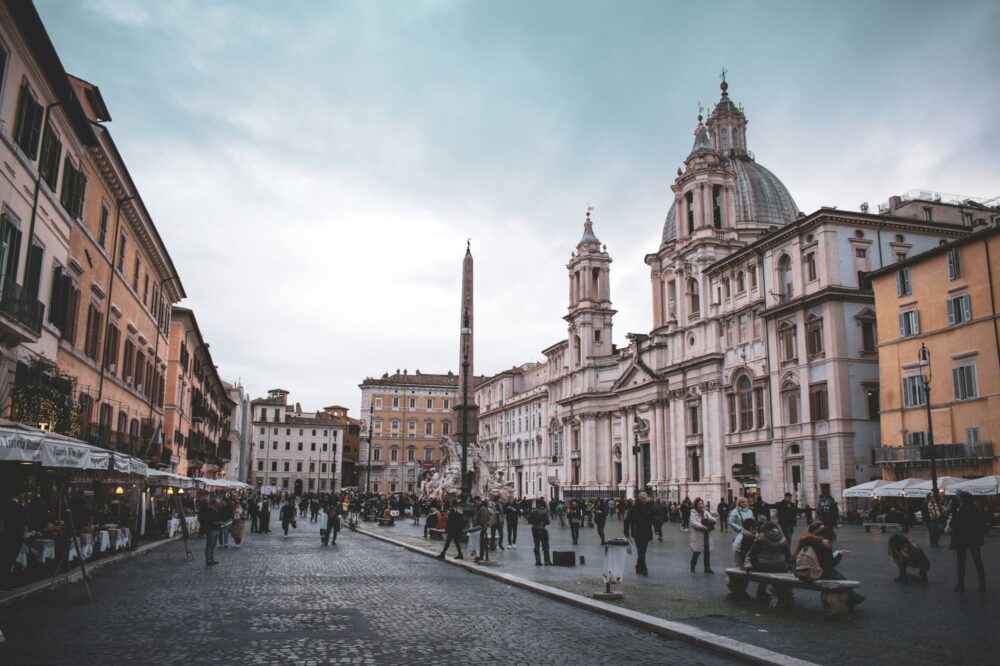
Photo by Matthew Jones on Unsplash
Great list! I’m heading to Rome next spring and love a good latte. Do you have any tips for someone who prefers a lighter roast? Most Italian places seem to use dark roasts.
For a lighter roast, Faro Caffè is your best bet—they specialize in single-origin beans with bright, fruity notes. You can also ask the barista at Caffè Peru about their Peruvian espresso, which has a lighter profile. In traditional spots like Sant’Eustachio, the roast is darker, but the quality is still exceptional.
I noticed you mentioned that larger sizes often signal a tourist trap. What size should I expect for a proper caffè latte in Rome?
A traditional caffè latte in Rome is served in a small glass or cup, about 150–200 ml (roughly 5–7 oz). If you’re offered a large, takeaway-style cup, it’s likely not the authentic experience. Stick to the smaller size at the bar for the best quality.
Thanks for including Sciascia Caffè—I’ve been there and their latte is fantastic. One thing: you mentioned asking for a latte macchiato for more milk than foam. Can you clarify the difference between caffè latte and latte macchiato in Italy?
Sure! In Italy, a caffè latte is espresso poured into steamed milk, with a thin layer of foam. A latte macchiato is the opposite: steamed milk is poured into a glass, then espresso is added on top, creating a stronger milk flavor and more liquid milk. So if you want a milkier drink with less foam, ask for a latte macchiato.
I’m gluten-intolerant—do any of these spots offer gluten-free options like cornetti?
Most of these cafés do not specifically cater to gluten-free pastries, but you can often find gluten-free cornetti at larger bars or pasticcerie. For a safe bet, try a specialty café like Faro Caffè, which sometimes has gluten-free options, or ask at the counter. Alternatively, skip the pastry and enjoy the latte on its own—it’s worth it.