
Table des matières:
Why Caffè Freddo Is a Florentine Summer Staple
Florence in July can be sweltering, but locals know the perfect antidote: a perfectly chilled caffè freddo. Unlike iced coffee elsewhere, this is a concentrated espresso shot shaken or stirred with ice, often served in a small glass. It’s not watered down; it’s pure, cold, and invigorating. In 2026, the trend for high-quality, artisanal caffè freddo is stronger than ever, with baristas experimenting with single-origin beans and precise brewing methods. Whether you’re a tourist or a resident, finding the best caffè freddo in Florence in 2026 means knowing where tradition meets innovation.
What Makes a Great Caffè Freddo?
Before diving into the best spots, it helps to understand the criteria. A superior caffè freddo starts with a fresh, dark roast espresso. The ice should be made from filtered water to avoid off-flavors. The drink is typically unsweetened, but many Florentines add a teaspoon of sugar before shaking. The result should be a balanced, slightly syrupy texture with a rich crema that clings to the glass. Avoid places that use pre-brewed coffee or serve it in a plastic cup—those are red flags.
Top 5 Cafés for Caffè Freddo in Florence in 2026
After extensive research and taste tests (yes, it’s a tough job), here are the standout locations. Each offers a unique take, from historic elegance to modern minimalism.
1. Caffè Gilli – A Historic Treasure
Located on Piazza della Repubblica, Caffè Gilli has been serving since 1733. Their caffè freddo is a masterpiece of tradition. They use a blend of Arabica and Robusta beans roasted in-house. The barista prepares it to order, shaking the espresso with ice in a metal shaker until frothy. The result is a velvety, intense drink with a persistent foam. Sit at one of the outdoor tables and watch the city buzz. Price: around €4.50. Pro tip: Order it “con panna” (with whipped cream) for an indulgent twist.
2. Ditta Artigianale – Specialty Coffee Pioneer
For those who prefer third-wave coffee, Ditta Artigianale is a must. With two locations (Via dei Neri and Via dello Sprone), this roastery focuses on single-origin espressos. Their caffè freddo changes seasonally; in 2026, try the Ethiopian Yirgacheffe option—notes of blueberry and jasmine. They use a slow-drip method to extract the espresso, then chill it rapidly. The result is a clean, fruity cup with no bitterness. The baristas are happy to explain the process. Price: €5.00. The Via dei Neri location is near the Uffizi, perfect for a post-gallery refreshment.
3. La Ménagère – Stylish and Sophisticated
Part café, part concept store, La Ménagère on Via de’ Ginori offers a refined caffè freddo. They use a blend of Brazilian and Colombian beans, roasted medium-dark. The espresso is poured over large ice cubes (to slow dilution) and served in a stemmed glass. The setting is Instagram-worthy: marble tables, fresh flowers, and vintage decor. It’s slightly pricier at €6.00, but you’re paying for the ambiance. Ideal for a mid-afternoon break during shopping.
4. Caffè degli Artigiani – Hidden Gem in San Frediano
Off the beaten path in the Oltrarno district, Caffè degli Artigiani is a tiny spot run by a passionate owner. The caffè freddo here is a local secret. They use a traditional Italian espresso machine but add a pinch of salt to enhance the flavor. The drink is served in a chilled ceramic cup. It’s strong, almost syrupy, with a distinct savory note. Price: €2.50—the best value in town. No frills, just excellent coffee. Arrive early; they close by 4 PM.
5. Rivoire – Luxury with a View
Overlooking Piazza della Signoria, Rivoire has been a symbol of elegance since 1872. Their caffè freddo is a luxurious affair. The espresso is made from a proprietary blend, then chilled and served in a crystal glass with a side of dark chocolate. The taste is smooth, with a hint of cocoa. Price: €7.00, but you’re paying for the prime location and impeccable service. Best enjoyed at sunset when the square is less crowded.
How to Order Caffè Freddo Like a Local
Ordering correctly ensures you get the best experience. Here’s a quick checklist:
- Specify “caffè freddo” – not “caffè con ghiaccio” (which might get you a hot espresso with ice on the side).
- Ask for “zucchero a parte” (sugar on the side) if you want to sweeten it yourself.
- Drink it quickly – it’s best consumed within 10 minutes before the ice dilutes it.
- Pay at the register first in most cafés, then hand the receipt to the barista.
- Don’t tip unless you’re at a sit-down table with service; small change is fine.
Common Mistakes to Avoid When Seeking Caffè Freddo


Even seasoned travelers can fall into traps. Avoid these pitfalls:
- Ordering at tourist-heavy spots near the Duomo – they often use pre-made syrup or poor-quality beans.
- Expecting a large iced latte – caffè freddo is a small, strong drink (about 60–80 ml).
- Drinking it too slowly – as mentioned, dilution ruins the flavor.
- Ignoring the glass – a good café will serve it in a pre-chilled glass or over large ice cubes.
2026 Trends in Florentine Coffee Culture
Florence’s coffee scene is evolving. In 2026, expect more cafés to offer:
- Single-origin caffè freddo – highlighting specific regions like Ethiopia, Colombia, or Brazil.
- Cold brew variations – some spots now serve cold brew concentrate as an alternative.
- Sustainable practices – reusable cups, compostable straws, and direct-trade beans.
- Digital ordering – a few cafés allow app-based pre-orders to skip queues.
Comparison Table: Top 5 Cafés at a Glance
| Café | Location | Price (€) | Special Feature |
|---|---|---|---|
| Caffè Gilli | Piazza della Repubblica | 4.50 | Historic, shaken method |
| Ditta Artigianale | Via dei Neri | 5.00 | Single-origin, specialty |
| La Ménagère | Via de’ Ginori | 6.00 | Stylish, large ice cubes |
| Caffè degli Artigiani | San Frediano | 2.50 | Hidden gem, affordable |
| Rivoire | Piazza della Signoria | 7.00 | Luxury, chocolate pairing |
Frequently Asked Questions About Caffè Freddo in Florence
Is caffè freddo the same as iced coffee?
No. Iced coffee is often brewed hot and then poured over ice, which can become watery. Caffè freddo is a concentrated espresso that’s cooled rapidly, preserving its intensity.
What’s the best time to drink caffè freddo?
Any time from late morning to early afternoon. Italians rarely drink coffee after a meal, but caffè freddo is an exception on hot days.
Can I get caffè freddo with milk?
Technically, that would be a “caffè latte freddo” or “latte macchiato freddo.” Most cafés will prepare it if you ask, but purists prefer it black.
How much should I expect to pay?
Between €2.50 and €7.00, depending on the location and prestige. Standing at the bar is cheaper than sitting at a table.
Are there any vegan options?
Yes, many cafés offer oat, soy, or almond milk. However, caffè freddo is traditionally black, so milk is optional.
What’s the best caffè freddo in Florence for 2026?
If you want tradition, Caffè Gilli. For specialty coffee, Ditta Artigianale. For a budget-friendly authentic experience, Caffè degli Artigiani.
Final Sip: Your 2026 Caffè Freddo Journey
Finding the best caffè freddo in Florence in 2026 is about more than just caffeine—it’s about experiencing the city’s culture, one chilled espresso at a time. Whether you choose a historic institution or a modern roastery, each cup tells a story. Start with our top picks, but don’t be afraid to explore. Ask locals for their favorites; you might discover a hidden spot. And remember, the best caffè freddo is the one that refreshes you and makes you feel like a true Florentine, even for a moment. So go ahead, order one, and enjoy the perfect blend of tradition and innovation.
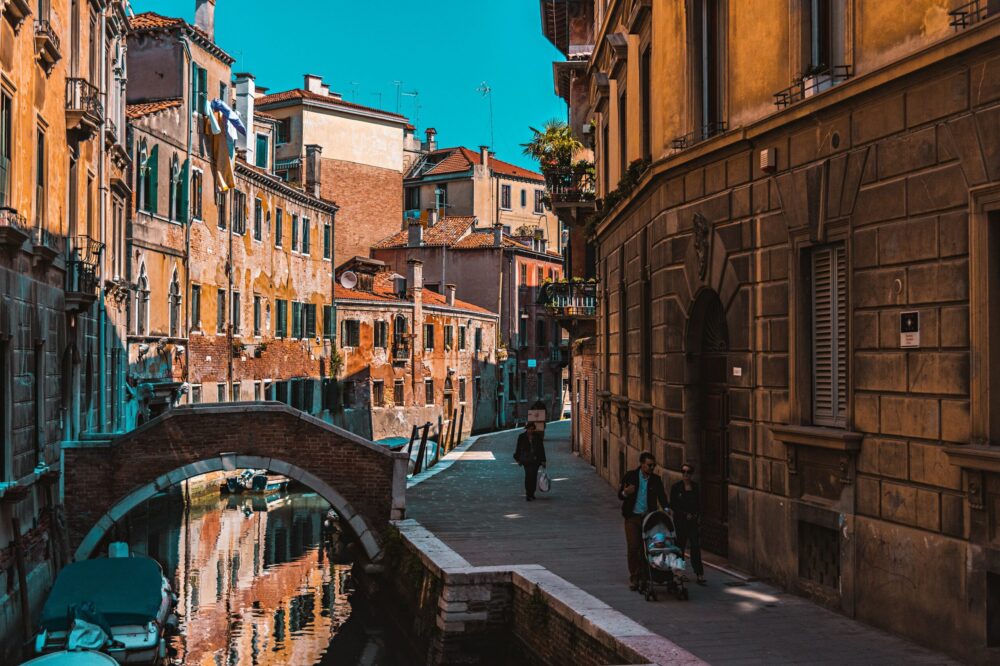
Photo by Surprising_Media on Pixabay
Great article! I’m planning a trip to Florence in July 2026 and was wondering if any of these cafes offer a dairy-free alternative, like oat milk, for the caffè freddo?
Yes, most specialty cafes in Florence now accommodate dairy-free requests. Ditta Artigianale, for example, offers oat and soy milk options. Just ask the barista when ordering, and they’ll adjust the recipe. Keep in mind that traditional caffè freddo is typically served without milk, so you can also enjoy it as is.
I’ve had caffè freddo at Caffè Gilli and it was amazing. Do you know if they still use the same house-roasted blend in 2026?
According to the article, Caffè Gilli continues to use their in-house roasted blend of Arabica and Robusta beans in 2026. The preparation method—shaking with ice in a metal shaker—remains unchanged, ensuring that classic velvety texture.
Is €4.50 typical for a caffè freddo in Florence, or is that on the higher side?
€4.50 is fairly standard for a high-quality caffè freddo at a historic café like Caffè Gilli. At specialty spots like Ditta Artigianale, it’s around €5.00, and at more upscale places like La Ménagère, it can be €6.00. Generally, you can expect to pay between €3.50 and €6.00 depending on the location and ingredients.
I’m curious about the slow-drip method at Ditta Artigianale. Does it make a big difference in taste compared to traditional shaking?
Yes, the slow-drip method at Ditta Artigianale produces a cleaner, more nuanced flavor profile, especially with single-origin beans like the Ethiopian Yirgacheffe. It avoids the slight aeration from shaking and results in a less bitter, fruitier cup. It’s a different experience from the traditional shaking method, which yields a frothier texture.
Do any of these cafes serve caffè freddo to go, or is it strictly for sitting in?
Most cafes in Florence, including those mentioned, offer takeaway options. However, the article recommends avoiding places that serve it in plastic cups, as that can affect quality. Caffè Gilli and La Ménagère typically serve it in glass if you’re sitting in, but they may use paper cups for takeaway. Ditta Artigianale also offers takeaway in compostable cups.
I appreciate the tip about ordering ‘con panna’ at Caffè Gilli. Is whipped cream common on caffè freddo in Florence?
Whipped cream is a popular addition, especially at historic cafes like Caffè Gilli, but it’s not universal. Many Florentines prefer their caffè freddo unsweetened and without cream to enjoy the pure espresso flavor. It’s entirely up to personal preference—feel free to ask for it, but it may be considered a more indulgent choice.
Are there any other cafes you’d recommend for caffè freddo that didn’t make the top 5? Maybe something off the beaten path?
While the top 5 are the standout choices, you might also try Le Murate (a former prison turned café) for a solid caffè freddo in a unique setting, or Caffè degli Artigiani near San Lorenzo for a more local vibe. Both use quality beans and proper techniques, though they may not have the same artisanal focus as Ditta Artigianale.
This guide is perfect, thanks! One question: do the cafes use filtered water for their ice? That seems like a small detail but makes sense for taste.
Yes, the article emphasizes that a great caffè freddo uses ice made from filtered water to avoid off-flavors. The cafes listed—Caffè Gilli, Ditta Artigianale, and La Ménagère—all take this seriously as part of their quality standards. It’s a good sign when a café prioritizes such details.