
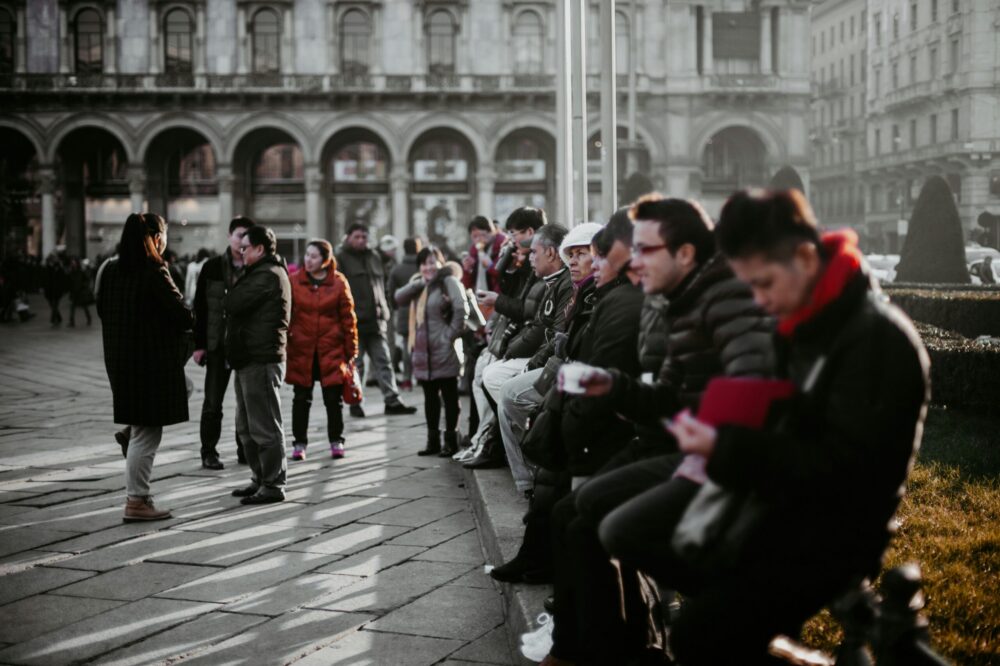
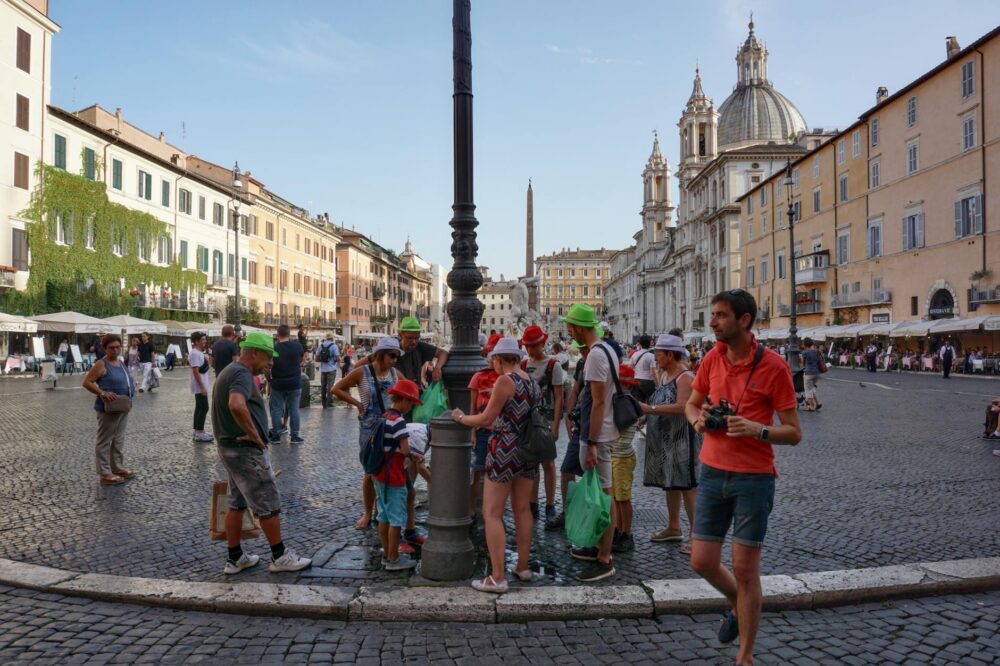
Rome’s Jewish Ghetto, one of the city’s most historic and atmospheric neighborhoods, is a must-visit for its rich history, kosher cuisine, and charming cobblestone streets. But finding a great coffee spot here can be tricky—tourist traps abound, and quality varies. In 2026, the scene has evolved with new specialty cafes alongside beloved classics. This guide cuts through the noise to reveal the best cafes in Rome near the Jewish Ghetto, whether you’re after a quick espresso, a leisurely cappuccino, or a place to work remotely.
Table des matières:
Why the Jewish Ghetto Is a Coffee Lover’s Destination
The area around the Ghetto—bounded by Via del Portico d’Ottavia, Lungotevere dei Cenci, and Via Arenula—offers a unique blend of tradition and innovation. Here, you’ll find centuries-old bakeries serving kosher pastries alongside third-wave coffee roasters. The best cafes in Rome near the Jewish Ghetto in 2026 reflect this duality: they honor Roman coffee culture while embracing modern trends like pour-over and single-origin beans.
What to Look For in a Ghetto-Area Cafe
- Authentic espresso: A proper Roman espresso should have a rich crema and balanced bitterness.
- Kosher options: Many cafes in the Ghetto offer kosher pastries and dairy-free alternatives.
- Ambiance: Look for places with outdoor seating or historic interiors that match the neighborhood’s character.
- Wi-Fi and workspace: If you’re a digital nomad, check for reliable internet and power outlets.
Top 5 Best Cafes in Rome Near the Jewish Ghetto in 2026
These cafes have been selected based on coffee quality, atmosphere, service, and proximity to the Ghetto. Prices are approximate as of 2026.
| Cafe Name | Address | Specialty | Price Range |
|---|---|---|---|
| Antico Caffè del Ghetto | Via del Portico d’Ottavia, 2 | Kosher espresso, ricotta cheesecake | €1.50–€5 |
| Farine & Co. | Via del Portico d’Ottavia, 11 | Specialty filter coffee, croissants | €2–€7 |
| Pasticceria Boccione | Via del Portico d’Ottavia, 1 | Jewish ricotta cake, espresso | €1–€4 |
| Roscioli Caffè | Via dei Giubbonari, 21 | Italian espresso, gourmet pastries | €2–€8 |
| Mastrogiorgio | Via dei Falegnami, 12 | Artisan coffee, brunch | €3–€10 |
1. Antico Caffè del Ghetto: A Historic Institution
Located right on the main square of the Ghetto, this cafe has been serving locals since the 1930s. In 2026, it remains a top pick for its strong, no-nonsense espresso and kosher pastries. The outdoor tables offer prime people-watching, and the interior retains its vintage charm.
Pro tip: Order a caffè shakerato (shaken iced coffee) in summer—it’s refreshing and perfectly sweetened.
2. Farine & Co.: Modern Specialty Coffee
This relative newcomer focuses on single-origin beans and precise brewing methods. The baristas are knowledgeable and happy to recommend a pour-over or cold brew. Their croissants, baked fresh daily, are among the best in the area.
Mistake to avoid: Don’t ask for a cappuccino after 11 AM—locals consider it a breakfast drink only. Stick to espresso or macchiato later in the day.
3. Pasticceria Boccione: The Bakery That Does Coffee
Famous for its Jewish ricotta cheesecake (crostata di ricotta), Boccione also serves a decent espresso. It’s a tiny spot with no seating, so grab a coffee and cake to go. The lines can be long, but the quality is worth it.
4. Roscioli Caffè: Gourmet Experience
While technically just outside the Ghetto, Roscioli is a five-minute walk and offers exceptional coffee and pastries. Their espresso is made from a blend of Arabica and Robusta beans, roasted in-house. The attached deli sells gourmet Italian products.
5. Mastrogiorgio: A Hidden Gem
Tucked away on a quiet side street, Mastrogiorgio is a favorite among locals for its relaxed vibe and excellent brunch. Their flat white is as good as any in London or Melbourne. The cafe also has a small co-working space upstairs.
How to Order Coffee Like a Local in the Jewish Ghetto
Understanding Italian coffee culture will enhance your experience. Here’s a quick checklist:
- Stand at the bar: Coffee costs less if you drink it standing. Sitting at a table adds a service charge.
- Order by name: Un caffè means a single espresso. For a double, say caffè doppio.
- No cappuccino after meals: Italians rarely drink milk-based coffee after 11 AM or with food.
- Pay first: Many cafes require you to pay at the register, then give the receipt to the barista.
Kosher Coffee Options: What You Need to Know


For observant visitors, finding kosher coffee near the Ghetto is straightforward. Several cafes, including Antico Caffè del Ghetto and Pasticceria Boccione, are certified kosher. However, not all coffee shops in the area are. If you keep kosher, look for a kosher sign or ask for latte made with soy or almond milk at non-kosher spots.
Dairy and Meat Separation
Kosher cafes typically serve only dairy (milchig) or pareve (neutral) items. Avoid ordering meat dishes at a dairy cafe. Many Ghetto cafes are dairy-only, so a cappuccino after a meat meal isn’t possible—opt for a black coffee instead.
Remote Work-Friendly Cafes Near the Jewish Ghetto
If you need to work, not all cafes welcome laptops. Here are the best options for digital nomads:
- Mastrogiorgio: Offers free Wi-Fi and a quiet upstairs area with power outlets.
- Farine & Co.: Has a few tables with good lighting and reliable internet.
- Roscioli Caffè: Busy but spacious; ask for a table near the back.
Warning: Avoid using laptops at Antico Caffè del Ghetto or Boccione—they are too small and crowded.
Beyond Coffee: What to Eat at These Cafes
Pair your coffee with local specialties:
- Jewish artichokes (carciofi alla giudia): Available at nearby restaurants, not cafes, but worth seeking out.
- Ricotta cheesecake: A must at Boccione.
- Maritozzo: A sweet bun filled with whipped cream, found at Roscioli.
- Biscotti: Perfect for dipping in espresso.
Frequently Asked Questions About Cafes in the Jewish Ghetto
Are the best cafes in Rome near the Jewish Ghetto open on Saturdays?
Most cafes in the Ghetto are open on Saturday, but some kosher establishments may close for Shabbat. Check individual hours online before visiting.
Can I find gluten-free pastries at these cafes?
Yes, Farine & Co. and Roscioli Caffè offer gluten-free options. Always confirm with staff as availability changes.
What is the average price of a coffee in the Ghetto?
An espresso at the bar costs around €1.10–€1.50. A cappuccino at a table can be €3–€5. Specialty drinks like pour-over may cost €4–€7.
Is tap water safe to drink in Rome?
Yes, Rome’s tap water is safe and drinkable. Many cafes will give you a glass of water with your coffee if you ask.
Which cafe has the best view?
Antico Caffè del Ghetto offers outdoor seating with a view of the Portico d’Ottavia ruins. For a river view, walk to Lungotevere and find a bench—no cafe there has a direct view.
Do these cafes accept credit cards?
Most do, but smaller spots like Boccione are cash-only. Always carry some euro coins.
Whether you’re a coffee connoisseur or a casual visitor, the best cafes in Rome near the Jewish Ghetto in 2026 offer something for everyone. From the historic charm of Antico Caffè del Ghetto to the modern precision of Farine & Co., each spot brings its own flavor to the neighborhood. Use this guide to navigate the scene, avoid common mistakes, and savor every sip. And remember: in Rome, coffee is a ritual—so take your time, stand at the bar, and enjoy the moment.
Photo by Sean Jahansooz on Unsplash
Are there any cafes near the Ghetto that offer vegan pastries? I’m dairy-free and would love to find something beyond espresso.
Yes! Farine & Co. often has vegan croissants (check daily), and Antico Caffè del Ghetto offers dairy-free options like their ricotta cheesecake made with soy milk upon request. For a sure bet, try Pasticceria Boccione’s Jewish ricotta cake, which is naturally dairy-free.
Great list! I’m planning a trip in 2026 and want to work remotely one morning. Which cafe has the best Wi-Fi and power outlets?
Mastrogiorgio is your best bet for remote work—they have reliable Wi-Fi, plenty of power outlets, and a brunch menu that keeps you fueled. Farine & Co. also has decent Wi-Fi but fewer outlets, so arrive early to snag a spot near the wall.
Is it true that locals don’t order cappuccino after 11 AM? I always thought that was a myth.
It’s not a myth—it’s a strong tradition in Rome. Most Italians believe that milk-based drinks are too heavy for digestion after a meal. If you order a cappuccino at 3 PM, you might get a polite smile but also a few raised eyebrows. Stick to espresso or macchiato in the afternoon, and save the cappuccino for breakfast.
Thanks for the pro tip about the caffè shakerato at Antico Caffè del Ghetto! I’ll be visiting in August and need something refreshing.
You’re welcome! The shakerato is a summer lifesaver—it’s espresso shaken with ice and sugar until frothy, then strained into a chilled glass. Antico Caffè del Ghetto makes an excellent one. For a twist, Roscioli Caffè sometimes offers a shakerato with a touch of vanilla syrup. Enjoy your trip!