
Table des matières:
Where Should First-Time Visitors Stay in Rome?
If you’re planning your first trip to Rome, choosing the right area to stay can make or break your experience. Rome is a sprawling city with layers of history, and each neighborhood offers a different vibe. For first-time visitors, the best area to stay in Rome is Centro Storico (the historic center) or Trastevere — but the ideal choice depends on your priorities: proximity to major sights, nightlife, budget, or authentic local atmosphere.
This guide breaks down the top neighborhoods for first-timers, their pros and cons, and practical tips to help you decide. We’ll cover everything from walkability to dining, so you can book with confidence.
What Makes an Area Best for First-Time Visitors?
Before diving into specific neighborhoods, it helps to understand what criteria matter most for a first-time Rome trip:
- Walkability to major attractions — You’ll want to reach the Colosseum, Trevi Fountain, and Pantheon on foot or with a short metro ride.
- Access to public transport — Metro lines A and B, buses, and trams are essential for reaching Vatican City or farther areas.
- Safe and vibrant atmosphere — You want to feel comfortable walking around at night, with plenty of restaurants and cafes nearby.
- Accommodation variety — From budget hostels to luxury hotels, the area should offer options for different budgets.
- Authentic Roman character — Avoid overly touristy zones that lack local flavor.
Top 5 Areas to Stay in Rome for First-Timers
1. Centro Storico (Historic Center) — Best for First-Timers Who Want to Be in the Heart of It All
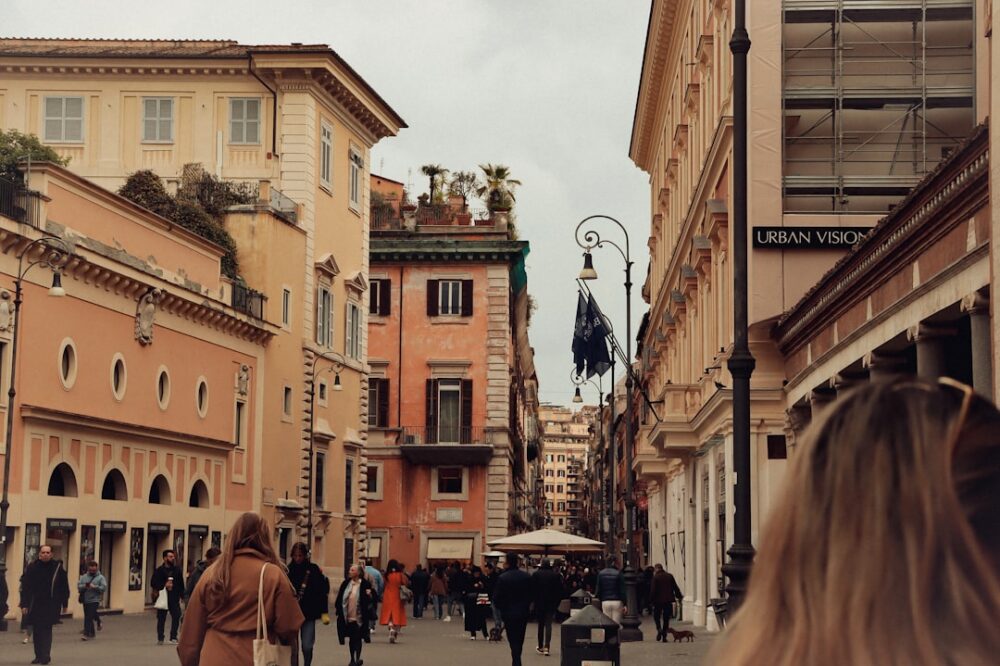
Centro Storico is the historic core of Rome, encompassing landmarks like the Pantheon, Piazza Navona, Trevi Fountain, and the Spanish Steps. This is the best area to stay in Rome for first-time visitors who want to be steps away from the city’s most iconic sights.
Pros:
- Unbeatable location — you can walk to almost everything.
- Breathtaking piazzas and narrow cobblestone streets.
- Excellent restaurants, gelaterias, and shops.
Cons:
- Expensive accommodation and dining.
- Very crowded, especially in peak season.
- Can be noisy at night.
Best for: First-timers who prioritize convenience and don’t mind crowds or higher prices.
2. Trastevere — Best for Authentic Roman Atmosphere and Nightlife
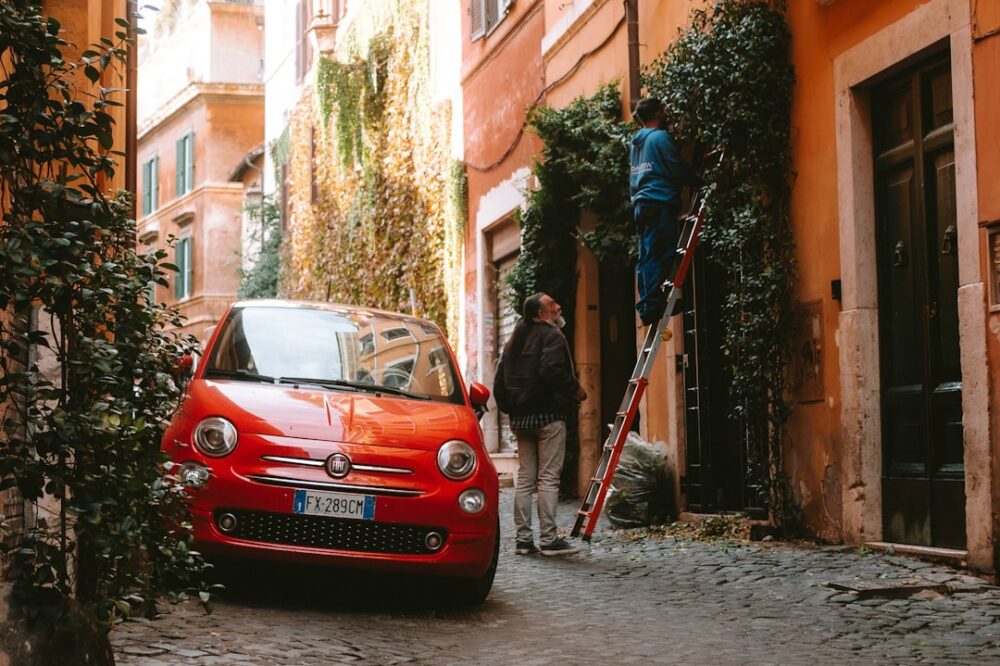
Cross the Tiber River to Trastevere, a charming neighborhood with medieval alleys, ivy-covered buildings, and a lively piazza. It’s known for its authentic Roman trattorias and vibrant nightlife, yet it’s a short walk to the historic center.
Pros:
- Authentic local feel with fewer chain stores.
- Fantastic food scene — some of the best pasta in Rome.
- Lively evenings, especially in Piazza di Santa Maria.
- More affordable than Centro Storico.
Cons:
- Can be noisy at night due to bars and restaurants.
- Limited metro access (nearest stop is Piramide, a 15-minute walk).
- Some streets are very steep.
Best for: First-timers who want a local experience and enjoy evening strolls and aperitivos.
3. Monti — Best for Hipster Vibes and Proximity to the Colosseum
Monti is Rome’s oldest neighborhood, nestled between the Colosseum and the Imperial Fora. It’s a trendy area with vintage shops, artisan boutiques, and cozy wine bars. The vibe is young and artistic.
Pros:
- Steps from the Colosseum and Roman Forum.
- Less crowded than Centro Storico.
- Unique shops and cafes.
- Good metro access (Cavour and Colosseo stations).
Cons:
- Can be hilly in parts.
- Limited nightlife compared to Trastevere.
- Some streets are less picturesque.
Best for: First-timers interested in ancient history and a bohemian atmosphere.
4. Prati — Best for Vatican City Visitors and Quiet Elegance
Prati is a refined, residential neighborhood near Vatican City. It’s known for its wide boulevards, elegant architecture, and excellent shopping along Via Cola di Rienzo. It’s quieter than the historic center but still well-connected.
Pros:
- Close to St. Peter’s Basilica and Vatican Museums.
- Less touristy and more relaxed.
- Great for families and those seeking a peaceful stay.
- Metro A stops (Ottaviano and Lepanto) provide easy access to the rest of Rome.
Cons:
- Fewer historic landmarks within the neighborhood itself.
- More expensive than Monti or Trastevere.
- Less nightlife.
Best for: First-timers who want to explore Vatican City extensively and prefer a quiet, upscale area.


5. Termini & Esquilino — Best for Budget Travelers and Convenient Transport
The area around Termini Station is Rome’s main transport hub, with two metro lines, buses, and trains. Esquilino is a multicultural neighborhood with affordable accommodations and excellent street food. It’s not the most picturesque, but it’s practical.
Pros:
- Cheapest accommodations in Rome.
- Unbeatable transport connections — easy to reach anywhere.
- Lively street markets and ethnic cuisine.
- Close to Santa Maria Maggiore and the Colosseum (15-min walk).
Cons:
- Can feel seedy at night; some areas are less safe.
- Not charming — it’s a busy, functional area.
- Fewer traditional Roman restaurants.
Best for: Budget-conscious first-timers who prioritize convenience and don’t mind a less romantic setting.
Comparison Table: Best Areas to Stay in Rome for First-Timers
| Neighborhood | Walkability to Major Sights | Atmosphere | Budget | Best For |
|---|---|---|---|---|
| Centro Storico | Excellent | Touristy, vibrant | $$$ | First-timers wanting proximity |
| Trastevere | Good (15-20 min walk) | Authentic, lively | $$ | Foodies, nightlife lovers |
| Monti | Excellent (Colosseum) | Hip, artistic | $$ | History buffs, young travelers |
| Prati | Good (Vatican) | Elegant, quiet | $$$ | Vatican visitors, families |
| Termini/Esquilino | Moderate | Busy, multicultural | $ | Budget travelers |
How to Choose the Best Area for Your Rome Trip
Consider these factors when making your decision:
- Duration of stay: If you’re only in Rome for 2-3 days, stay in Centro Storico or Monti to maximize sightseeing time. For longer stays, Trastevere or Prati offer more space and local life.
- Travel style: Solo travelers and couples may enjoy Trastevere’s romantic alleys; families often prefer Prati’s quiet streets; backpackers gravitate to Termini for budget hostels.
- Transport needs: If you plan to take day trips (e.g., Pompeii, Florence), staying near Termini is convenient. Otherwise, metro access is good in most central areas.
- Noise tolerance: Light sleepers should avoid Trastevere and Centro Storico’s main piazzas. Prati or Monti’s side streets are quieter.
Common Mistakes First-Time Visitors Make When Choosing Accommodation
- Booking too far from the center: Rome’s outskirts are not well-connected; you’ll waste time commuting.
- Ignoring the metro map: Some charming areas (like Trastevere) have limited metro access; check bus routes if you rely on public transport.
- Choosing solely based on price: The cheapest area (Termini) can be stressful for first-timers; consider paying a bit more for a better experience.
- Not reading recent reviews: Neighborhoods change; always check recent guest reviews for safety and noise.
Practical Checklist for Booking Your Stay
- ☐ Book at least 2-3 months in advance for peak seasons (Easter, summer, Christmas).
- ☐ Check if the hotel is in a limited traffic zone (ZTL) — driving is restricted in Centro Storico.
- ☐ Confirm the nearest metro stop and walking distance to key sights.
- ☐ Look for accommodations with breakfast included to save time and money.
- ☐ Read about the area’s nightlife if you’re a light sleeper.
Frequently Asked Questions
Is the best area to stay in Rome for first-time visitors also the safest?
Yes, the top areas for first-timers — Centro Storico, Trastevere, Monti, and Prati — are generally very safe. Use common sense at night, especially around Termini.
Should I stay near the Colosseum or the Vatican?
It depends on your interests. For ancient history, stay near the Colosseum (Monti). For Vatican visits, Prati is ideal. If you want both, choose Centro Storico as a middle ground.
Can I walk everywhere in Rome?
Most central attractions are within a 30-minute walk of each other. However, Vatican City is a 40-minute walk from the Colosseum, so you may want to use the metro for that leg.
What is the best area for nightlife in Rome for first-timers?
Trastevere is the top choice for nightlife, with countless bars and restaurants. Testaccio is also popular but less central.
Is it better to stay in a hotel or Airbnb in Rome?
Both work. Hotels offer convenience and concierge services; Airbnbs provide more space and local feel. Ensure the Airbnb is licensed and in a safe building.
How many days should a first-time visitor stay in Rome?
At least 3-4 days to see the main sights without rushing. Add 1-2 days for day trips or deeper exploration.
Final Thoughts on the Best Area to Stay in Rome for First-Time Visitors
Choosing the best area to stay in Rome for first-time visitors ultimately depends on your personal preferences. For most, Centro Storico offers unmatched convenience, while Trastevere provides authentic Roman charm. If you’re on a budget, Monti strikes a great balance. Whichever you choose, Rome’s magic is everywhere — you’ll fall in love with the city no matter where you rest your head.
Ready to book your Roman holiday? Start by narrowing down your priorities, then use this guide to pick the perfect neighborhood. Buon viaggio!
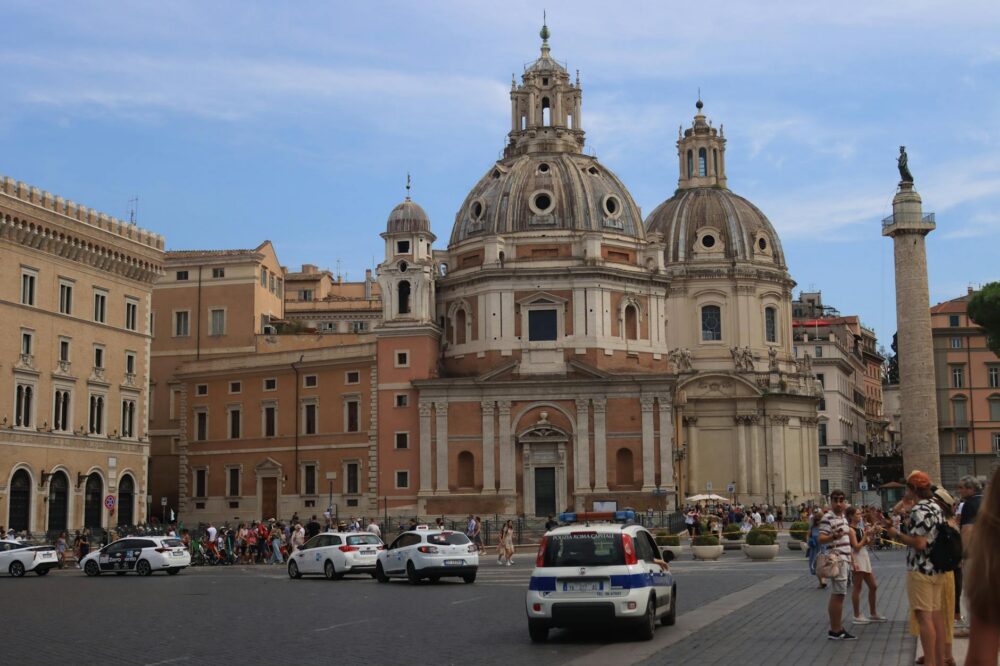
Photo by Jiri Ikonomidis on Pexels

Great article! I’m torn between Centro Storico and Trastevere. For a first-time visitor who wants to see the main sights but also enjoy good food and a local vibe, which would you recommend?
Thanks for the question! If you want to be in the heart of the action and walk to sights like the Colosseum and Trevi Fountain, Centro Storico is unbeatable. But if you prefer a more authentic, lively atmosphere with fantastic restaurants and don’t mind a 15-20 minute walk to the main attractions, Trastevere is a wonderful choice. Many first-timers split their stay — a few nights in Centro Storico for sightseeing and a few in Trastevere for the food and nightlife.
I’m planning a trip with my parents who have mobility issues. Which area would be best for easy walking and access to public transport?
For mobility concerns, Centro Storico is generally the best choice because the main sights are close together and the streets are relatively flat in the core areas. However, some streets can be cobblestone. The area around Piazza Navona and the Pantheon is quite walkable. Avoid Trastevere due to its steep streets and limited metro access. Also consider staying near a metro station like Repubblica or Barberini for easy access to the Vatican and other areas.