
Table des matières:
Why Turkey’s Ancient Ruins Are Unmissable in 2026
Turkey holds more ancient ruins than almost any other country. In 2026, new excavations, improved visitor facilities, and fewer crowds at certain sites make it an ideal time to explore. Whether you are a history buff or a casual traveler, these ruins offer a direct link to civilizations that shaped the world.
From the marble streets of Ephesus to the mysterious stone circles of Göbekli Tepe, each site tells a unique story. This guide covers the best ancient ruins to see in Turkey in 2026, with practical tips to make your visit smooth and memorable.
Ephesus: The Crown Jewel of Aegean Turkey
Ephesus remains the most famous ancient city in Turkey, and for good reason. Its well-preserved Roman architecture draws millions of visitors each year. In 2026, ongoing restoration of the Terrace Houses offers even more to see.
What to See at Ephesus
- Library of Celsus – The iconic two-story facade is a must-photo spot.
- Great Theatre – A massive 25,000-seat venue with stunning acoustics.
- Terrace Houses – Recently opened areas show how wealthy Romans lived, with mosaics and frescoes.
Practical Tips for 2026
Arrive early (by 8:00 AM) to avoid the tour bus crowds. The site opens at 8:30 AM, but queues form quickly. Combine your visit with the nearby House of the Virgin Mary for a full day trip from Selçuk or Kuşadası.
Göbekli Tepe: Rewriting Human History
Dating back to 9600 BCE, Göbekli Tepe is the world’s oldest known temple complex. Its massive T-shaped limestone pillars, carved with animal reliefs, challenge our assumptions about early societies. In 2026, a new protective shelter and visitor center enhance the experience.
Why It’s a Must-See
This UNESCO World Heritage site predates Stonehenge by 6,000 years. The sheer scale and precision of the stonework are awe-inspiring. Unlike many ruins, Göbekli Tepe was deliberately buried, preserving it for millennia.
Visiting in 2026
The site is near Şanlıurfa in southeastern Turkey. Fly to Şanlıurfa GAP Airport, then take a 30-minute taxi. Plan at least two hours on site. The new museum in Şanlıurfa also displays artifacts from the excavation.
Hagia Sophia and the Hippodrome: Byzantine and Ottoman Layers
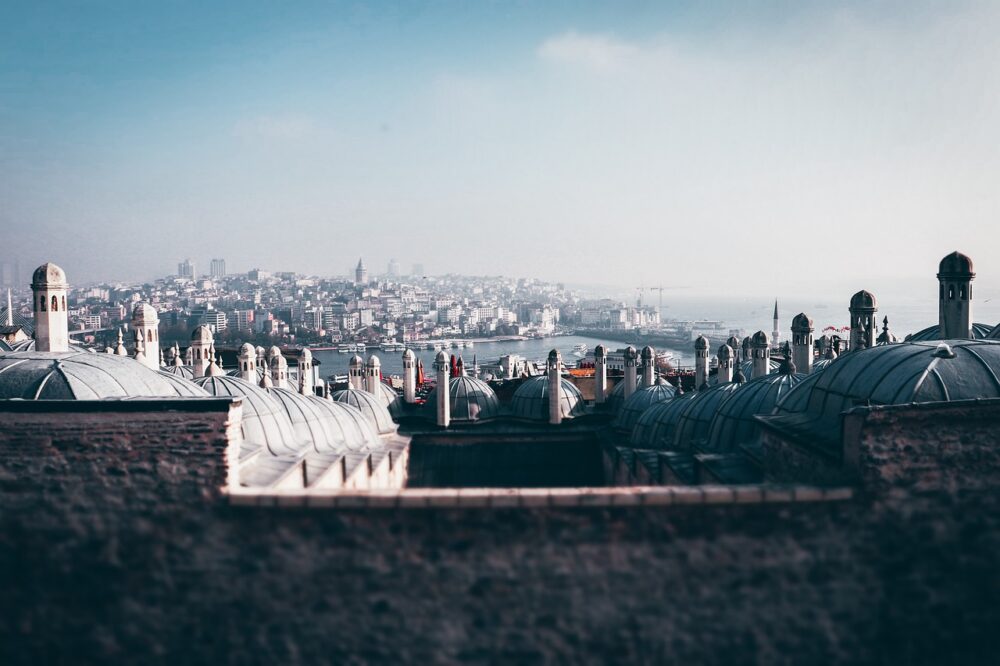
In Istanbul, the Hagia Sophia is more than a building—it’s a timeline of empires. Originally a Byzantine cathedral, then a mosque, now a museum and mosque again, its massive dome and stunning mosaics are iconic. The nearby Hippodrome, once a chariot-racing arena, still has obelisks and a serpent column.
What to Focus On
- Dome and Mosaics – The 6th-century engineering feat and glittering gold backgrounds.
- Upper Gallery – Offers the best views of the interior and some of the finest mosaics.
- Serpent Column – A bronze column from Delphi, dating to 479 BCE.
2026 Considerations
Entry is free for Turkish citizens, but international visitors pay a fee. Expect long queues; book skip-the-line tickets in advance. The site is open daily except during prayer times.
Cappadocia’s Underground Cities: Derinkuyu and Kaymaklı
Beneath the fairy chimneys of Cappadocia lie vast underground cities carved from soft volcanic rock. Derinkuyu, the deepest, descends 60 meters and could shelter 20,000 people. Kaymaklı is slightly smaller but equally fascinating.
Exploring Derinkuyu
You’ll crawl through narrow tunnels, past stables, kitchens, wineries, and chapels. The ventilation shafts and rolling stone doors show advanced engineering. In 2026, only a portion is open to the public, but it’s enough to grasp the scale.
Practical Advice
Wear sturdy shoes and be prepared for tight spaces. Claustrophobic? Opt for Kaymaklı, which has wider corridors. Both sites are about 30 minutes from Göreme. Combine with a hike through the Ihlara Valley for a full day.
Hierapolis and Pamukkale: Cotton Castles and a Roman Spa City
Pamukkale’s white travertine terraces are a natural wonder, but the ruins of Hierapolis atop them are equally impressive. This Roman spa city thrived on its thermal springs. You can still bathe in the ancient pool, surrounded by fallen columns.
Must-See Features
- Necropolis – One of the largest ancient cemeteries in Anatolia.
- Antique Pool – Swim among submerged Roman ruins.
- Theatre – Well-preserved with intricate stage reliefs.
2026 Tips
Visit in the late afternoon to avoid heat and crowds. The terraces are best photographed at sunset. Wear water shoes for the travertine pools.
Pergamon: Acropolis and Asclepion
The ancient city of Pergamon (Bergama) boasts a dramatic acropolis perched on a hill. Its library once rivaled Alexandria’s. The Asclepion, a medical center, used dream therapy and hydrotherapy.
Highlights
- Altar of Zeus – Now in Berlin, but the base remains.
- Red Basilica – A massive Roman temple later turned into a church.
- Theatre – Steepest ancient theatre, with 10,000 seats.
Getting There
From Izmir, take a bus to Bergama (2 hours). The cable car to the acropolis saves a steep climb. Allow 4-5 hours for both sites.
Aphrodisias: City of Love and Marble
Dedicated to Aphrodite, this city is famous for its sculptors and high-quality marble. The stadium is one of the best-preserved in the world, seating 30,000. The Sebasteion reliefs depict emperors and gods.
Why Visit in 2026
Less crowded than Ephesus, Aphrodisias offers a more serene experience. The on-site museum displays exquisite statues. The site is near the village of Geyre, about 3 hours from Izmir.
Side and Aspendos: Roman Theatre on the Coast
The ancient port city of Side has a well-preserved theatre right by the sea. Nearby Aspendos boasts the best-preserved Roman theatre in the world, still used for performances today.
What to See
- Aspendos Theatre – Nearly intact, with perfect acoustics.
- Side Agora and Temples – Ruins scattered among modern shops.
- Side Museum – Housed in a Roman bath.
Practical Note
Both are near Antalya. Rent a car or join a tour. Visit Aspendos early, then spend the afternoon exploring Side’s harbor.
Mount Nemrut: The Throne of the Gods
At 2,134 meters, Mount Nemrut is home to the tomb-sanctuary of King Antiochus I. Giant limestone heads of gods and animals sit in two terraces, facing east and west. The sunrise view is legendary.
Visiting in 2026
The site is remote, near Adıyaman. Most visitors arrive for sunrise. The road is paved, but the last 500 meters are a steep walk. Bring warm clothes—even in summer, it’s cold at dawn.
Checklist: Planning Your Ruins Tour in 2026
| Site | Best Time to Visit | Minimum Time Needed | Nearby City |
|---|---|---|---|
| Ephesus | May-June or Sept-Oct | 3 hours | Selçuk |
| Göbekli Tepe | March-May or Sept-Nov | 2 hours | Şanlıurfa |
| Hagia Sophia | Year-round (avoid weekends) | 2 hours | Istanbul |
| Derinkuyu | April-June or Sept-Oct | 1.5 hours | Nevşehir |
| Hierapolis | May-June or Sept | 3 hours | Denizli |
| Pergamon | April-May or Sept-Oct | 4 hours | Bergama |
| Aphrodisias | April-June or Sept-Oct | 3 hours | Geyre |
| Aspendos | March-May or Oct-Nov | 1 hour | Antalya |
| Mount Nemrut | May-Sept (sunrise) | 2 hours at site | Adıyaman |
Common Mistakes to Avoid When Visiting Turkish Ruins
- Underestimating walking distances – Ephesus and Pergamon require significant walking; wear comfortable shoes.
- Skipping the museum – Many sites have excellent on-site museums that provide context.
- Ignoring weather – Summer heat can be brutal; bring water, hat, sunscreen.
- Not booking ahead – For popular sites like Hagia Sophia, pre-book tickets to avoid long waits.
- Rushing – Spend at least half a day at major ruins to truly absorb them.
Frequently Asked Questions
Which ancient ruin in Turkey is the most impressive?
Ephesus is the most complete and visually stunning, but Göbekli Tepe is the most historically significant. It depends on your interests.
How many days do I need to see the best ruins?
A minimum of 10 days allows you to cover Ephesus, Cappadocia, Pamukkale, and Istanbul. For a broader tour including Göbekli Tepe and Mount Nemrut, plan 14-16 days.
Are Turkey’s ancient ruins safe to visit in 2026?
Yes. All major sites are well-maintained and safe. Always follow site rules and stay on marked paths.
What is the best time of year to visit Turkish ruins?
Spring (April-May) and autumn (September-October) offer mild weather and fewer crowds. Summer can be very hot, especially at inland sites.
Can I visit Göbekli Tepe in a day from Istanbul?
It’s possible but tight. You’d need an early flight to Şanlıurfa, visit the site, and return. Overnight in Şanlıurfa is recommended.
Do I need a guide for these ruins?
Not necessary, but a guide adds depth. Audio guides are available at most sites. For Göbekli Tepe and Aphrodisias, a guide helps explain the context.
Final Thoughts: Your 2026 Ancient Ruins Adventure Awaits
Turkey’s ancient ruins offer an unparalleled journey through time. Whether you stand before the Library of Celsus, walk the underground tunnels of Derinkuyu, or watch the sunrise over Mount Nemrut, you’ll connect with history in a profound way. In 2026, take advantage of improved access and fewer crowds to explore these wonders. Plan ahead, pack wisely, and let the stories of the past enrich your travels.
Photo by rus-burkhanov on Pixabay
I’m planning a trip to Turkey in 2026 and this guide is very helpful. For Ephesus, you mention arriving by 8:00 AM to avoid crowds. Is it worth visiting the Terrace Houses even with the extra fee, or can you see enough from the main path?
Great question! The Terrace Houses are definitely worth the extra fee. They offer a rare glimpse into the daily lives of wealthy Romans, with well-preserved mosaics and frescoes that you can’t see from the main path. The entrance is separate, but it adds about an hour to your visit. If you have the time and interest in history, I’d highly recommend it.
I’ve always wanted to see Göbekli Tepe. Is it easy to get there from Istanbul, or should I plan a separate trip? Also, are there any accommodation options near the site?
Getting to Göbekli Tepe from Istanbul requires a flight to Şanlıurfa GAP Airport (about 1.5 hours). From there, it’s a short taxi ride. It’s best to plan a dedicated trip to southeastern Turkey, as it’s far from other major ruins. For accommodation, Şanlıurfa city center has many hotels ranging from budget to luxury, and the drive to the site is only 30 minutes. You can easily do it as a day trip from the city.