
Table des matières:
Why Strasbourg Remains the Heart of Alsatian Gastronomy in 2026
Strasbourg’s culinary scene has always been a crossroads of French finesse and German heartiness, but in 2026, it’s more vibrant than ever. Whether you’re a first-time visitor or a returning food lover, the question remains: where to find the best Alsatian cuisine in Strasbourg in 2026? This guide cuts through the noise to bring you the essential addresses, from century-old winstubs to innovative bistros that honor tradition while embracing modernity.
The Essence of Alsatian Cuisine: What to Look For
Alsatian cooking is built on rich, comforting dishes that reflect the region’s terroir. Key ingredients include sauerkraut (choucroute), pork, foie gras, Munster cheese, and the famous Alsatian wines. In 2026, top restaurants are also emphasizing local, organic produce and sustainable sourcing. When searching for the best Alsatian cuisine, prioritize places that use regional products and respect traditional techniques.
Must-Try Dishes in Strasbourg
- Choucroute garnie: The iconic sauerkraut dish with sausages, pork, and potatoes.
- Tarte flambée (Flammekueche): A thin, crispy tart topped with crème fraîche, onions, and bacon.
- Baeckeoffe: A slow-cooked casserole of marinated meats and potatoes.
- Foie gras: Often served as a starter or on a brioche toast.
- Munster cheese: A strong, washed-rind cheese perfect with cumin.
- Kougelhopf: A sweet or savory yeasted cake.
Top Restaurants for Authentic Alsatian Food in 2026
Strasbourg offers a spectrum of dining experiences. Below are the standout establishments that answer the query where to find the best Alsatian cuisine in Strasbourg in 2026 across different budgets and styles.
Traditional Winstubs: The Soul of Alsace
Winstubs are cozy, wood-paneled taverns serving classic Alsatian fare. These are the best places for an authentic, unpretentious meal.
1. Maison Kammerzell
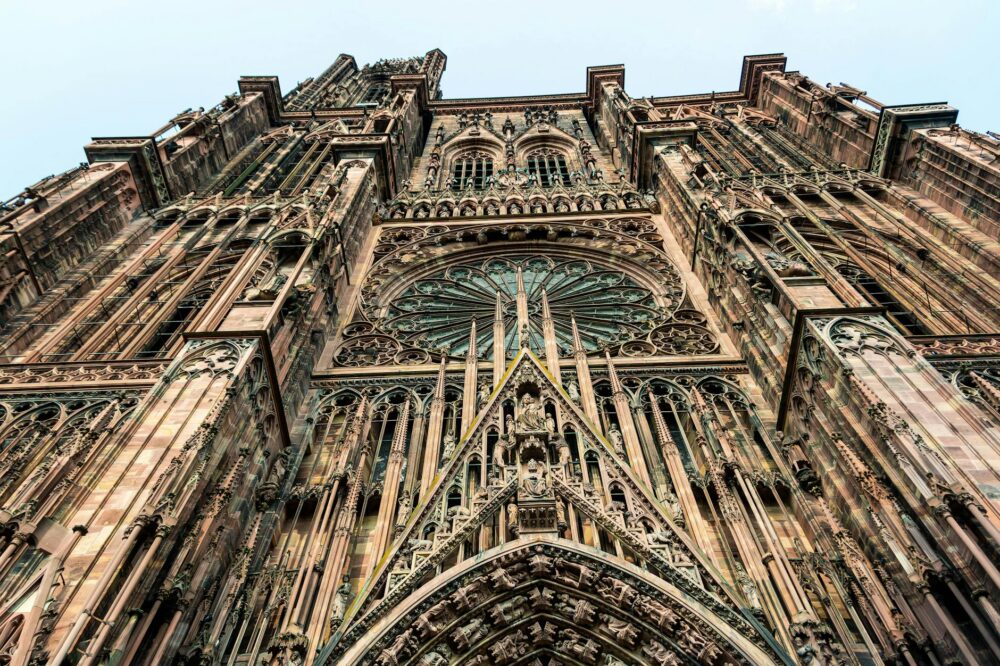
Located in a stunning 15th-century building on Cathedral Square, Maison Kammerzell is a Strasbourg institution. While touristy, its choucroute and tarte flambée are consistently excellent. Book ahead for a table with a view of the cathedral.
2. Le Clou
A favorite among locals, Le Clou serves hearty portions of baeckeoffe and choucroute in a warm setting. Their wine list features over 30 Alsatian references. Expect to queue on weekends.
3. La Hache
This winstub near the cathedral offers a daily changing menu based on market produce. Their tarte flambée is legendary, and the staff is happy to recommend wine pairings.
Modern Interpretations: Alsatian Cuisine Reimagined
For a contemporary twist, several chefs are reworking traditional dishes with modern techniques while staying true to local ingredients.
1. Le Gavroche
Chef Jean-Pierre Klein offers a tasting menu that deconstructs classics like choucroute into elegant bites. The ambiance is sleek, yet the flavors are unmistakably Alsatian. Reserve well in advance.
2. Les Sales Gosses
This bistro in the Krutenau district focuses on seasonal, locally sourced ingredients. Their baeckeoffe is reimagined as a deconstructed dish, and the cheese plate features exclusively Alsatian cheeses.
3. 1741
Named after the year the building was built, this restaurant combines historical charm with a modern menu. Try their foie gras with poached quince or the venison stew in winter.
Michelin-Starred Excellence
For an unforgettable gourmet experience, these starred restaurants showcase Alsatian cuisine at its peak.
1. Le Crocodile (2 Michelin stars)
Under chef Romain Brillat, Le Crocodile continues to earn accolades. The menu highlights Alsatian products with French haute cuisine techniques. The seven-course tasting menu is a journey through the region.
2. Buerehiesel (1 Michelin star)
Set in a 17th-century farmhouse, Buerehiesel offers a refined take on Alsatian classics. Their choucroute de la mer (seafood sauerkraut) is a signature dish that surprises and delights.
Where to Eat on a Budget: Affordable Alsatian Fare
Not every meal needs to be a splurge. Strasbourg has plenty of options for delicious, budget-friendly Alsatian food.
Best Cheap Eats for Choucroute and Tarte Flambée


| Restaurant | Dish to Try | Price Range |
|---|---|---|
| Chez Yvonne | Choucroute garnie | €15-20 |
| La Cuiller à Pot | Tarte flambée | €8-12 |
| Au Vieux Strasbourg | Baeckeoffe | €12-16 |
These spots are popular with students and locals. Go early to avoid crowds.
Seasonal Specialties: When to Visit for the Best Experience
Alsatian cuisine changes with the seasons. In 2026, plan your visit around these highlights:
- Winter (December-February): Hearty choucroute, game dishes, and Christmas markets with mulled wine and bredele cookies.
- Spring (March-May): Asparagus season (white asparagus from Alsace), often served with ham and hollandaise.
- Summer (June-August): Light tarte flambée, freshwater fish like pike-perch, and local berries.
- Fall (September-November): Mushroom dishes, venison, and the new wine season (Beaujolais Nouveau-style Alsatian wines).
Insider Tips for Dining in Strasbourg
To make the most of your culinary exploration, keep these pointers in mind:
- Reservations are essential for popular winstubs and starred restaurants, especially on weekends and during festivals.
- Look for the “Fait Maison” label (homemade) on menus, which indicates dishes are prepared from scratch.
- Pair your meal with local wines: Riesling, Gewurztraminer, Pinot Gris, or a Crémant d’Alsace.
- Don’t skip dessert: Try a kougelhopf or a slice of tarte aux quetsches (plum tart).
- Ask for the “menu du jour” – it’s often the best value and features seasonal dishes.
Common Mistakes to Avoid When Seeking Alsatian Food
Even seasoned travelers can stumble. Here are pitfalls to avoid:
- Assuming all Alsatian food is heavy: Many modern restaurants offer lighter versions.
- Skipping the wine pairing: Alsatian wines are integral to the meal.
- Overlooking the neighborhood winstubs: The best experiences are often away from the main tourist streets.
- Not checking opening hours: Many restaurants close on Sundays and Mondays.
Your 2026 Checklist for Alsatian Cuisine in Strasbourg
Use this checklist to plan your perfect food itinerary:
- ☐ Book a table at a traditional winstub (e.g., Le Clou or Maison Kammerzell).
- ☐ Try tarte flambée at a local brasserie.
- ☐ Visit a Michelin-starred restaurant for a special occasion.
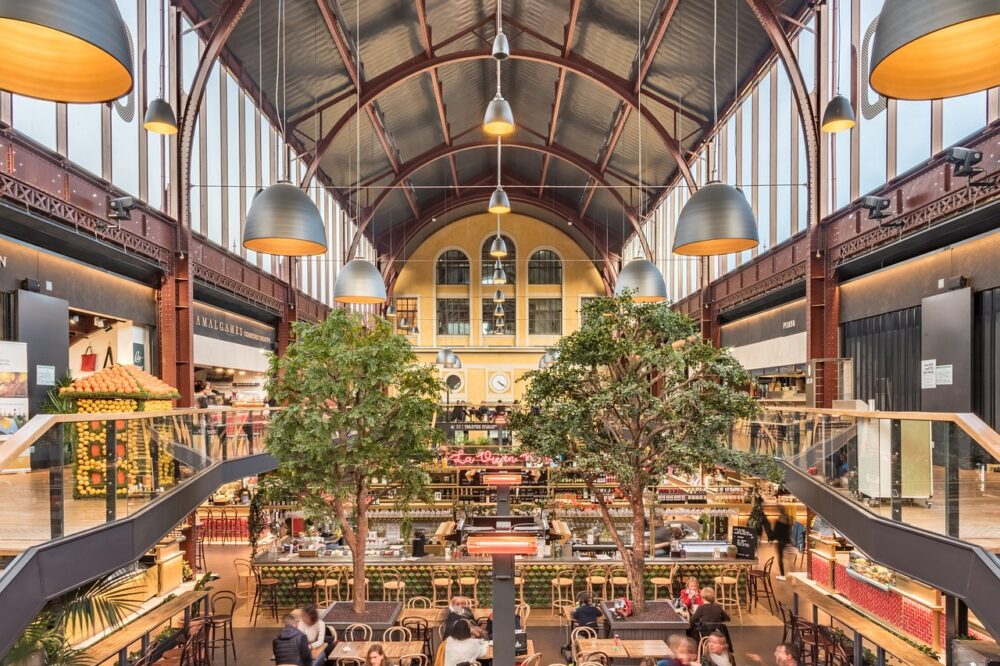
- ☐ Explore the covered market (Marché de la Gare) for local products.
- ☐ Attend a wine tasting at a cave vinicole.
- ☐ Sample Munster cheese with a glass of Gewurztraminer.
- ☐ Save room for a kougelhopf from a pâtisserie.
Frequently Asked Questions About Alsatian Cuisine in Strasbourg
What is the most traditional Alsatian dish?
Choucroute garnie is the most iconic, but tarte flambée and baeckeoffe are equally traditional.
Are there vegetarian options in Alsatian restaurants?
Yes, many restaurants offer vegetarian versions of classics, such as tarte flambée with mushrooms and cheese or vegetable baeckeoffe.
How much does a typical meal cost in Strasbourg?
A three-course meal at a mid-range restaurant costs €30-50 per person, while winstubs are €15-25. Fine dining can exceed €100.
Do I need to speak French to dine well?
No, many menus have English translations, and staff in tourist areas speak English. However, knowing a few phrases like “l’addition, s’il vous plaît” is appreciated.
What is the best time of year for Alsatian cuisine?
Winter is perfect for hearty dishes and Christmas markets, while fall offers game and mushroom specialties. Each season brings unique flavors.
Can I find Alsatian food outside the city center?
Absolutely. Neighborhoods like Krutenau and Gare have excellent, less touristy options. The Orangerie district also has charming bistros.
Final Recommendations for Your Alsatian Food Journey
Strasbourg in 2026 is a paradise for lovers of Alsatian cuisine. From the moment you step into a winstub and smell the sauerkraut and spices, you’ll understand why this region’s food is cherished. To truly answer where to find the best Alsatian cuisine in Strasbourg in 2026, mix tradition with innovation: start at a classic winstub, then explore a modern bistro, and treat yourself to a Michelin-starred meal. Each experience will deepen your appreciation for this unique culinary heritage. Bon appétit!
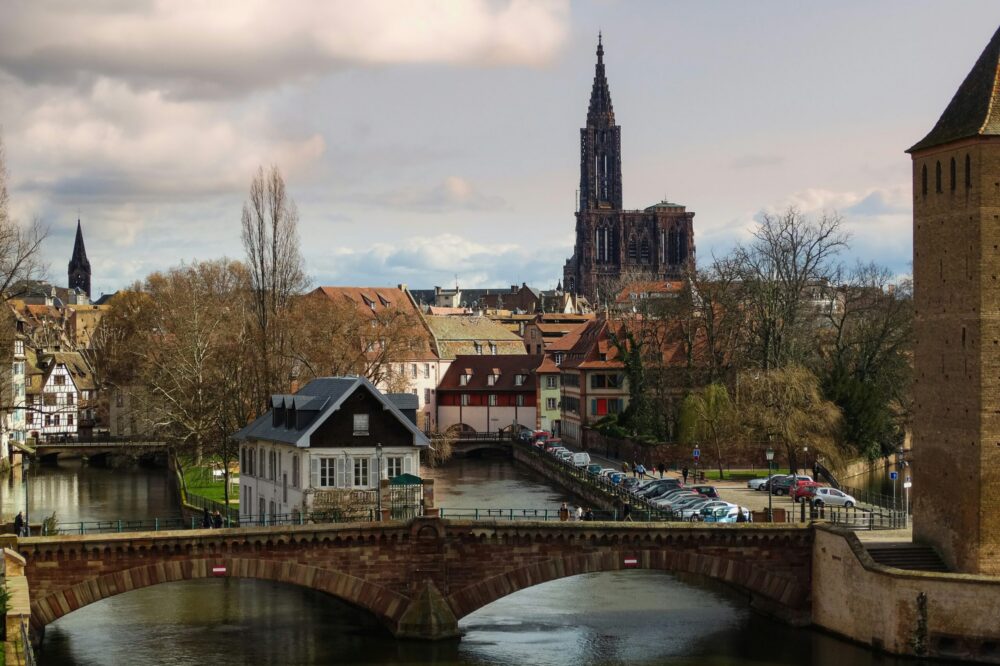
Photo by Zsófia Vera Mezei on Unsplash
Is La Hache really worth the hype for tarte flambée? I’ve heard mixed things.
Absolutely—locals swear by their tarte flambée, which uses a traditional recipe and high-quality bacon. The daily market menu also keeps it fresh. Just go early to avoid the rush.
Great guide! I’m planning a trip in summer 2026 and wondering if any of these restaurants have outdoor seating?
Many do—Maison Kammerzell has a lovely terrace overlooking the cathedral, and Les Sales Gosses offers sidewalk tables in the Krutenau. For a winstub, Le Clou has limited outdoor space, so booking is advised.
Could you recommend a vegetarian-friendly option among these? I love Alsatian food but don’t eat meat.
For vegetarians, Le Gavroche often has a vegetarian tasting menu that reimagines classics without meat. Also, many winstubs offer a ‘tarte flambée forestière’ with mushrooms and cheese, and choucroute can be made with fish instead of pork at places like Maison Kammerzell.
I’m visiting in 2026 and want to try baeckeoffe. Which restaurant does it best?
Le Clou is famous for its baeckeoffe—slow-cooked and generously portioned. For a modern twist, try Le Gavroche’s deconstructed version. Both are excellent choices.
Thanks for the list! Are reservations essential at Le Clou on weekdays?
Yes, especially for dinner. Le Clou is popular with locals, and weekends can be packed. Weekday lunch might be walk-in friendly, but I’d still book to be safe.