
Last updated on May 3rd, 2026 at 10:52 pm
Table des matières:
Quick Answer: Are the Gardens Open?
Yes, the gardens of the Musée des Jacobins in Toulouse are open to the public. Visitors can explore the peaceful cloister garden and the surrounding green spaces during the museum’s opening hours. This historic site, once part of a Dominican monastery, offers a serene retreat in the heart of the city.
Understanding the Musée des Jacobins
The Musée des Jacobins is housed in a former Dominican convent dating back to the 13th century. It is renowned for its stunning Gothic architecture, including the famous palm tree vaulted ceiling. The museum showcases religious art and artifacts, but its gardens are a highlight for many visitors.
The Cloister Garden
The main garden area is the cloister garden, a rectangular courtyard surrounded by arched walkways. It features manicured hedges, a central fountain, and seasonal flowers. This space is ideal for quiet contemplation or a short break from sightseeing.
Additional Green Spaces
Beyond the cloister, the museum grounds include a small orchard and a medicinal herb garden, reflecting the monastic heritage. These areas are less crowded and offer a glimpse into medieval horticulture.
Opening Hours and Access
The gardens are accessible during the museum’s opening hours:
- Tuesday to Sunday: 10:00 AM – 6:00 PM (last admission at 5:30 PM)
- Closed on Mondays and public holidays (January 1, May 1, November 1, December 25)
Entry to the gardens is included with the museum ticket. However, you can also access the cloister garden without a ticket during certain hours? Check the official website for current policies.
Free Access Days
The museum offers free admission on the first Sunday of each month, making it a great opportunity to enjoy the gardens at no cost.
What to See and Do in the Gardens
The gardens are not just a pretty backdrop; they offer several features worth exploring:
- Historic Plants: Look for species that were used for medicinal purposes by the Dominican monks.
- Architectural Details: The cloister’s columns and capitals are carved with intricate foliage and biblical scenes.
- Seasonal Blooms: Spring brings tulips and roses; summer offers lavender and jasmine.
- Peaceful Atmosphere: Benches are scattered throughout, perfect for reading or sketching.
Practical Tips for Visitors
To make the most of your visit, keep these tips in mind:
- Best Time to Visit: Early morning or late afternoon to avoid crowds and enjoy soft light.
- Photography: Allowed without flash. The cloister garden is particularly photogenic.
- Accessibility: The gardens are wheelchair accessible via a ramp at the main entrance.
- Nearby Attractions: Combine your visit with a stroll to Place du Capitole or the Garonne River.
Common Mistakes to Avoid
Many visitors miss out on the full experience due to these oversights:
- Assuming the gardens are closed: Some travelers think the gardens are private, but they are indeed open to the public.
- Skipping the museum: While the gardens are lovely, the interior houses impressive art and architecture.
- Not checking for special events: Occasional concerts or exhibitions take place in the gardens; check the museum’s calendar.
- Visiting on a Monday: The entire museum, including gardens, is closed.
Frequently Asked Questions (FAQ)
Is there an entrance fee for the gardens?
The gardens are included with the museum ticket. However, on free admission days, you can access both the museum and gardens without charge.
Can I visit the gardens without entering the museum?
Generally, you need a ticket to enter the cloister garden, but the museum’s courtyard and some outer areas may be accessible without a ticket. Confirm with the staff upon arrival.
Are dogs allowed in the gardens?
Pets are not permitted inside the museum or gardens, except for service animals.
How much time should I spend in the gardens?
Most visitors spend 20 to 30 minutes exploring the gardens. If you plan to visit the museum as well, allocate at least 1.5 to 2 hours total.
Are the gardens open during special exhibitions?
Yes, the gardens remain open during special exhibitions, but access may be restricted if the exhibition extends into the garden area. Check ahead.
Can I have a picnic in the gardens?
Eating and drinking are not allowed in the cloister garden to preserve the ambiance and cleanliness. There are nearby parks for picnics.
Conclusion
The gardens of the Musée des Jacobins in Toulouse are indeed open to the public, offering a tranquil escape steeped in history. Whether you’re an art lover, a history buff, or simply seeking a quiet spot, the cloister garden and its surroundings provide a memorable experience. Plan your visit during open hours, take advantage of free admission days, and don’t forget to explore the museum’s interior. With this guide, you’re ready to enjoy one of Toulouse’s hidden gems.
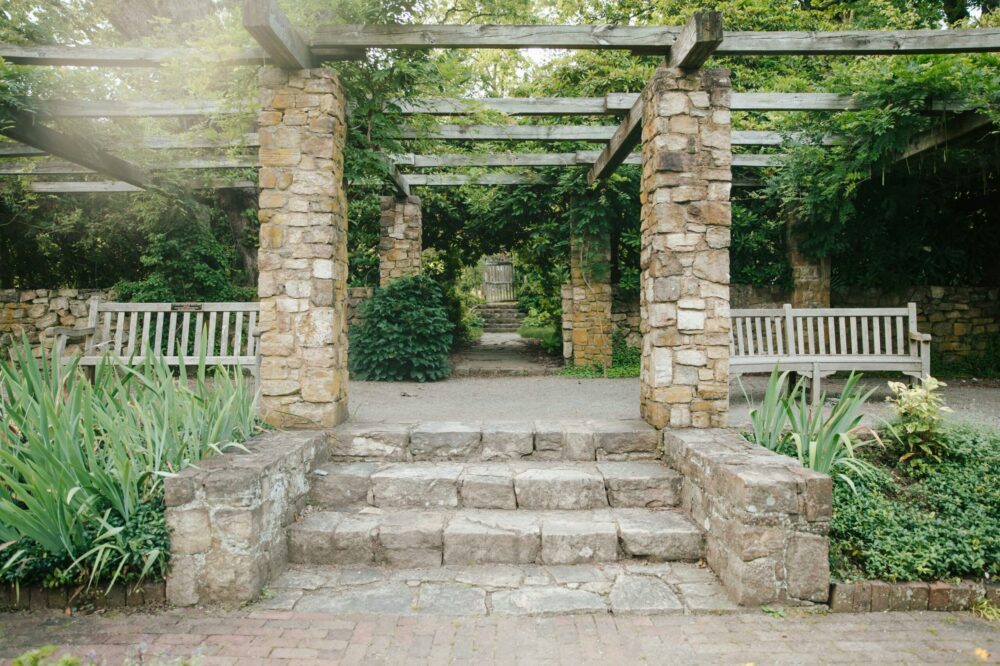
Photo by Khrystyna Khristianova on Unsplash



Are the gardens free to enter even if I don’t want to see the museum?
The cloister garden is accessible with a museum ticket. However, on free admission days (first Sunday of each month), you can enter the gardens without paying. For current policies, check the official website.
Is the garden wheelchair accessible? My mother uses a walker.
Yes, the gardens are wheelchair accessible via a ramp at the main entrance. The paths are generally smooth, so a walker should be fine.
I love medicinal herb gardens! Are the plants labeled?
Yes, the medicinal herb garden has labels identifying the plants and their historical uses. It’s a wonderful spot for learning about medieval horticulture.
What’s the best time of day to visit for fewer crowds?
Early morning right at 10:00 AM or late afternoon after 4:00 PM are the quietest times. You’ll have the garden almost to yourself then.
Can I take photos for personal use?
Yes, photography is allowed without flash. The cloister garden is especially photogenic with its arched walkways and central fountain.
Are there benches to sit on? I want to read for a while.
Absolutely, benches are scattered throughout the gardens, including the cloister and the orchard. It’s a peaceful spot to sit and read.