
Table des matières:
Spring in Paris: What to Expect from Crowds
If you’re asking are crowds smaller in Paris during spring, the short answer is: it depends. Spring in Paris is a beautiful season, but it also brings a mix of weather, holidays, and events that influence tourist numbers. While you might hope for empty streets and short queues, the reality is more nuanced. This guide breaks down the crowd patterns month by month, highlights the best times for a quieter visit, and offers practical tips to avoid the masses.
Paris Crowd Patterns by Season
Paris is one of the world’s most visited cities, attracting over 30 million tourists annually. Crowd levels fluctuate significantly by season:
- Winter (December–February): Low season, except for Christmas and New Year. Cold weather deters many, but indoor attractions remain busy.
- Spring (March–May): Shoulder season. Crowds grow as weather improves, but are generally lower than summer.
- Summer (June–August): Peak season. Massive crowds, long lines, and high prices.
- Fall (September–November): Shoulder season. Similar to spring, with a slight drop after October.
Spring is a shoulder season, meaning you won’t find the city empty, but you’ll encounter fewer tourists than in July or August. The key is choosing the right weeks within spring.
Month-by-Month Crowd Analysis: March, April, May
March: The Quietest Spring Month
March is often the least crowded spring month. Early March still feels wintry, with cooler temperatures and occasional rain. Tourist numbers are low, making it a great time for those who don’t mind layering up. However, by late March, the first signs of spring attract more visitors, especially during school holidays in some countries.
- Pros: Shorter queues at major attractions like the Louvre and Eiffel Tower; more affordable accommodation.
- Cons: Unpredictable weather; some outdoor gardens may not be in full bloom.
April: The Sweet Spot
April is perhaps the best month for a spring visit. The weather becomes pleasant, cherry blossoms appear, and Easter holidays can cause a temporary spike. But overall, crowds are manageable. The key is to avoid Easter week (if it falls in April) and the French school holidays (usually two weeks around Easter). Outside these periods, you’ll enjoy relatively peaceful sightseeing.
- Pros: Beautiful blooms; moderate crowds; good weather for walking.
- Cons: Easter week can be very busy; book popular restaurants in advance.
May: Busier but Still Manageable
May sees a steady increase in tourists as summer approaches. The weather is warm and sunny, making it a favorite time for travelers. However, it’s not as crowded as June. The first half of May is quieter than the second half, especially after the May 1st (Labor Day) holidays. By late May, you’ll notice more visitors, but you can still find peaceful spots if you plan strategically.
- Pros: Vibrant atmosphere; outdoor cafes bustling; long daylight hours.
- Cons: Higher prices; more tourists, especially at major museums.
Factors That Affect Crowd Size in Spring
Several factors beyond the season influence whether you’ll face large crowds:
- French School Holidays: Spring holidays (vacances de printemps) occur in April, varying by zone. These bring families to Paris, increasing crowds at kid-friendly attractions.
- Easter: Easter weekend and the week after are peak periods for both domestic and international tourists.
- Major Events: The Paris Marathon (usually April), Foire du Trône (April–May), and Nuit des Musées (May) draw extra visitors.
- Weather: A sunny weekend in March can cause a sudden influx of day-trippers.
- International Holidays: Spring break from the US (March–April) and Golden Week from Japan (late April–early May) boost numbers.
How to Avoid Crowds in Paris During Spring
Even if crowds are generally smaller in spring, you can take steps to minimize your wait times and enjoy a more serene experience.
Visit Popular Attractions Early or Late
Most tourists visit the Eiffel Tower, Louvre, and Musée d’Orsay between 10 AM and 3 PM. Go right at opening time or in the late afternoon. For example, the Louvre is less crowded on Wednesday and Friday evenings when it stays open late.
Choose Less Touristy Alternatives
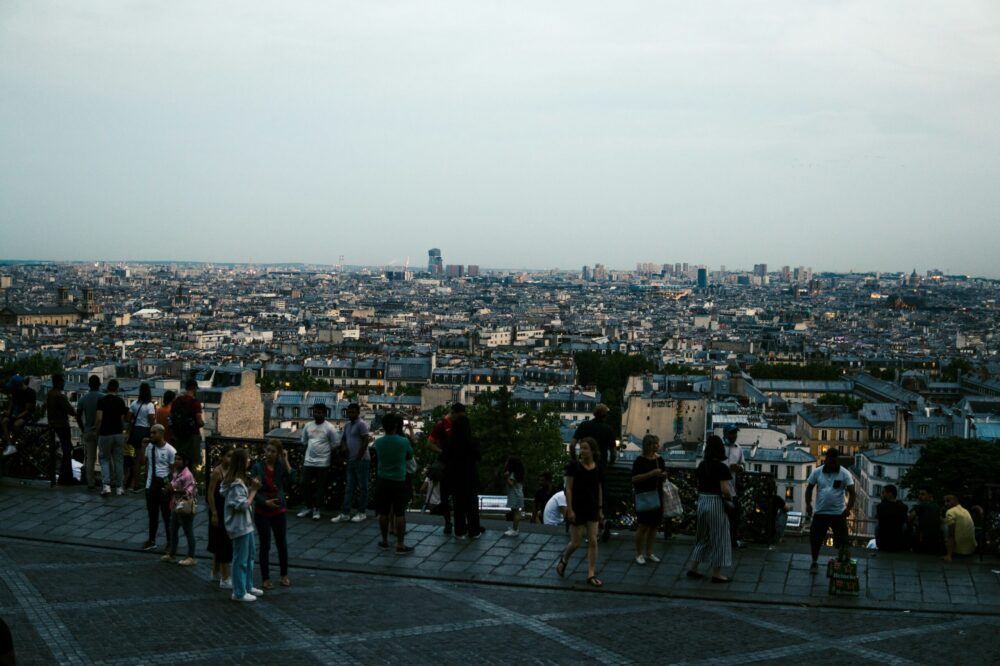
Instead of the crowded Notre-Dame (still under reconstruction), visit Sainte-Chapelle for stunning stained glass. Rather than the busy Montmartre, explore the quieter Butte-aux-Cailles neighborhood. Swap the crowded Luxembourg Gardens for the serene Parc des Buttes-Chaumont.
Book Skip-the-Line Tickets in Advance
For must-see attractions like the Eiffel Tower, Louvre, and Versailles, book timed-entry tickets online weeks ahead. This saves hours of waiting and guarantees entry, even on busy days.
Stay in a Less Central Arrondissement
Accommodations near the 1st, 4th, and 5th arrondissements are most popular. Consider staying in the 10th, 12th, or 14th arrondissements, which offer easy metro access but fewer tourists.



Checklist: Planning a Low-Crowd Spring Trip to Paris
- Choose March or early April for the smallest crowds.
- Avoid Easter week and French spring holidays (check dates annually).
- Book flights and hotels in advance to secure lower prices.
- Reserve skip-the-line tickets for major attractions.
- Plan outdoor activities for weekdays, not weekends.
- Visit during off-peak hours: early morning or late afternoon.
- Explore lesser-known neighborhoods and parks.
- Check local event calendars to avoid large festivals.
Pros and Cons of Visiting Paris in Spring
| Pros | Cons |
|---|---|
| Mild weather, perfect for walking | Rainy days possible |
| Beautiful cherry blossoms and gardens | Easter holidays cause spikes |
| Fewer tourists than summer | Crowds increase as season progresses |
| Lower accommodation prices than summer | Some attractions may have seasonal closures |
| Longer daylight hours for sightseeing | Popular spots still require planning |
What About Weather and Crowds? Does Rain Deter Tourists?
Yes, rain can significantly reduce crowds. If you’re willing to carry an umbrella, a drizzly day in spring can mean shorter lines at indoor attractions. However, many outdoor activities (like boat cruises) may be less enjoyable. Check the forecast and have a flexible itinerary: visit museums on rainy days and save parks for sunny ones.
Comparing Spring to Other Seasons: Which Is Least Crowded?
Winter (especially January and February) is the least crowded season overall. But if you prefer milder weather, spring is the best compromise. Fall (September–October) offers similar crowd levels to spring, but with cooler temperatures and fewer flowers. Summer is the most crowded and expensive, so avoid it if you dislike queues.
Real Crowd Data: What Numbers Say
According to the Paris Tourism Office, the city welcomed approximately 1.5 million visitors in March 2024, compared to 2.5 million in August. April saw 2.1 million, and May 2.3 million. So March is indeed significantly less crowded, while May approaches summer levels. This data confirms that crowds are smaller in Paris during spring only if you choose early spring.
Mistakes to Avoid for a Peaceful Spring Visit
- Assuming all spring is quiet: May can be almost as busy as June.
- Ignoring holidays: Check French and international school holiday calendars before booking.
- Not booking tickets: Even in spring, popular attractions sell out.
- Sticking only to tourist hubs: Venture to neighborhoods like the Marais (still busy) or the 13th arrondissement for a local feel.
- Overpacking your itinerary: Leave time to wander and enjoy the spring ambiance without rushing.
Final Thoughts on Spring Crowds in Paris
So, are crowds smaller in Paris during spring? Yes, compared to summer, but not uniformly. March offers the quietest experience, April is a delightful middle ground, and May approaches peak-season bustle. By choosing the right time, planning ahead, and adopting crowd-avoidance strategies, you can enjoy a magical spring visit without feeling overwhelmed. The blooming gardens, sidewalk cafes, and temperate weather make spring one of the best times to explore Paris—just come prepared for a mix of calm and busy moments.
Frequently Asked Questions
Is March a good month to visit Paris to avoid crowds?
Yes, March is the least crowded spring month. Early March is especially quiet, though the weather can be chilly and rainy. You’ll find shorter lines and lower prices.
Does it rain a lot in Paris in spring?
Spring rainfall is moderate, averaging 10–12 rainy days per month. April tends to be wetter than May, but showers are usually brief. Pack a light raincoat or umbrella.
Are there any public holidays in spring that cause crowds?
Easter Monday (March/April), May Day (May 1), and VE Day (May 8) are public holidays in France. Many locals travel, and some attractions may have altered hours. Expect more visitors around these dates.
Can I visit Versailles without huge crowds in spring?
Versailles is busy year-round, but spring crowds are smaller than summer. Go on a weekday, arrive at opening time, and book skip-the-line tickets. The gardens are less crowded than the palace.
What is the best time of day to visit the Eiffel Tower in spring?
Early morning (right at 9:30 AM) or late evening (after 8 PM) are the least crowded times. Sunset views are popular, so expect a queue. Consider booking a summit access ticket in advance.
Are there any spring events that make crowds worse?
Yes, the Paris Marathon (April), Foire du Trône (April–May), and Nuit des Musées (May) draw large crowds. If you want a quiet trip, avoid these dates.
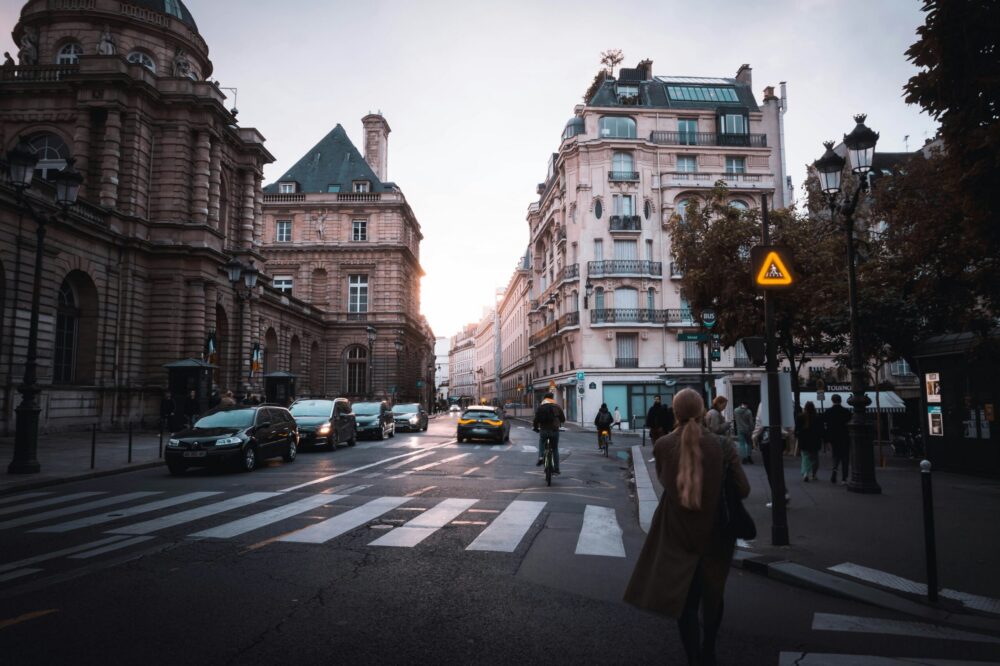
Photo by Alessandro Cavestro on Unsplash
I’m planning a trip to Paris in late March 2025. Are the gardens worth visiting then, even if they’re not in full bloom?
Yes, late March can still be lovely for gardens like the Luxembourg Gardens and Tuileries. Early blooms like crocuses and daffodils often appear, and the lack of peak crowds makes for a peaceful stroll. Just be prepared for cooler temperatures.
Thanks for the month-by-month breakdown! I was considering early May – would you say it’s still a good time to avoid the worst crowds?
Early May is a great choice. The first half of May is notably quieter than the second half. You’ll enjoy pleasant weather and manageable crowds, especially if you avoid the May 1st holidays. Just book popular attractions in advance.
What about the impact of French school holidays? I’m flexible on dates but want to avoid the busiest times.
French school holidays in spring are typically around Easter (two weeks) and can cause spikes in April. To avoid them, check the official holiday calendar for 2025. Generally, mid-April outside Easter week and early May are safer bets.
Is the Louvre significantly less crowded in March compared to April?
Yes, March tends to have noticeably shorter queues at the Louvre than April, especially early March. However, even in March, the museum is busy; consider visiting on a Wednesday or Friday evening for lighter crowds.
I’m worried about rain in March. Do indoor attractions get even more crowded when it rains?
It’s a valid concern. Rain can push more visitors indoors, so popular museums like the Louvre or Orsay may see a slight uptick. To mitigate, try visiting less famous museums or go early in the day. Having a flexible itinerary helps.
This is helpful! I’m aiming for a quieter trip – would you recommend late March or early April?
Late March is generally quieter than early April, as Easter often falls in April. If you can avoid Easter week, early April can still be good, but late March offers the best balance of fewer tourists and improving weather.
Do you have tips for finding affordable accommodation in spring? I’m on a budget.
Booking well in advance is key, especially for April and May. Consider neighborhoods slightly outside the center, like the 13th or 19th arrondissements, which are well-connected by metro. Also, look for hotels that offer free cancellation in case prices drop.
I visited Paris last spring and found the crowds at the Eiffel Tower overwhelming. Are there any specific times of day that are less crowded?
Early morning (right at opening) or late evening (after 8 PM) tend to be less crowded for the Eiffel Tower. Also, consider booking a timed ticket in advance to skip the line. The top level can be busy, but the second level often has shorter waits.