

Applying for a postgraduate diploma at a London university can open doors to advanced knowledge and career opportunities. Whether you’re looking to specialize in your field or switch careers, this guide walks you through the entire process—from choosing the right program to submitting a successful application. Let’s dive into the practical steps you need to take.
Table des matières:
What Is a Postgraduate Diploma and Why Study It in London?
A postgraduate diploma (PGDip) is a qualification that sits between a bachelor’s degree and a master’s degree. It typically requires one year of full-time study or two years part-time. Unlike a master’s, it does not involve a dissertation, making it a shorter, more practical option for professionals.
London is home to world-class universities such as University College London (UCL), King’s College London, London School of Economics (LSE), and Imperial College London. Studying in London gives you access to top faculty, networking opportunities, and a vibrant cultural scene.
Step 1: Research and Choose Your Program
Before applying, identify your academic and career goals. London universities offer postgraduate diplomas in fields like law, business, education, psychology, public health, and more.
Factors to Consider
- Accreditation: Ensure the program is recognized by relevant professional bodies.
- Mode of study: Full-time, part-time, or online options.
- Location: Central London vs. suburban campuses.
- Cost: Tuition fees vary widely; international students pay higher fees.
Step 2: Check Entry Requirements
Each university sets its own requirements, but common criteria include:
- A bachelor’s degree (usually a 2:2 or above) from a recognized institution.
- For international students: English language proficiency (IELTS, TOEFL, or PTE).
- Relevant work experience for some professional diplomas.
- Transcripts and references.
Always check the specific program page for exact requirements.
Step 3: Prepare Your Application Documents
Most applications are submitted online through the university’s portal or UCAS (for some courses). Typical documents include:
- Personal statement or statement of purpose
- Academic transcripts and certificates
- Curriculum vitae (CV)
- Two letters of recommendation
- English language test scores (if applicable)
- Copy of passport
Tips for a Strong Personal Statement
Your personal statement should explain why you want to study this diploma, how it fits your career goals, and why you chose that university. Be specific and genuine.
Step 4: Submit Your Application
Applications for postgraduate diplomas are typically made directly to the university. Some programs use UCAS Postgraduate. Deadlines vary: many have rolling admissions, but popular programs may have fixed deadlines (e.g., January or March for September start).
Apply as early as possible, especially if you need a visa or accommodation.
Step 5: Apply for a Student Visa (If Applicable)
International students from outside the UK, EU, EEA, and Switzerland usually need a Student visa (formerly Tier 4). You’ll need:
- Confirmation of Acceptance for Studies (CAS) from the university
- Proof of English proficiency
- Financial evidence showing you can cover tuition and living costs
- Valid passport
Apply for your visa as soon as you receive your CAS. Processing times can take up to 3 weeks.

Step 6: Arrange Funding and Scholarships
Postgraduate diploma fees in London range from £10,000 to £25,000 per year for international students. Explore scholarships, bursaries, and student loans. Many universities offer merit-based scholarships; check their websites.
Part-time work is allowed on a Student visa (up to 20 hours per week during term time).
Step 7: Accept Your Offer and Prepare for Arrival
Once you receive an offer, you may need to pay a deposit to secure your place. Then arrange accommodation, travel, and health insurance. Register with a doctor and open a UK bank account upon arrival.
Common Mistakes to Avoid When Applying
- Missing deadlines: Keep a calendar of all deadlines.
- Generic personal statements: Tailor each application to the program.
- Ignoring English requirements: Take tests early.
- Not checking equivalency: International qualifications may need evaluation.
- Forgetting visa timelines: Start visa process immediately after receiving CAS.
Frequently Asked Questions
How long does it take to get a decision on my application?
Most universities respond within 4-8 weeks. Some have rolling admissions and may respond faster.
Can I work while studying a postgraduate diploma in London?
Yes, on a Student visa you can work up to 20 hours per week during term time and full-time during holidays.
Is a postgraduate diploma equivalent to a master’s degree?
No, a PGDip is a lower level (Level 7 in the UK) and typically does not include a dissertation. It is shorter and more vocational.
Can I convert a postgraduate diploma into a master’s degree later?
Some universities allow you to top up to a master’s by completing a dissertation. Check with your institution.
Do I need to take the GRE or GMAT for a postgraduate diploma?
Most diplomas do not require GRE/GMAT, but some business-related programs may ask for GMAT. Check the specific course requirements.
What is the difference between a postgraduate certificate and a diploma?
A postgraduate certificate (PGCert) is shorter (usually 4 months full-time) and requires fewer credits than a diploma (usually 8-9 months full-time).
Your Next Steps: From Application to Enrollment
Now that you know the process, start by shortlisting 3-5 programs that match your interests. Prepare your documents in advance, and reach out to admissions offices if you have questions. Applying for a postgraduate diploma at a London university is a strategic move for your career—take it step by step, and you’ll be studying in one of the world’s most exciting cities before you know it.
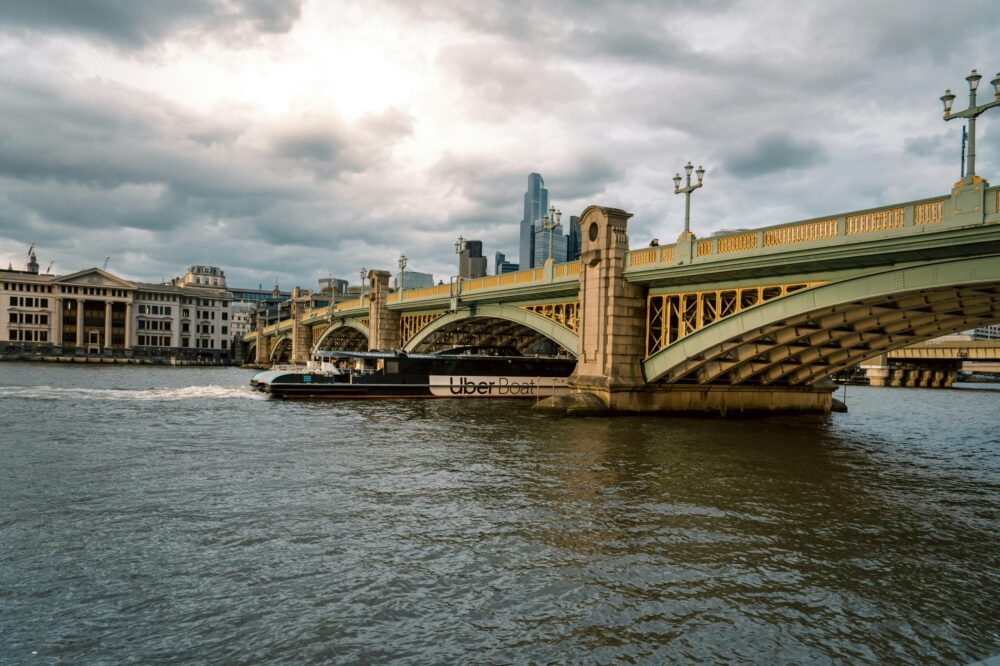
Photo by Bruno Martins on Unsplash



I’m considering a postgraduate diploma in public health at King’s College London. The article mentions that a PGDip doesn’t require a dissertation—does that mean it’s less rigorous than a master’s?
Great question! A PGDip is not necessarily less rigorous; it’s just structured differently. Without a dissertation, you’ll focus on taught modules and possibly a practical project. This can be ideal if you want to gain specialized knowledge quickly without the extended research commitment. The workload is still intensive and often designed for professionals.
Thanks for the step-by-step guide! For the personal statement, do you recommend focusing more on academic achievements or career goals?
You’re welcome! For a postgraduate diploma, admissions tutors typically want to see how the program fits into your career plans. While academic background matters, emphasize your professional goals and why this specific diploma will help you achieve them. Be specific about how the course content aligns with your aspirations—that makes your statement stand out.