Table des matières:
How to Find Accessible Attractions and Transport for Disabled Tourists in Barcelona: A Complete Guide
Barcelona, with its stunning architecture, vibrant culture, and Mediterranean charm, is a top destination for travelers worldwide. For disabled tourists, planning a trip to this bustling city requires careful consideration to ensure accessibility and comfort. This guide provides a comprehensive overview of how to find accessible attractions and transport for disabled tourists in Barcelona, offering practical tips and resources to make your visit enjoyable and stress-free. From navigating public transportation to exploring iconic sites, we cover everything you need to know for an inclusive Barcelona experience.
Understanding Accessibility in Barcelona
Barcelona has made significant strides in improving accessibility for disabled tourists in recent years. The city is committed to inclusivity, with many attractions and transport systems designed to accommodate various needs. However, accessibility can vary, so it’s essential to research and plan ahead. This section outlines the general landscape of accessibility in Barcelona, helping you set realistic expectations and identify key areas to focus on when organizing your trip.
Key Accessibility Standards and Initiatives
Barcelona adheres to European and Spanish accessibility standards, which aim to ensure that public spaces and services are usable by everyone. The city has implemented initiatives like the “Barcelona Accessible” program, which promotes tourism for people with disabilities. Look for official accessibility certifications, such as the “Tourism for All” label, when selecting attractions and accommodations. These efforts make it easier to find accessible attractions and transport for disabled tourists in Barcelona, but always verify details to match your specific requirements.
Finding Accessible Transport in Barcelona
Navigating Barcelona’s transport system is a crucial aspect of planning an accessible trip. The city offers various options, from public transit to specialized services, designed to help disabled tourists move around with ease. This section breaks down the key transport modes and provides tips on how to use them effectively.
Public Transportation: Metro, Buses, and Trains
Barcelona’s public transportation network includes metros, buses, and trains that are increasingly accessible. The metro system has many stations with elevators, ramps, and tactile paving, but not all stations are fully equipped. Check the TMB (Transports Metropolitans de Barcelona) website for station accessibility maps. Buses are generally wheelchair-accessible, with low floors and ramps. Trains, such as those operated by Rodalies, also offer accessible features. When planning your routes, use apps like Google Maps or official TMB apps that include accessibility filters to find accessible attractions and transport for disabled tourists in Barcelona.
- Metro: Look for stations with the accessibility symbol; about 80% are equipped.
- Buses: All urban buses have ramps and designated spaces for wheelchairs.
- Trains: Major stations like Sants and Passeig de Gràcia are fully accessible.
Specialized Transport Services
For added convenience, consider specialized transport services in Barcelona. Taxis adapted for wheelchairs are available through companies like Taxi Amic, which offers vehicles with ramps and trained drivers. Additionally, rental services provide accessible vans or cars if you prefer to drive. These options can be particularly useful for reaching areas with limited public transport accessibility. Booking in advance is recommended, especially during peak tourist seasons, to ensure availability and smooth travel.
Accessibility at Barcelona Airport
El Prat Airport (BCN) is well-equipped for disabled tourists, with services like wheelchair assistance, accessible restrooms, and dedicated parking. Contact your airline or the airport’s special assistance service before your flight to arrange help with boarding, baggage, and navigation. This proactive approach ensures a hassle-free start to your trip, making it easier to find accessible attractions and transport for disabled tourists in Barcelona upon arrival.
Exploring Accessible Attractions in Barcelona
Barcelona boasts a wealth of attractions, from historic landmarks to modern museums, many of which are accessible to disabled tourists. This section highlights key sites and provides tips on how to enjoy them comfortably. Always check official websites or contact venues directly for the latest accessibility information, as renovations or events may affect access.
Iconic Landmarks and Their Accessibility
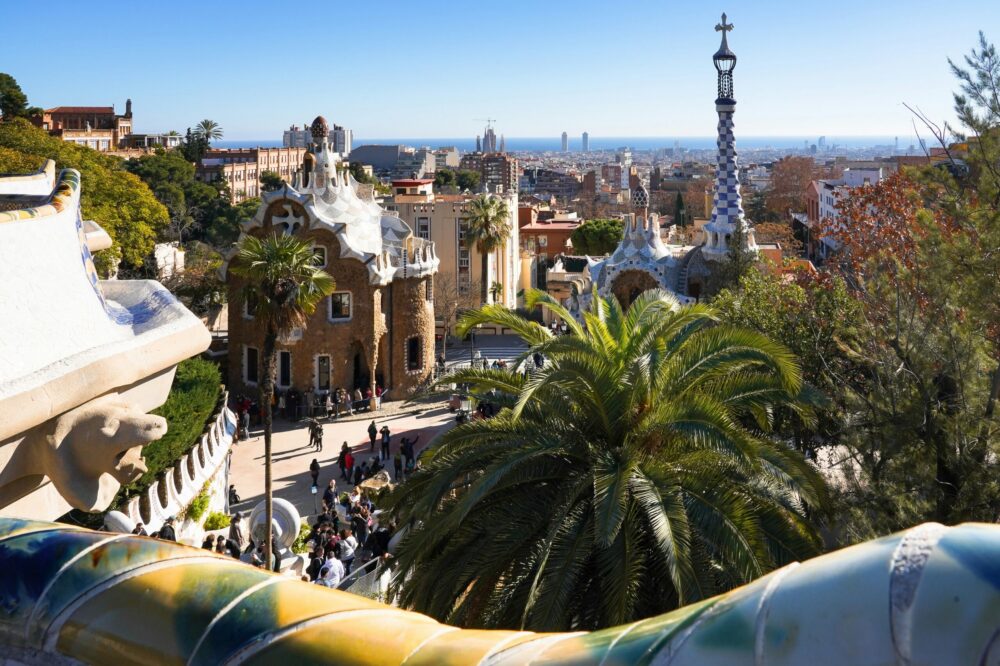
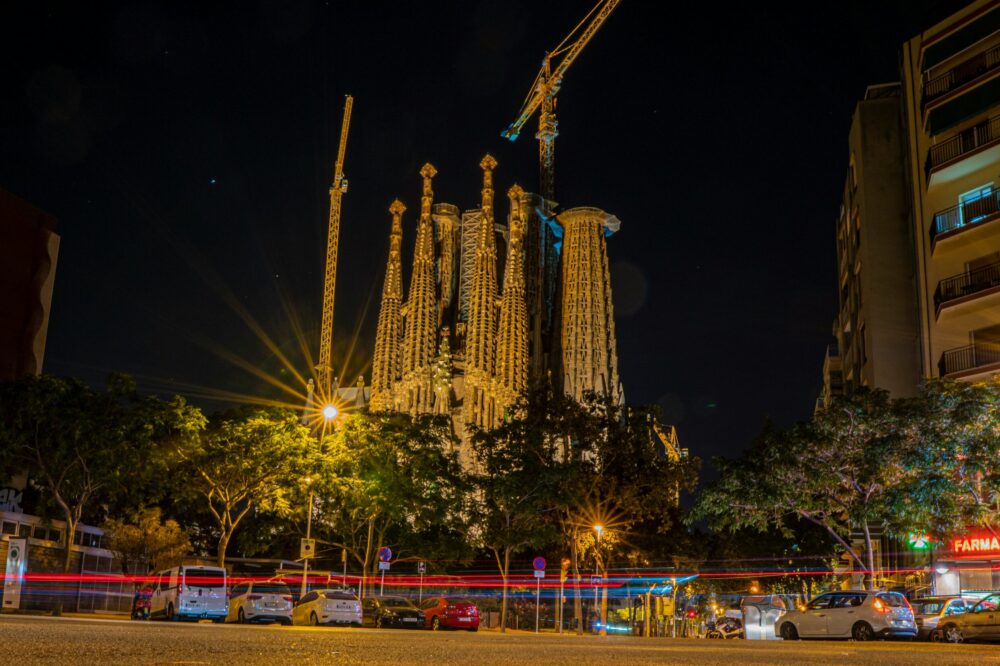
Many of Barcelona’s most famous landmarks have made efforts to improve accessibility. For example, the Sagrada Família offers ramps, elevators, and adapted tours for visitors with mobility issues. Park Güell has accessible paths and rest areas, though some sections may be challenging due to slopes. The Gothic Quarter, with its narrow streets, can be less accessible, but guided tours often provide alternative routes. When visiting these sites, inquire about reduced admission fees or free entry for disabled tourists and their companions, as this is common in Barcelona.
- Sagrada Família: Wheelchair-accessible entrances and elevators to certain levels.
- Park Güell: Designated accessible routes and parking for disabled visitors.
- Gothic Quarter: Opt for tours that highlight accessible pathways.
Museums and Cultural Sites
Barcelona’s museums are generally accessible, with features like ramps, elevators, and tactile exhibits. The Picasso Museum, for instance, offers wheelchair access and audio guides for visually impaired visitors. The Barcelona Museum of Contemporary Art (MACBA) is fully accessible, including its exhibitions and facilities. Other cultural sites, such as the Palau de la Música Catalana, provide assisted listening devices and accessible seating. To find accessible attractions and transport for disabled tourists in Barcelona, review museum websites for detailed accessibility guides or contact them for personalized advice.
Parks and Outdoor Spaces
For a relaxing day out, Barcelona’s parks and beaches offer accessible options. Ciutadella Park has paved paths and accessible restrooms, making it a great spot for a stroll. Barcelona’s beaches, like Barceloneta, feature wooden walkways, amphibious wheelchairs for sand access, and accessible showers. These outdoor areas are perfect for enjoying the city’s natural beauty without barriers. Check local resources for updates on seasonal accessibility improvements.
Practical Tips for Disabled Tourists in Barcelona
Beyond transport and attractions, several practical considerations can enhance your trip. This section covers essential tips, from accommodation to local resources, to help you navigate Barcelona with confidence.
Choosing Accessible Accommodation
When booking accommodation in Barcelona, look for hotels or apartments with accessibility certifications. Many establishments offer features like roll-in showers, grab bars, and wide doorways. Use booking platforms with accessibility filters, or contact properties directly to confirm specific needs. Staying in central areas, such as Eixample or Gràcia, can reduce travel time and make it easier to find accessible attractions and transport for disabled tourists in Barcelona.
Utilizing Local Resources and Support
Barcelona has various organizations and apps dedicated to supporting disabled tourists. The Barcelona City Council website provides accessibility maps and guides. Apps like “Accessible Barcelona” offer real-time information on accessible routes and venues. Additionally, consider hiring a local guide specializing in accessible tourism for personalized assistance. These resources can save time and ensure a smoother experience, helping you focus on enjoying your visit.
Planning Your Itinerary
Create a flexible itinerary that accounts for rest breaks and potential accessibility challenges. Group attractions by proximity to minimize travel time, and allow extra time for navigating transport. Keep a list of emergency contacts, including local disability support services, and carry necessary documentation, such as disability IDs, which may qualify you for discounts. By planning ahead, you can find accessible attractions and transport for disabled tourists in Barcelona more efficiently and reduce stress during your trip.
Conclusion
Barcelona is a welcoming city that continues to improve its accessibility for disabled tourists. By leveraging the tips and resources outlined in this guide, you can find accessible attractions and transport for disabled tourists in Barcelona with ease. From researching transport options to exploring iconic sites, careful planning ensures a memorable and inclusive experience. Remember to verify details, use local support, and stay flexible to make the most of your visit. With its rich culture and commitment to inclusivity, Barcelona offers something for every traveler, making it a fantastic destination for an accessible adventure.
Photo by Anastasiia Tarasova on Unsplash