London’s bus system is one of the most iconic and efficient ways to explore the city. As a tourist, you might wonder: How do I use the bus system in London as a tourist? This guide will answer that question in detail, covering everything from buying tickets to planning your route. By the end, you’ll be confidently hopping on and off red double-deckers like a local.
Table des matières:
Why Take the Bus in London?
Buses offer several advantages over the Tube. They provide above-ground views, making it easier to orient yourself and spot landmarks. Plus, bus routes cover areas the Tube doesn’t reach. For tourists, the bus is also often cheaper and more flexible.
How to Pay for Bus Travel
To use the bus system in London as a tourist, you need a valid payment method. Here are your options:
Contactless Payment
The easiest way is to tap a contactless credit or debit card, smartphone, or smartwatch on the yellow card reader when you board. No need to buy a separate ticket. The system automatically calculates the fare and applies daily and weekly capping.
Oyster Card
An Oyster card is a reusable smart card you can top up with credit. You can buy one at Tube stations, visitor centers, or online. Tap it on the reader when boarding. Oyster cards also offer daily and weekly fare capping.
Travelcard
A Travelcard gives unlimited travel on buses and Tube within certain zones. You can buy a 1-day, 7-day, or monthly Travelcard. It’s cost-effective if you plan to travel extensively.
Paper Bus Tickets
You can buy a single paper ticket from a bus driver, but this is the most expensive option. A single fare is £1.75 with contactless or Oyster, but a paper ticket costs £5. So, avoid paper tickets if possible.
Understanding Bus Fares and Capping
With contactless or Oyster, a single bus journey costs £1.75, no matter how far you go. There’s also a Hopper Fare: you can take unlimited bus and tram journeys within one hour for the price of a single fare. The system automatically applies the Hopper Fare—no need to do anything.
Daily capping for buses is £5.25 (as of 2025). Once you’ve spent that much, all further bus journeys that day are free. Weekly capping also applies if you use the same card or device.
How to Plan a Bus Route
Planning your journey is key to using the bus system efficiently. Here’s how:
Use Google Maps or Citymapper
Both apps provide real-time bus routes, departure times, and alerts. Simply enter your destination, select the bus icon, and follow the instructions. They show which bus number to take, where to board, and where to get off.
Check Bus Stop Signs
Bus stops display route numbers and destinations. Look for the route map and timetable at the stop. Many stops also have digital screens showing live arrival times.
Know the Bus Numbers
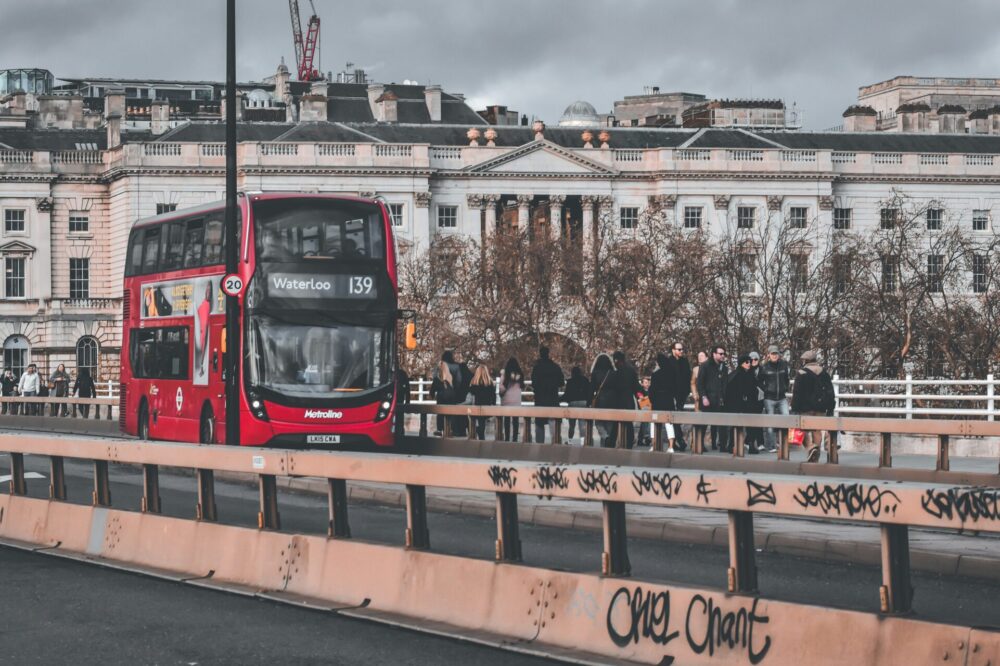
London buses are numbered. Key tourist routes include the 9 (Royal Albert Hall, Kensington Palace), 15 (Trafalgar Square, Tower of London), and 24 (Westminster, Camden).
How to Board and Alight
When you see your bus approaching, stand at the stop and signal the driver by raising your hand (optional but helpful). Board through the front door and tap your payment method on the reader. If you have luggage, use the middle door on newer buses.
To request a stop, press one of the red or yellow buttons on the handrails before your stop. A sign will light up saying “Bus Stopping.” Alight through the middle or rear doors. On some buses, you need to push the door to open it.
Tips for Tourists Using London Buses
- Keep your ticket or card handy: You may be asked to show it by inspectors.
- Mind the gap: Step carefully when boarding and alighting.
- Sit upstairs for the best views: The front seats on the top deck offer a panoramic sightseeing experience.
- Avoid rush hour: Buses can be crowded between 7:30–9:30 AM and 5–7 PM on weekdays.
- Use night buses: If you’re out late, night bus routes (prefixed with N) run 24/7.
- Check for disruptions: Roadworks or events can cause delays. Check TfL’s website or app for updates.
Common Mistakes to Avoid
- Forgetting to tap: Always tap your card or Oyster when boarding. Failure to do so can result in a penalty fare.
- Using the wrong payment method: Don’t use a contactless card that isn’t enabled for travel (e.g., some foreign cards may not work). Check with your bank.
- Not pressing the stop button: Buses don’t automatically stop at every stop. Press the button in advance.
- Getting on the wrong bus: Double-check the route number and destination displayed on the front of the bus.
Accessibility on London Buses
All London buses are wheelchair accessible and have low floors. Priority seats are available for elderly or disabled passengers. Drivers can lower the bus to curb height for easier boarding. If you need assistance, just ask the driver.
Conclusion
Now you know how to use the bus system in London as a tourist. It’s simple: get an Oyster card or use contactless, plan your route with an app, tap when boarding, and enjoy the ride. Buses are a cheap, scenic, and convenient way to see London. So next time you’re in the capital, skip the Tube and hop on a bus—you might just discover a new favorite view.