Table des matières:
What Are the Best Ways to Learn About Renaissance Art in Rome? A Comprehensive Guide
Rome, the Eternal City, is a living museum of Renaissance art, offering unparalleled opportunities to immerse yourself in the masterpieces of this transformative period. From the awe-inspiring frescoes of the Sistine Chapel to the architectural marvels of St. Peter’s Basilica, learning about Renaissance art in Rome is a journey through history, creativity, and human achievement. This guide explores the best ways to engage with this rich artistic heritage, whether you’re a first-time visitor or a seasoned art enthusiast. By combining in-person experiences with educational resources, you can deepen your understanding and appreciation of the works that defined an era.
Visit Iconic Museums and Galleries
One of the most effective ways to learn about Renaissance art in Rome is by visiting its world-renowned museums and galleries. These institutions house some of the most significant collections from the 14th to 17th centuries, providing direct access to original works.
The Vatican Museums
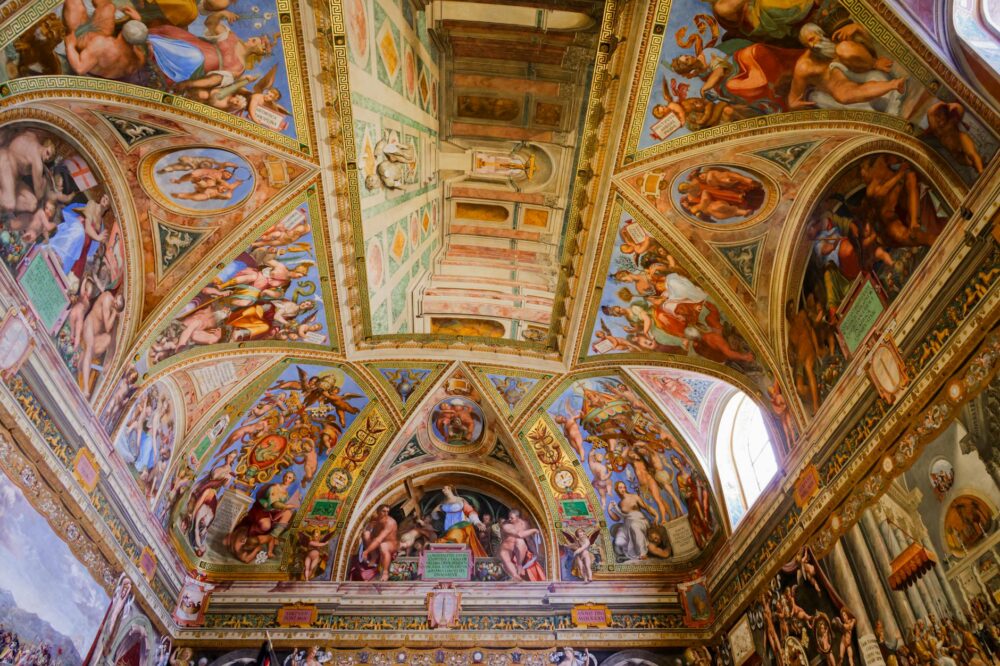
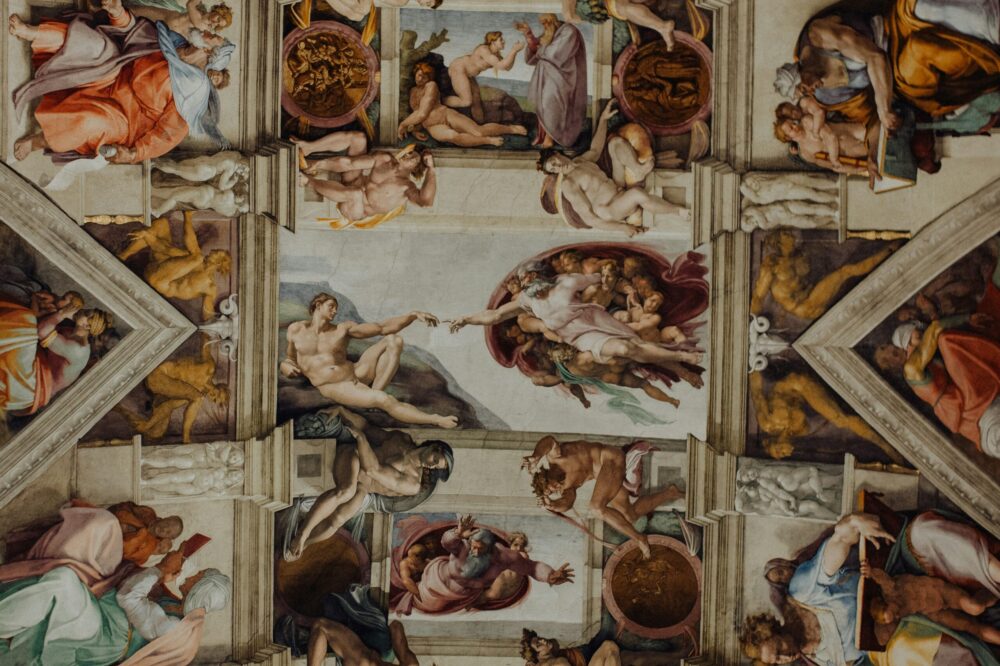
The Vatican Museums are a must-visit for anyone interested in Renaissance art in Rome. Home to the Sistine Chapel, with Michelangelo’s breathtaking ceiling and Last Judgment fresco, this complex offers a deep dive into the period’s religious and artistic themes. Other highlights include the Raphael Rooms, decorated by Raphael and his workshop, showcasing frescoes like The School of Athens. To enhance your visit, consider booking a guided tour or using audio guides, which provide context on the artists and historical significance.
Galleria Borghese
Located in the Villa Borghese park, the Galleria Borghese features an exquisite collection of Renaissance and Baroque art. Works by Caravaggio, Raphael, and Titian are displayed in an intimate setting, allowing for close examination. Due to limited entry, advance reservations are essential. This gallery is ideal for those looking to explore Renaissance art in Rome through curated masterpieces in a less crowded environment.
Explore Historic Churches and Basilicas
Rome’s churches and basilicas are treasure troves of Renaissance art, often housing frescoes, sculptures, and altarpieces that are integral to the city’s cultural fabric. Visiting these sites offers a contextual understanding of how art functioned in religious and public spaces.
St. Peter’s Basilica
As the heart of the Catholic Church, St. Peter’s Basilica is a monumental example of Renaissance architecture and art. Michelangelo’s Pietà, sculpted in 1499, is a highlight, demonstrating the emotional depth and technical skill of the period. The basilica’s design, influenced by architects like Bramante and Michelangelo, reflects Renaissance ideals of harmony and proportion. When learning about Renaissance art in Rome, a visit here provides insights into the interplay between art, religion, and power.
Santa Maria del Popolo
This church in Piazza del Popolo contains two chapels with paintings by Caravaggio, The Crucifixion of St. Peter and The Conversion of St. Paul, which are prime examples of the Renaissance’s evolution into Baroque. Additionally, works by Pinturicchio and Raphael adorn the interior, making it a compact yet rich site for studying Renaissance art in Rome. Entry is free, and it’s less frequented by tourists, allowing for a more contemplative experience.
Take Guided Tours and Workshops
For a structured approach to learning about Renaissance art in Rome, guided tours and workshops offer expert insights and interactive opportunities. These experiences can tailor information to your interests and provide deeper analysis than self-guided visits.
Specialized Art Tours
Many tour operators in Rome offer focused tours on Renaissance art, covering key sites like the Vatican Museums, Capitoline Museums, and lesser-known gems. These tours often include:
- Expert guides with art history backgrounds
- Small group sizes for personalized attention
- Thematic itineraries, such as “Michelangelo’s Rome” or “Renaissance Frescoes”
Booking in advance is recommended, especially during peak tourist seasons, to secure a spot and avoid crowds.
Art Workshops and Classes
If you prefer a hands-on approach, consider enrolling in art workshops in Rome. These sessions, often held in studios or cultural centers, might include:
- Drawing or painting classes inspired by Renaissance techniques
- Lectures on art history with local scholars
- Visits to restoration labs to see conservation in action
Such activities not only teach about Renaissance art in Rome but also foster a creative connection to the material.
Utilize Online and Literary Resources
Before, during, or after your trip, leveraging online and literary resources can enhance your understanding of Renaissance art in Rome. These tools provide background information, virtual access, and ongoing learning opportunities.
Virtual Tours and Apps
Many museums and sites offer virtual tours or mobile apps that allow you to explore Renaissance art in Rome from anywhere. For example:
- The Vatican Museums’ online platform features high-resolution images of the Sistine Chapel
- Apps like “Rome Art Guide” provide maps and audio commentary on Renaissance landmarks
- YouTube channels dedicated to art history offer video analyses of specific works
Using these resources can prepare you for an in-person visit or serve as a supplement if travel isn’t possible.
Books and Documentaries
Reading books or watching documentaries about Renaissance art in Rome can provide context and depth. Recommended resources include:
- The Lives of the Artists by Giorgio Vasari, a contemporary source on Renaissance masters
- Rome: A Cultural, Visual, and Personal History by Robert Hughes
- Documentaries like BBC’s The Renaissance Unchained or Netflix’s Medici: Masters of Florence
These materials help frame the historical and social dynamics that influenced the art.
Engage with Local Cultural Events
Rome’s vibrant cultural scene often includes events focused on Renaissance art, such as exhibitions, lectures, and festivals. Participating in these activities offers a dynamic way to learn about Renaissance art in Rome and connect with the local community.
Temporary Exhibitions
Check local listings for temporary exhibitions at venues like the Scuderie del Quirinale or Palazzo delle Esposizioni, which frequently host shows on Renaissance themes. These exhibitions might feature loans from international collections or focus on specific artists, providing fresh perspectives on familiar works.
Art History Lectures
Universities and cultural institutes in Rome, such as the American University of Rome or the British School at Rome, occasionally offer public lectures on Renaissance art. Attending these talks can deepen your knowledge through academic insights and discussions with experts.
Conclusion
Learning about Renaissance art in Rome is a multifaceted experience that combines direct observation with educational enrichment. By visiting iconic sites like the Vatican Museums and St. Peter’s Basilica, taking guided tours, utilizing online resources, and engaging with local events, you can gain a comprehensive understanding of this pivotal artistic period. Whether you’re standing before Michelangelo’s Pietà or reading about the techniques of fresco painting, each method offers unique insights into the creativity and innovation that defined the Renaissance. As you explore, remember that the best ways to learn about Renaissance art in Rome often involve a blend of immersion, study, and reflection, allowing the art to speak across centuries. Start planning your journey today to uncover the masterpieces that continue to inspire the world.
Photo by Calvin Craig on Unsplash