Rome, the Eternal City, is home to countless historical treasures, but few are as significant and beautifully preserved as the Ara Pacis Augustae, or Altar of Augustan Peace. Housed in a striking modern museum designed by architect Richard Meier, the Ara Pacis Museum offers a unique journey into the art and politics of ancient Rome. If you’re wondering how to visit the Ara Pacis Museum and its ancient altar, this comprehensive guide will walk you through everything you need to know, from planning your trip to appreciating the altar’s intricate details. Whether you’re a history buff, an art lover, or a first-time visitor to Rome, understanding how to experience this monument can enrich your exploration of the city’s imperial past.
Table des matières:
What Is the Ara Pacis Museum and Its Ancient Altar?
The Ara Pacis Museum is dedicated to displaying and protecting the Ara Pacis Augustae, an ancient altar commissioned by the Roman Senate in 13 BCE to honor Emperor Augustus’s military victories and the peace he brought to the Roman Empire. The altar itself is a masterpiece of Roman sculpture, adorned with detailed reliefs depicting mythological scenes, processions of the imperial family, and symbols of peace and prosperity. Originally located in the Campus Martius, it was rediscovered in the 16th century and reconstructed in the 1930s. Today, it sits within a glass-and-travertine building along the Tiber River, blending ancient history with contemporary architecture. Knowing how to visit the Ara Pacis Museum and its ancient altar starts with appreciating its historical context, which illuminates Augustus’s reign and the propaganda of the Pax Romana.
Planning Your Visit: Essential Information
Before you head to the museum, it’s crucial to gather key details to ensure a smooth experience. Here’s what you need to know about how to visit the Ara Pacis Museum and its ancient altar effectively.
Location and How to Get There
The Ara Pacis Museum is located at Lungotevere in Augusta, in the heart of Rome, near the Mausoleum of Augustus and the Tiber River. It’s easily accessible by public transportation, making it a convenient stop on any Rome itinerary. To get there, you can take the metro Line A to the Spagna or Flaminio stations and walk about 10-15 minutes, or use buses such as lines 81, 628, or 926. If you’re driving, note that parking in central Rome can be challenging, so public transport is recommended. The museum’s central location also makes it easy to combine with visits to nearby attractions like the Spanish Steps or Piazza del Popolo.
Opening Hours and Best Times to Visit
The museum is typically open from 9:30 AM to 7:30 PM daily, with last entry at 6:30 PM. It may close on certain holidays like January 1st, May 1st, and December 25th, so check the official website for updates before your visit. To avoid crowds and have a more intimate experience with the ancient altar, consider visiting early in the morning or later in the afternoon on weekdays. Peak tourist seasons, such as summer and major holidays, can be busier, so planning ahead can help you enjoy the exhibits without the hustle. Understanding these details is key to how to visit the Ara Pacis Museum and its ancient altar without stress.
Ticket Prices and Discounts
Ticket prices vary, with standard admission around €10-12 for adults. Discounts are often available for EU citizens aged 18-25, students, and seniors, while children under 18 and disabled visitors may enter for free. You can purchase tickets online in advance to skip the line, which is especially useful during busy periods. Some combined tickets or passes, like the Roma Pass, might include entry to the Ara Pacis Museum along with other sites, offering savings if you’re planning multiple visits. Always verify current prices on the museum’s official site to ensure accurate information for your trip.
Exploring the Museum: What to See and Do
Once inside, the Ara Pacis Museum offers a well-curated experience that highlights the ancient altar and its historical significance. Here’s a breakdown of what to expect as you learn how to visit the Ara Pacis Museum and its ancient altar up close.
The Ancient Altar: A Closer Look
The centerpiece of the museum is, of course, the Ara Pacis Augustae itself. Enclosed in a climate-controlled glass pavilion, the altar is displayed to allow visitors to walk around it and admire the reliefs from various angles. Key features to observe include:
- The procession friezes, which depict members of the imperial family and priests in a ceremonial march.
- Mythological panels, such as scenes of Aeneas and the Lupercal, linking Rome’s origins to Augustus’s rule.
- Floral and vegetal motifs symbolizing peace and abundance under Augustus’s reign.
Take your time to study these details, as they offer insights into Roman art and propaganda. Audio guides or guided tours can enhance your understanding, explaining the symbolism and historical context behind the carvings.
Exhibits and Multimedia Displays
Beyond the altar, the museum features supplementary exhibits that provide context about the Ara Pacis and its era. These may include:
- Informational panels and models showing the altar’s original location and reconstruction process.
- Multimedia installations, such as videos or interactive displays, that bring ancient Rome to life.
- Temporary exhibitions related to Roman history, archaeology, or contemporary art, which can add variety to your visit.
These elements help visitors grasp the broader historical narrative, making the experience more engaging. When planning how to visit the Ara Pacis Museum and its ancient altar, allocate at least 1-2 hours to fully explore these areas.
Guided Tours and Educational Resources
For a deeper dive, consider joining a guided tour. Many tours are available in English and other languages, led by experts who can point out subtle details and answer questions. Options include:
- Group tours, often included with certain ticket packages or offered by external tour companies.
- Private tours for a more personalized experience, ideal for families or serious scholars.
- Audio guides, which you can rent at the museum for a self-paced tour with detailed commentary.
These resources can make your visit more informative, especially if you’re new to Roman history. Check the museum’s website for tour schedules and booking information to integrate into your plans.
Tips for a Successful Visit
To make the most of your trip, keep these practical tips in mind as you figure out how to visit the Ara Pacis Museum and its ancient altar.
What to Bring and Wear
Comfort is key when exploring museums. Wear comfortable shoes, as you’ll be standing and walking for extended periods. The museum is indoors and climate-controlled, so dress in layers to adjust to the temperature. Bring a water bottle, as staying hydrated is important, though note that food and drinks might not be allowed near the exhibits. A camera is usually permitted for personal use, but flash photography may be prohibited to protect the ancient artifacts—check the rules upon entry.
Accessibility and Facilities
The Ara Pacis Museum is designed to be accessible, with ramps, elevators, and accessible restrooms available for visitors with mobility challenges. If you have specific needs, contact the museum in advance to arrange assistance. Other facilities include a gift shop where you can purchase books, replicas, and souvenirs related to the altar, and sometimes a café or nearby dining options for a break. Knowing these amenities can help you plan a comfortable visit.
Combining with Other Attractions
Since the museum is centrally located, you can easily pair it with other Rome highlights. Nearby sites include:
- The Mausoleum of Augustus, currently under restoration but visible from the outside.
- Piazza del Popolo, a grand square with churches and obelisks.
- The Spanish Steps and Via Condotti for shopping and dining.
Planning a route that includes these attractions can maximize your day in Rome. For example, you might visit the Ara Pacis Museum in the morning, then stroll to Piazza del Popolo for lunch, making your exploration efficient and enjoyable.
Why the Ara Pacis Museum Is a Must-Visit in Rome
The Ara Pacis Museum stands out not only for its ancient altar but also for its modern architectural setting, which creates a dialogue between past and present. Visiting offers a unique opportunity to witness one of the best-preserved monuments from the Augustan age, providing a tangible connection to Rome’s imperial history. It’s a testament to how museums can preserve and interpret cultural heritage for future generations. By learning how to visit the Ara Pacis Museum and its ancient altar, you’re taking a step into a world where art, politics, and peace converge, enriching your understanding of Rome’s legacy.
Conclusion
In summary, knowing how to visit the Ara Pacis Museum and its ancient altar involves careful planning, from checking hours and tickets to exploring the exhibits in depth. This guide has covered everything from location and transportation to what to see and practical tips, ensuring you can experience this iconic site with ease. Whether you’re marveling at the intricate reliefs of the altar or learning about Augustus’s reign through multimedia displays, the Ara Pacis Museum offers a profound glimpse into ancient Rome. As you plan your trip to Rome, include this museum on your itinerary—it’s a rewarding destination that combines history, art, and architecture in a way that few others do. Start your journey today by booking your tickets and preparing to step back in time at the Ara Pacis.
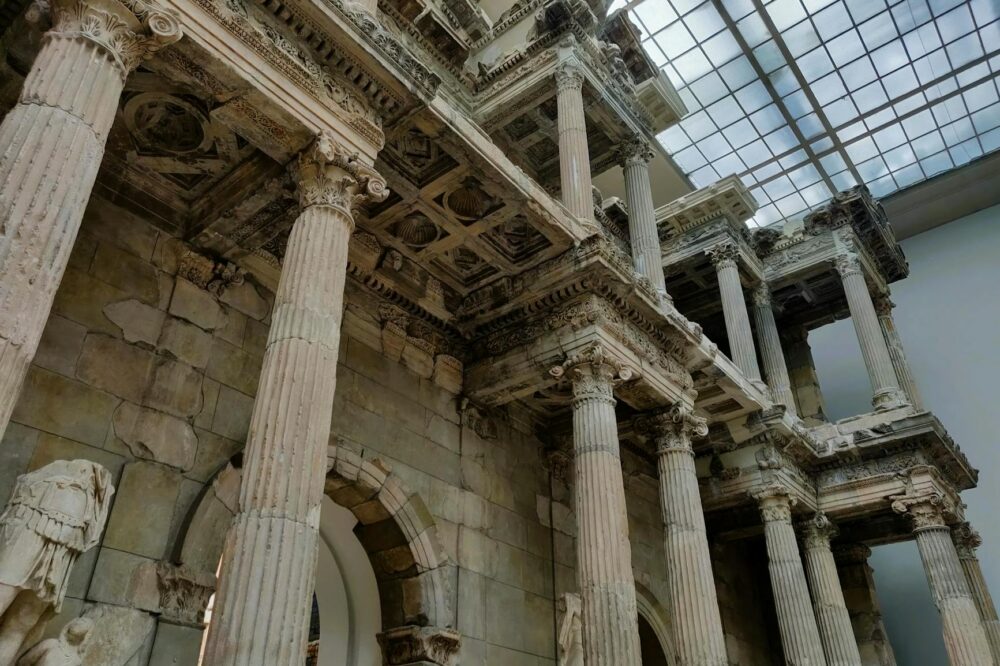
Photo by Manuel Campagnoli on Pexels