Table des matières:
Beyond Tourist Traps: 7 Authentic Ways to Experience Local Culture
Traveling to new destinations offers incredible opportunities to explore diverse cultures, but many visitors find themselves confined to crowded tourist areas that often provide a sanitized version of local life. To truly immerse yourself in a destination, you need to venture beyond these zones and engage with the community in meaningful ways. This article explores the best ways to experience local culture beyond tourist areas, offering practical strategies for travelers seeking authentic connections and deeper understanding. By stepping off the beaten path, you can discover the heart of a place, from its daily rhythms to its cherished traditions.
Why Move Beyond Tourist Areas?
Tourist areas serve a purpose—they provide convenience, safety, and accessibility for visitors. However, they often create a bubble that separates travelers from the genuine cultural fabric of a destination. Restaurants may cater to international palates, shops sell mass-produced souvenirs, and attractions can feel staged. To experience local culture beyond tourist areas, you must intentionally seek out spaces where residents live, work, and socialize. This approach not only enriches your travel experience but also supports local economies and fosters mutual respect between visitors and communities.
The Benefits of Authentic Cultural Immersion
Engaging with local culture beyond tourist areas offers numerous advantages. It allows you to witness traditions in their natural context, understand societal norms, and build connections with people. This type of travel promotes sustainable tourism by distributing economic benefits more evenly and reducing overcrowding in popular spots. Moreover, it often leads to more memorable and personal stories, as you interact with locals who share their perspectives and daily lives. By prioritizing authenticity, you contribute to preserving cultural heritage while gaining a richer, more nuanced view of the world.
1. Explore Local Markets and Neighborhoods
One of the best ways to experience local culture beyond tourist areas is by visiting markets and residential neighborhoods. These spaces offer a window into everyday life, from food and commerce to social interactions. Instead of heading to souvenir shops, seek out farmers’ markets, flea markets, or street vendors where locals buy groceries and household items. Wander through residential districts to observe architecture, community activities, and local businesses like cafes or barbershops. This approach helps you understand the economic and social dynamics of a place while supporting small-scale vendors.
Tips for Navigating Local Markets
To make the most of market visits, go early in the morning when vendors are setting up and locals are shopping. Bring small bills for easier transactions, and don’t be afraid to try unfamiliar foods—ask vendors for recommendations. Observe how people interact and what products are popular, as this can reveal cultural priorities and seasonal traditions. Remember to be respectful by asking permission before taking photos and avoiding disruptive behavior. By engaging with market culture, you gain insights into culinary traditions, craftsmanship, and community values that are often absent in tourist-centric areas.
2. Participate in Community Events and Festivals
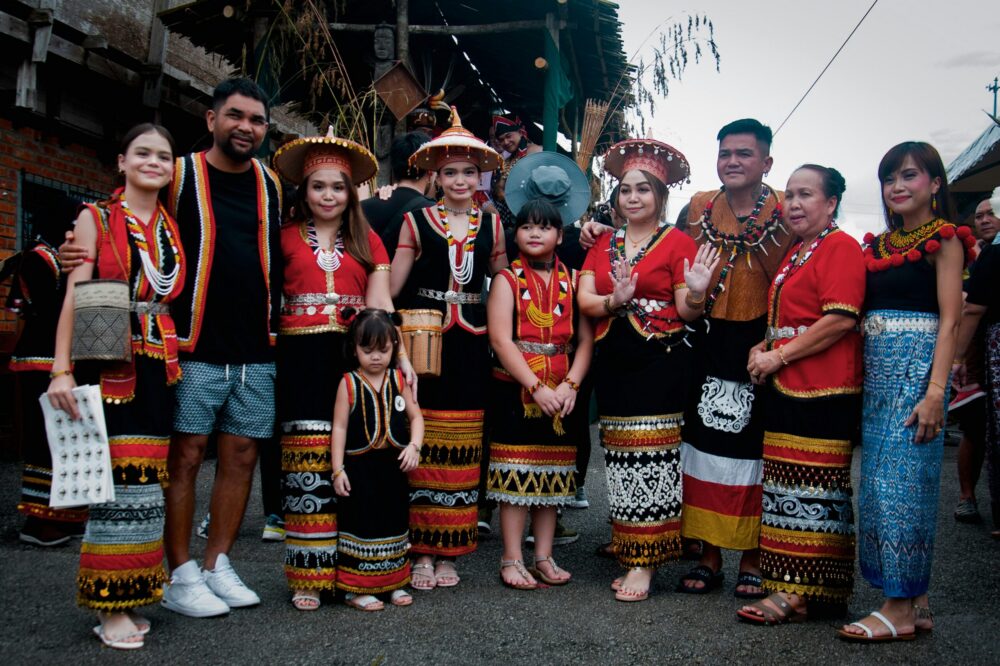
Attending local events and festivals is a powerful method to experience local culture beyond tourist areas. These gatherings celebrate heritage, religion, or seasonal changes and provide opportunities to witness traditions firsthand. Research upcoming events before your trip using local news sources or community boards, and prioritize smaller, neighborhood-based celebrations over large commercialized ones. Examples include religious processions, music festivals, harvest celebrations, or cultural performances held in public squares or community centers.
How to Engage Respectfully at Events
When participating in local events, dress appropriately and follow any guidelines or customs. Arrive early to secure a good viewing spot and observe how locals behave—whether they’re singing, dancing, or observing quietly. If language barriers exist, use simple gestures or learn a few key phrases to show interest. Avoid treating events as photo opportunities; instead, focus on being present and appreciating the experience. By joining these celebrations, you connect with cultural expressions that define a community’s identity and history.
3. Stay in Homestays or Local Accommodations
Choosing accommodations outside tourist hubs can significantly enhance your cultural immersion. Opt for homestays, guesthouses run by locals, or boutique hotels in residential areas rather than chain hotels in commercial districts. These options often provide personalized interactions with hosts who can share insider tips, home-cooked meals, and stories about their lives. You’ll experience daily routines, from morning rituals to evening gatherings, and gain a sense of belonging that hotels rarely offer.
Benefits of Homestays for Cultural Exchange
Homestays facilitate direct cultural exchange, allowing you to learn about family structures, values, and traditions. Hosts might invite you to join meals, introduce you to neighbors, or teach you local crafts or cooking techniques. This environment encourages mutual learning and breaks down stereotypes. To find reputable homestays, use platforms that prioritize community-based tourism or seek recommendations from travel forums focused on authentic experiences. By staying with locals, you contribute to their livelihood while deepening your understanding of their way of life.
4. Learn Basic Language Skills
Language is a gateway to culture, and learning even a few phrases can transform your travel experience. To experience local culture beyond tourist areas, make an effort to communicate in the local language. Start with greetings, thank-yous, and questions about food or directions. Use language apps, phrasebooks, or take a short course before your trip. When interacting with locals, your attempts to speak their language often lead to warmer receptions and more meaningful conversations.
Practical Language Tips for Travelers
Focus on practical vocabulary related to daily activities, such as ordering food, asking for help, or expressing appreciation. Practice with locals in low-pressure settings like markets or cafes, and don’t worry about making mistakes—most people appreciate the effort. Carry a notebook to jot down new words or use translation apps for complex exchanges. By bridging language gaps, you demonstrate respect and curiosity, opening doors to deeper cultural insights and friendships.
5. Volunteer or Take Local Classes
Engaging in volunteer work or enrolling in local classes offers hands-on opportunities to experience local culture beyond tourist areas. Look for community projects, environmental initiatives, or educational programs that welcome short-term visitors. Alternatively, take classes in traditional arts, cooking, dance, or crafts taught by local experts. These activities immerse you in skill-sharing and collaborative efforts, fostering connections with residents who share their knowledge and passions.
Choosing Meaningful Volunteer Opportunities
Select volunteer projects that align with local needs and your skills, avoiding those that may displace local workers or exploit communities. Research organizations with transparent practices and positive reviews from past participants. Similarly, for classes, seek out small workshops or family-run businesses rather than large tourist-oriented schools. These experiences not only enrich your travel but also leave a positive impact by supporting local educators and artisans.
6. Use Public Transportation and Walk
Transportation choices greatly influence your ability to experience local culture beyond tourist areas. Instead of relying on taxis or tour buses, use public transportation like buses, trains, or trams that locals use daily. This exposes you to commuting habits, street scenes, and spontaneous interactions. Walking through neighborhoods allows you to observe details often missed from vehicles, such as street art, local shops, or casual conversations in parks.
Navigating Like a Local
Study public transport maps and schedules in advance, and ask locals for tips on routes or etiquette. Be prepared for crowds and varying comfort levels, viewing these as part of the cultural experience. When walking, explore side streets and alleys, but stay aware of your surroundings for safety. By adopting local mobility patterns, you gain a realistic perspective on urban or rural life and encounter authentic moments that define a place’s character.
7. Dine at Local Eateries and Street Food Stalls
Food is a central aspect of culture, and dining where locals eat is essential to experience local culture beyond tourist areas. Avoid restaurants with multilingual menus aimed at tourists; instead, seek out family-run eateries, food markets, or street vendors frequented by residents. Try regional specialties and seasonal dishes, and don’t hesitate to ask for recommendations from staff or fellow diners. This approach introduces you to culinary traditions, ingredients, and dining customs that reflect local identity.
Embracing Culinary Adventures
To fully enjoy local dining, be open to new flavors and dining styles, whether it’s eating with your hands or sharing meals communally. Visit eateries during peak hours to see how locals socialize over food, and consider taking a food tour led by a community guide. By prioritizing authentic food experiences, you support small businesses and gain insights into historical influences, agricultural practices, and social rituals tied to cuisine.
Conclusion: Embracing Authentic Travel
Experiencing local culture beyond tourist areas requires curiosity, respect, and a willingness to step outside your comfort zone. By exploring markets, participating in events, staying with locals, learning language skills, volunteering, using public transport, and dining authentically, you can uncover the true essence of a destination. These strategies not only enrich your travels but also promote sustainable tourism practices that benefit communities. Remember, the best ways to experience local culture beyond tourist areas involve engaging with people and places on their own terms, leading to unforgettable memories and a deeper appreciation for global diversity. Start planning your next trip with these tips in mind, and transform your journeys into meaningful cultural exchanges.
Photo by Shaggy Sirep on Unsplash