Table des matières:
How to Visit the Pantheon: A Practical Guide to Rome’s Ancient Wonder
When planning a trip to Rome, one of the most iconic and historically rich sites to include on your itinerary is the Pantheon. This ancient structure, with its massive dome and oculus, stands as a testament to Roman engineering and cultural heritage. But how do you visit the Pantheon, and what makes it so significant? This comprehensive guide will walk you through everything you need to know, from practical access details to the deep historical context that makes the Pantheon a must-see destination. Whether you’re a history buff, an architecture enthusiast, or a casual traveler, understanding how to visit the Pantheon and its historical significance will enrich your experience in the Eternal City.
Planning Your Visit to the Pantheon: Essential Information
Before you set out to explore this marvel, it’s crucial to have the right information at hand. The Pantheon is located in the heart of Rome, specifically in the Piazza della Rotonda, making it easily accessible from many parts of the city. To ensure a smooth visit, consider the following key details.
- Opening Hours: The Pantheon is generally open from 9:00 AM to 7:00 PM daily, but hours can vary on holidays or during special events. It’s advisable to check the official website for any updates before your trip.
- Admission Fees: Entry to the Pantheon is free, which makes it an attractive option for budget-conscious travelers. However, guided tours or audio guides may incur additional costs.
- Best Time to Visit: To avoid crowds, aim for early morning or late afternoon visits. Weekdays tend to be less busy than weekends, especially during peak tourist seasons like summer.
- Accessibility: The Pantheon is wheelchair-accessible, with ramps available at the entrance. Inside, the floor is flat, but be mindful of uneven surfaces typical of ancient sites.
Knowing how to visit the Pantheon efficiently can save you time and enhance your appreciation of the site. With its central location, you can easily combine it with other nearby attractions like the Trevi Fountain or the Roman Forum.
Getting to the Pantheon: Transportation and Location Tips
Rome’s public transportation system makes reaching the Pantheon straightforward. The site is within walking distance from many central areas, but if you’re coming from farther away, here are some options.
- By Metro: The closest metro station is Barberini on Line A, about a 10-minute walk away. From there, follow signs toward the historic center.
- By Bus: Numerous bus lines stop near the Pantheon, including routes 40, 60, 64, and 70. Check local transit maps for the most current information.
- On Foot: If you’re staying in central Rome, walking is often the best way to soak in the city’s atmosphere. The Pantheon is a short stroll from landmarks like the Spanish Steps or Piazza Navona.
- By Taxi or Ride-Sharing: Taxis are readily available, but be aware that traffic in central Rome can be heavy, especially during peak hours.
Once you arrive, take a moment to admire the exterior before entering. The portico with its Corinthian columns is a striking introduction to the grandeur within. Understanding how to visit the Pantheon logistically ensures you can focus on the experience rather than the logistics.
The Historical Significance of the Pantheon: From Ancient Temple to Modern Icon
Beyond its accessibility, the Pantheon’s true allure lies in its historical significance. Originally built as a temple to all the gods of ancient Rome, it has survived nearly two millennia, offering insights into Roman religion, architecture, and society. To fully appreciate how to visit the Pantheon, one must delve into its past.
Architectural Marvel: The Dome and Oculus
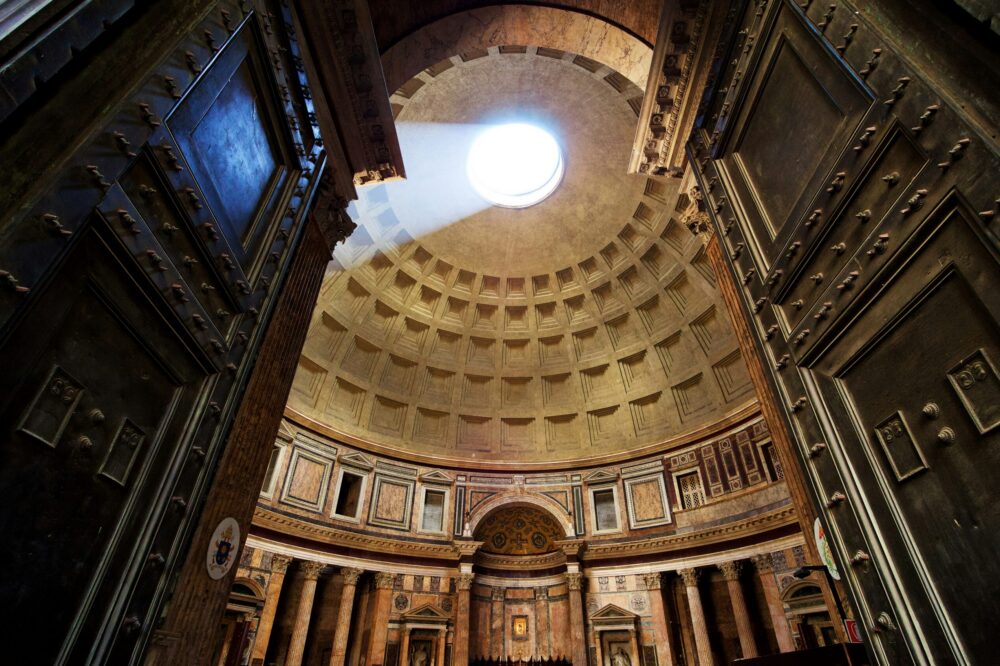
The Pantheon’s most famous feature is its dome, which was the largest in the world for over a thousand years. Constructed around 126 AD during the reign of Emperor Hadrian, it showcases advanced Roman engineering techniques. The dome is made of concrete mixed with lightweight materials like pumice, reducing its weight while maintaining strength. At its apex, the oculus—a circular opening—allows natural light to flood the interior, creating a dramatic effect that changes with the time of day and weather.
This architectural innovation not only served practical purposes but also symbolized the connection between the earthly and divine realms. When you visit the Pantheon, look up to appreciate this feat of design, which continues to inspire architects today. The historical significance of the Pantheon is deeply tied to these structural elements, reflecting Roman ingenuity and artistic vision.
Religious and Cultural Evolution
Over the centuries, the Pantheon has undergone significant transformations that highlight its historical significance. Initially dedicated to Roman deities, it was converted into a Christian church in the 7th century, which helped preserve it from destruction. This adaptation allowed the building to remain in use while its religious purpose evolved. Today, it serves as both a church and a major tourist attraction, hosting occasional masses and cultural events.
The Pantheon also houses the tombs of notable figures, including the artist Raphael and several Italian kings. This blend of ancient and modern functions underscores its enduring relevance. As you explore how to visit the Pantheon, consider how its history mirrors broader shifts in European culture and religion.
What to See Inside the Pantheon: Key Features and Highlights
When you step inside, the Pantheon’s interior offers a wealth of details to observe. From artistic elements to historical artifacts, here are some highlights to look for during your visit.
- The Oculus: As mentioned, this opening is a focal point. Watch how light and rain enter, creating unique visual effects.
- The Altar and Chapels: Various altars and chapels line the walls, showcasing Christian art and relics that date back to the building’s conversion.
- Tombs and Memorials: Pay respects at the tombs of Raphael and others, which add a personal touch to the historical narrative.
- Floor Patterns: The original Roman floor features intricate geometric designs, offering a glimpse into ancient craftsmanship.
Taking time to observe these elements will deepen your understanding of the Pantheon’s historical significance. Remember, how you visit the Pantheon—whether quickly or leisurely—can impact what you take away from the experience.
Tips for an Enriching Visit
To make the most of your trip, consider these additional suggestions. First, dress appropriately, as the Pantheon is an active church; modest attire is recommended. Second, bring a camera, but be respectful of any restrictions on flash photography. Third, if possible, join a guided tour or use an audio guide to gain expert insights into the site’s history and architecture.
By following these tips, you’ll not only learn how to visit the Pantheon effectively but also engage more deeply with its stories. The historical significance of the Pantheon comes alive when you connect its past with your present exploration.
Conclusion: Embracing the Pantheon’s Legacy
In summary, knowing how to visit the Pantheon involves practical planning and an appreciation for its profound historical significance. From its accessible location in Rome to its awe-inspiring dome and rich cultural evolution, the Pantheon offers a unique window into ancient and modern worlds. As you walk through its doors, you’re stepping into a space that has witnessed centuries of history, from Roman emperors to Renaissance artists.
We encourage you to use this guide to plan your visit thoughtfully. Whether you’re marveling at the oculus or reflecting on the tombs within, the Pantheon promises an unforgettable experience. By understanding both how to visit the Pantheon and its historical significance, you can fully immerse yourself in one of Rome’s greatest treasures. Share your experiences or questions in the comments below, and start planning your journey to this iconic landmark today.