Table des matières:
Introduction: The Allure of Rome’s Iconic Trevi Fountain
Standing majestically in the heart of Rome, the Trevi Fountain is more than just a stunning Baroque masterpiece; it is a symbol of history, art, and timeless tradition. Every year, millions of visitors flock to this iconic site, captivated by its grandeur and the enchanting ritual of tossing coins into its waters. But what is the history behind the Trevi Fountain, and why do people throw coins? This article delves into the fascinating origins, architectural brilliance, and enduring legends that make the Trevi Fountain a must-see landmark in the Eternal City.
The Ancient Origins and Historical Background
The story of the Trevi Fountain begins long before its construction in the 18th century. Its roots trace back to ancient Rome, where the site served as the endpoint of the Aqua Virgo aqueduct, built in 19 BC by Agrippa to supply water to the Roman baths. The name “Trevi” is believed to derive from “tre vie” (three roads), referring to the intersection where the fountain stands. Over centuries, this water source remained vital, and by the Renaissance, popes envisioned a grand fountain to commemorate it. However, it wasn’t until 1732 that Pope Clement XII commissioned architect Nicola Salvi to design the fountain we see today, blending history with artistic innovation.
Architectural Marvel: Design and Construction
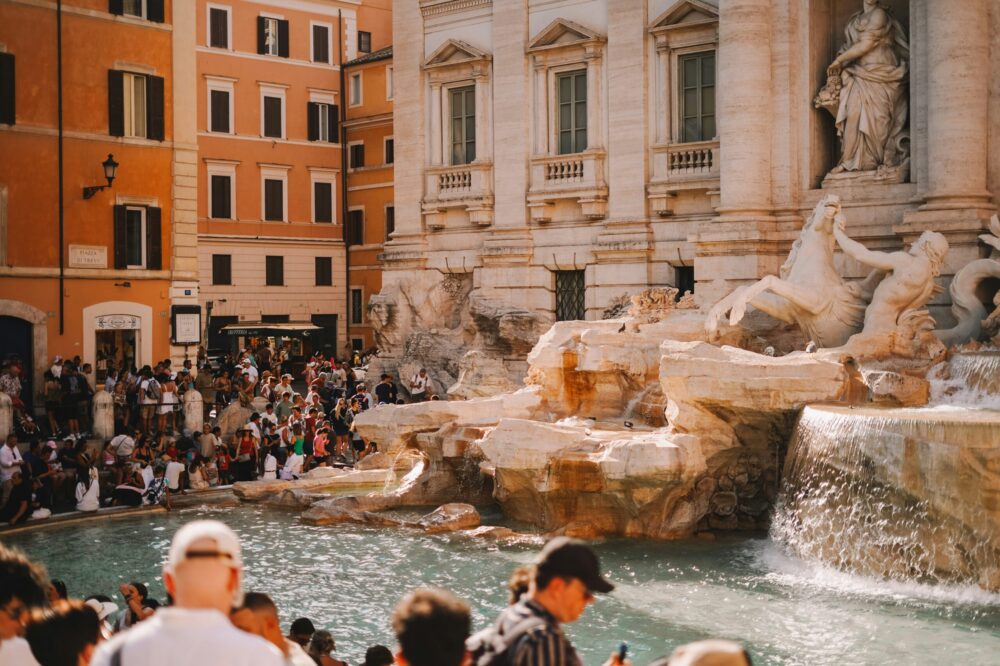
Nicola Salvi’s design for the Trevi Fountain is a masterpiece of Baroque art, featuring intricate sculptures and mythological themes. The fountain depicts Oceanus, the god of water, riding a shell-shaped chariot pulled by seahorses and tritons, symbolizing the moods of the sea. Flanking him are statues of Abundance and Health, emphasizing the fountain’s role in providing life-sustaining water. Construction faced numerous challenges, including funding issues and Salvi’s death in 1751, but it was completed by Giuseppe Pannini in 1762. The use of travertine stone from nearby Tivoli adds to its durability and aesthetic appeal, making it a testament to Roman engineering and artistry.
- Key architectural elements: Oceanus statue, seahorses, tritons, and allegorical figures.
- Materials: Primarily travertine and marble, sourced locally.
- Dimensions: Approximately 26.3 meters high and 49.15 meters wide, making it Rome’s largest Baroque fountain.
Why Do People Throw Coins into the Trevi Fountain?
The tradition of throwing coins into the Trevi Fountain is steeped in legend and has become a global phenomenon. It originated from an ancient Roman custom of offering coins to water deities for safe travels or as votive offerings. In modern times, the practice gained popularity through the 1954 film “Three Coins in the Fountain,” which romanticized the ritual. According to folklore, tossing one coin ensures a return to Rome, two coins lead to a new romance, and three coins result in marriage. This ritual not only connects visitors to history but also supports charitable causes, as the coins are collected daily and donated to organizations like Caritas, funding food programs for the needy.
The Cultural Impact and Global Recognition
The Trevi Fountain’s coin-throwing tradition has transcended its origins, becoming a symbol of hope and luck worldwide. It attracts an estimated €1.5 million in coins annually, highlighting its cultural significance. Beyond the coins, the fountain has appeared in numerous films, literature, and art, cementing its status as a cultural icon. Events like its restoration in 2015, funded by the Fendi fashion house, demonstrate ongoing efforts to preserve this heritage site. Understanding why people throw coins into the Trevi Fountain reveals how ancient rituals evolve into shared human experiences, blending history with contemporary values.
- Coin collection: Managed by Rome’s municipality, with proceeds aiding charity.
- Pop culture references: Featured in movies like “La Dolce Vita” and “Roman Holiday.”
- Tourist engagement: Over 10 million visitors annually participate in the coin-tossing ritual.
Legends and Myths Surrounding the Fountain
Beyond its architectural splendor, the Trevi Fountain is shrouded in captivating legends that add to its mystique. One popular myth involves Nicola Salvi including a sculpted vase, known as the “Ace of Cups,” to block the view of a critical barber whose shop overlooked the construction site. Another tale speaks of a young girl who revealed the spring’s location to Roman soldiers, leading to the aqueduct’s creation. These stories, whether factual or fictional, enrich the fountain’s narrative, inviting visitors to ponder the blend of history and folklore. Exploring what is the history behind the Trevi Fountain and why do people throw coins uncovers these layers of myth, making the site a living testament to Roman storytelling.
Preservation and Modern Significance
In recent decades, the Trevi Fountain has undergone significant preservation efforts to combat pollution and wear from tourism. The 2015 restoration, costing over €2 million, involved cleaning the stone and repairing sculptures, ensuring its longevity for future generations. Today, it serves not only as a tourist attraction but also as a venue for events and a symbol of Rome’s commitment to cultural heritage. Its role in urban life, from providing a scenic backdrop to fostering community gatherings, underscores its enduring relevance. As we reflect on what is the history behind the Trevi Fountain and why do people throw coins, it’s clear that this landmark continues to inspire awe and connection across the globe.
- Restoration projects: Major efforts in 1990s and 2015 to maintain structural integrity.
- Environmental measures: Use of recycled water and monitoring systems to protect the fountain.
- Community role: Hosts cultural events and promotes local tourism.
Conclusion: The Timeless Legacy of the Trevi Fountain
The Trevi Fountain stands as a magnificent blend of history, art, and tradition, captivating visitors with its Baroque beauty and enchanting rituals. From its ancient origins as part of the Aqua Virgo aqueduct to its modern status as a global icon, the fountain’s story is a testament to Rome’s enduring legacy. Understanding what is the history behind the Trevi Fountain and why do people throw coins reveals deeper themes of hope, charity, and cultural continuity. Whether you’re planning a visit or simply exploring from afar, the Trevi Fountain invites everyone to partake in its timeless magic, tossing a coin and becoming part of its ever-evolving narrative.
Photo by Lala Azizli on Unsplash