Table des matières:
Introduction to Public Transportation in Rome
Navigating Rome’s public transportation system can seem daunting for first-time visitors, but with the right knowledge, it becomes an efficient and affordable way to explore the Eternal City. This guide will walk you through how to use public transportation in Rome, focusing on buses and the metro, to help you travel like a local and make the most of your visit.
Understanding Rome’s Public Transportation Network
Rome’s public transportation is managed by ATAC (Azienda per la Mobilità), which operates buses, trams, metro lines, and some suburban railways. The system is extensive, covering most tourist attractions and residential areas. Learning how to use public transportation in Rome starts with familiarizing yourself with the key components: buses and the metro.
The Metro System in Rome
The Rome Metro consists of three lines: Line A (orange), Line B (blue), and Line C (green). Lines A and B are the most useful for tourists, connecting major sites like the Colosseum, Vatican City, and Termini Station. Line C is newer and serves eastern suburbs. Stations are marked with a red “M” sign. Trains run from about 5:30 AM to 11:30 PM daily, with reduced frequency on Sundays and holidays.
The Bus Network in Rome
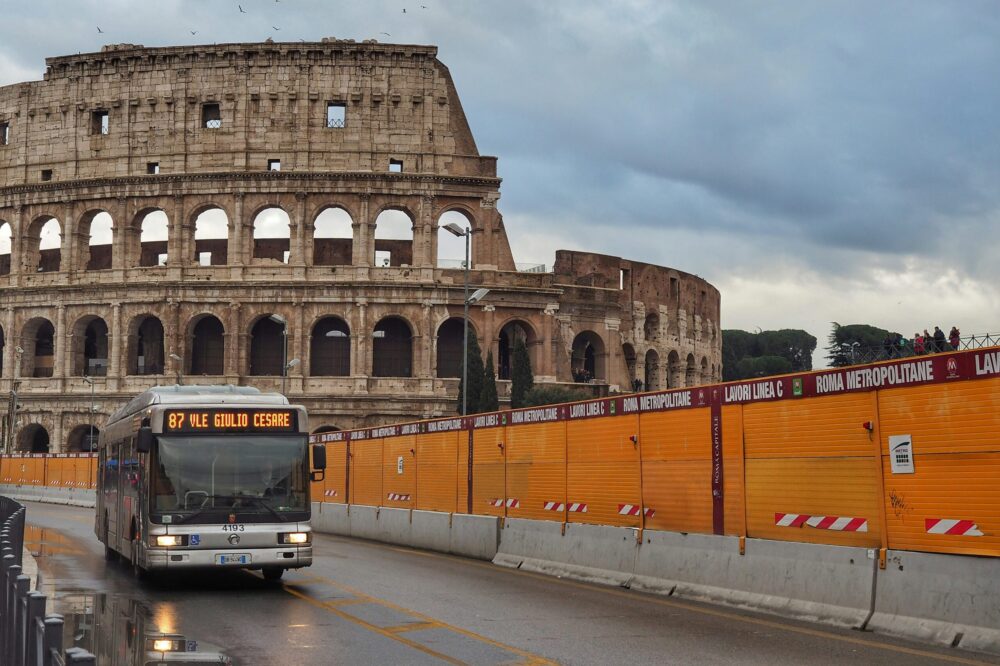
Buses are the backbone of Rome’s public transportation, with over 350 lines crisscrossing the city. They reach areas not served by the metro, such as Trastevere and the Appian Way. Buses typically operate from 5:30 AM to midnight, with night buses (marked with an “N”) running on limited routes after hours. Stops are clearly signed with route numbers and schedules.
How to Purchase Tickets for Public Transportation in Rome
To use public transportation in Rome, you need a valid ticket. Tickets are integrated across buses, metro, trams, and some trains within the city. Here are the main options:
- BIT Ticket: Valid for 100 minutes from validation, allowing unlimited transfers. Cost: €1.50.
- 24-Hour Ticket: Unlimited travel for 24 hours from validation. Cost: €7.00.
- 48-Hour Ticket: Unlimited travel for 48 hours. Cost: €12.50.
- 72-Hour Ticket: Unlimited travel for 72 hours. Cost: €18.00.
- CIS Ticket: Weekly pass for unlimited travel. Cost: €24.00.
Tickets can be purchased at metro station ticket machines, tobacco shops (tabaccherie), newsstands, or via the ATAC app. Remember to validate your ticket before boarding buses or entering metro stations using the machines on board or at station entrances.
Using the Metro in Rome: Step-by-Step Guide
Learning how to use public transportation in Rome efficiently includes mastering the metro. Follow these steps:
- Plan your route using a map or app like Google Maps or Moovit.
- Purchase a ticket from a machine or vendor.
- Validate your ticket at the turnstile by tapping it on the reader.
- Follow signs to your line and direction (e.g., Line A towards Battistini).
- Board the train and check station announcements or maps for your stop.
- Exit through the turnstiles at your destination.
Key metro stations for tourists include Termini (central hub), Colosseo (for the Colosseum), Spagna (for Spanish Steps), and Ottaviano (for Vatican City). During peak hours, trains can be crowded, so allow extra time.
Using Buses in Rome: Tips and Tricks
Buses offer flexibility but require more attention. Here’s how to use public transportation in Rome via buses:
- Check the bus stop for route numbers and schedules. Electronic displays show arrival times.
- Have your ticket ready and validate it immediately upon boarding using the machine inside the bus.
- Signal the driver to stop by pressing the button near doors before your stop.
- Popular tourist buses include #40 and #64 (express routes from Termini to Vatican), #116 (historic center), and #23 (to Trastevere).
Buses can be affected by traffic, so plan for delays. Avoid rush hours (7-9 AM and 5-7 PM) for a smoother ride.
Navigating Rome with Public Transportation: Key Routes and Destinations
To explore Rome effectively, combine buses and metro. Here are essential routes:
- Colosseum and Roman Forum: Take metro Line B to Colosseo station.
- Vatican City: Use metro Line A to Ottaviano or Cipro stations, or bus #40 or #64 from Termini.
- Trevi Fountain and Spanish Steps: Metro Line A to Spagna or Barberini stations.
- Trastevere: Bus #23 or #280 from Termini or tram #8 from Largo Argentina.
- Termini Station: Central hub for metro Lines A and B, and many buses.
Using public transportation in Rome saves time and money compared to taxis, especially for accessing spread-out sites like the Appian Way (bus #118) or EUR district (metro Line B).
Practical Tips for Using Public Transportation in Rome
Enhance your experience with these insights:
- Download the ATAC app or use Google Maps for real-time updates and route planning.
- Keep tickets until the end of your journey; inspectors conduct random checks with fines for invalid tickets.
- Be mindful of pickpockets in crowded vehicles—keep valuables secure.
- Consider a Roma Pass for discounted transportation and museum entry if staying multiple days.
- Night buses (N lines) operate after midnight, but taxis might be more convenient late at night.
Remember, how you use public transportation in Rome can impact your trip—staying informed ensures a stress-free visit.
Common Challenges and How to Overcome Them
While Rome’s public transportation is reliable, challenges include strikes, which are announced in advance on ATAC’s website, and maintenance work that may alter routes. Check for updates before traveling. Language barriers are minimal as signs are in Italian and English, but learning basic Italian phrases can help. If lost, ask staff at metro stations or use translation apps.
Conclusion: Mastering Public Transportation in Rome
Learning how to use public transportation in Rome is key to enjoying the city’s rich history and culture without the hassle of driving or high costs. By understanding the metro and bus systems, purchasing the right tickets, and following practical tips, you can navigate Rome like a pro. Whether you’re visiting the Colosseum or exploring hidden gems, public transportation offers an authentic and efficient way to experience the Eternal City. Start planning your routes today and embrace the adventure of Rome’s transit network.
Photo by Sung Jin Cho on Unsplash