Table des matières:
What Is the Dress Code for Visiting Churches and Religious Sites in Rome? A Complete Guide
Rome, the Eternal City, is a treasure trove of history, art, and spirituality, with iconic churches and religious sites like St. Peter’s Basilica, the Sistine Chapel, and the Pantheon drawing millions of visitors each year. Understanding the dress code for visiting churches and religious sites in Rome is crucial not only to show respect for sacred spaces but also to ensure a smooth and enriching experience. This guide provides a detailed overview of what to wear, what to avoid, and practical tips for navigating these cultural landmarks with confidence and reverence.
Why Dress Codes Matter in Roman Churches and Religious Sites
When planning a visit to Rome’s churches and religious sites, it’s important to recognize that these are active places of worship with deep spiritual significance. The dress code for visiting churches and religious sites in Rome reflects a tradition of modesty and respect, rooted in Catholic customs. Adhering to these guidelines helps maintain the sanctity of the environment and shows consideration for local worshippers. Failure to comply can result in denied entry, especially at major sites like the Vatican, so proper attire is essential for a hassle-free visit.
Historical and Cultural Context
The emphasis on modest dress in Roman religious sites dates back centuries, influenced by Catholic teachings that prioritize humility and reverence in sacred spaces. In a city where ancient traditions blend with modern tourism, respecting these norms is a way to honor Rome’s cultural heritage. Whether you’re exploring the grandeur of St. Peter’s or a quiet neighborhood chapel, dressing appropriately enhances your connection to the history and spirituality of these places.
Essential Dress Code Guidelines for Churches and Religious Sites in Rome
To answer the question, “What is the dress code for visiting churches and religious sites in Rome?” here are the key rules to follow. These apply to most churches, basilicas, and religious monuments across the city, though enforcement may vary from strict at major tourist sites to more relaxed at smaller churches.
For Men: What to Wear
Men should aim for neat, conservative attire when visiting churches and religious sites in Rome. Key items include:
- Shirts with Sleeves: T-shirts or collared shirts are acceptable, but avoid sleeveless tops like tank tops.
- Long Pants or Knee-Length Shorts: Trousers, jeans, or shorts that cover the knees are ideal. Avoid very short shorts or athletic wear.
- Closed-Toe Shoes: Sandals are often allowed, but opt for modest footwear. Avoid flip-flops in more formal settings.
Remember, the goal is to look respectful without being overly formal. A simple polo shirt and trousers work well for most visits.
For Women: What to Wear
Women face more specific requirements due to modesty standards. Follow these tips for the dress code for visiting churches and religious sites in Rome:
- Covered Shoulders: Wear tops with sleeves or bring a shawl or scarf to drape over your shoulders if wearing a sleeveless blouse.
- Knee-Length Skirts or Dresses: Ensure skirts or dresses fall at or below the knee. Maxi dresses are a popular and stylish choice.
- Avoid Low-Cut Necklines: Opt for higher necklines to maintain modesty.
- Covered Knees with Pants: If wearing pants, ensure they are full-length or at least knee-covering. Avoid leggings as outerwear unless paired with a long top.
Carrying a lightweight scarf or pashmina is a smart hack for adjusting your outfit on the go, especially in summer when temperatures rise.
What to Avoid: Prohibited Attire
Certain items are generally not permitted when adhering to the dress code for visiting churches and religious sites in Rome. Steer clear of:
- Sleeveless tops or tank tops for both men and women.
- Shorts or skirts above the knee.
- Revealing clothing like crop tops or low-cut dresses.
- Beachwear, including swimsuits or cover-ups.
- Excessively casual wear like gym clothes or pajamas.
At sites like the Vatican Museums and St. Peter’s Basilica, guards strictly enforce these rules, so it’s best to err on the side of caution.
Special Considerations for Major Religious Sites in Rome
While the basic dress code for visiting churches and religious sites in Rome applies broadly, some locations have additional requirements or heightened enforcement. Here’s what to know for key destinations.
Vatican City: St. Peter’s Basilica and the Sistine Chapel
The Vatican is one of Rome’s most visited religious sites, and its dress code is rigorously upheld. For St. Peter’s Basilica and the Sistine Chapel, ensure shoulders and knees are covered for both men and women. Hats should be removed upon entry as a sign of respect. Security checks are common, and visitors in inappropriate attire may be asked to leave or purchase cover-ups from nearby vendors. Plan your outfit in advance to avoid delays.
The Pantheon and Other Historic Churches
The Pantheon, now a church, follows similar guidelines, though enforcement can be less strict than at the Vatican. However, dressing modestly is still recommended to honor its religious function. For other churches like Santa Maria Maggiore or San Giovanni in Laterano, the same rules apply, but smaller parishes may be more lenient. Always carry a scarf or light jacket to adapt if needed.
Seasonal Adjustments for Dress Codes
Rome’s climate varies, so consider seasonal factors when planning your attire for the dress code for visiting churches and religious sites in Rome. In summer, lightweight, breathable fabrics like linen or cotton are ideal for covering up without overheating. In winter, layers such as sweaters and coats naturally meet modesty requirements. Regardless of season, comfortable shoes are a must for exploring these often-cobblestoned sites.
Practical Tips for Respectful Visits
Beyond clothing, showing respect in Rome’s churches and religious sites involves behavior and preparation. Here are some actionable tips to enhance your experience.
Carry a Cover-Up Kit
Pack a small bag with essentials like a shawl, sarong, or light cardigan. These items can quickly transform an outfit to meet dress code standards if you’re caught off guard. Many vendors near major sites sell inexpensive cover-ups, but bringing your own saves time and money.
Plan Your Visit Timing
Arrive early in the day to avoid crowds and heat, especially in summer. Mornings tend to be cooler and less busy, making it easier to adhere to dress codes without discomfort. Check opening hours, as some churches close for midday breaks or private services.
Observe Silence and Etiquette
Once inside, maintain a quiet demeanor, turn off mobile phones, and avoid flash photography unless permitted. These gestures complement your respectful attire and show appreciation for the sacred atmosphere. If attending a mass or service, follow local customs, such as standing or kneeling when others do.
Common Questions About Dress Codes in Rome
Visitors often have specific queries about the dress code for visiting churches and religious sites in Rome. Here are answers to frequently asked questions.
Are Children Subject to the Same Rules?
Yes, children should generally follow the same dress code, though enforcement may be more relaxed for very young kids. Dressing them modestly sets a good example and avoids potential issues at strict sites like the Vatican.
Can I Wear Jeans or Sneakers?
Yes, jeans and sneakers are acceptable as long as they are clean and not overly distressed. The focus is on modesty, not formality, so casual wear is fine if it covers appropriately.
What If I Forget to Dress Appropriately?
If you arrive underdressed, don’t panic. Many churches provide disposable cover-ups at the entrance, or you can purchase a scarf from nearby shops. In a pinch, use a jacket or large bag to cover exposed areas temporarily.
Conclusion: Embracing Respect and Culture in Rome
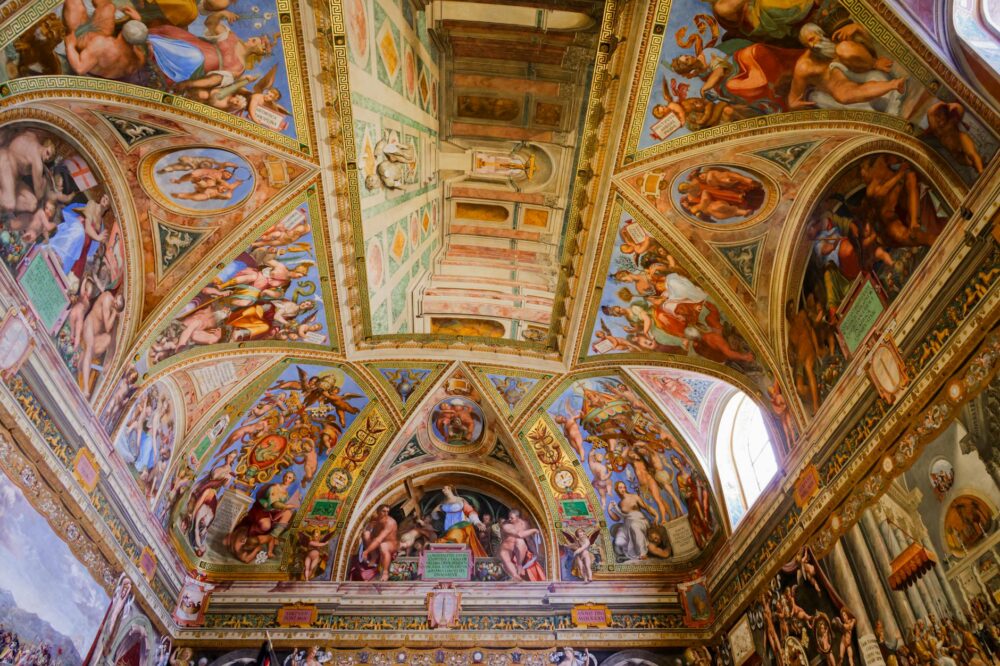
Understanding the dress code for visiting churches and religious sites in Rome is a key part of responsible tourism in this historic city. By dressing modestly and behaving respectfully, you not only gain access to these magnificent spaces but also contribute to preserving their spiritual integrity. Whether you’re marveling at Michelangelo’s frescoes or soaking in the serenity of a quiet chapel, appropriate attire enhances your journey, allowing you to connect deeply with Rome’s rich religious heritage. Plan ahead, pack wisely, and enjoy a respectful and memorable visit to the churches and religious sites of Rome.
Photo by Viktor SOLOMONIK on Unsplash