Rome, the Eternal City, is a treasure trove of history, art, and spirituality, with countless churches and religious sites that draw millions of visitors each year. From the grandeur of St. Peter’s Basilica to the intimate charm of neighborhood chapels, these sacred spaces offer a glimpse into centuries of faith and culture. However, to fully appreciate these sites and show respect for their religious significance, it’s crucial to understand the dress code for visiting churches and religious sites in Rome. This guide provides clear, practical advice to help you dress appropriately, avoid common pitfalls, and ensure a respectful and enriching experience.
Table des matières:
Why Dress Codes Matter in Roman Churches and Religious Sites
When planning a visit to Rome’s churches and religious sites, many travelers wonder about the importance of dress codes. These guidelines are not merely arbitrary rules but stem from deep-rooted traditions and respect for sacred spaces. In Italy, churches are active places of worship, and visitors are expected to honor their religious purpose. Adhering to the dress code shows consideration for local customs and the faithful who pray there daily. Failure to comply can result in denied entry, especially at major sites like the Vatican, where enforcement is strict. By dressing appropriately, you demonstrate cultural sensitivity and enhance your own visit by blending in respectfully.
General Dress Code Guidelines for Churches in Rome
The dress code for visiting churches and religious sites in Rome typically emphasizes modesty and covers specific body parts. While requirements can vary slightly between sites, most follow similar principles. Understanding these basics will help you prepare for any church visit in the city.
Key Requirements for Men and Women
For both men and women, the focus is on covering shoulders, knees, and midriffs. This means avoiding sleeveless tops, short skirts, shorts, and low-cut clothing. In practice, this dress code applies year-round, regardless of weather, so planning ahead is essential. Many sites provide shawls or cover-ups for a small fee or as a courtesy, but it’s best to come prepared to avoid delays or extra costs.
- Shoulders must be covered: Wear shirts with sleeves or carry a scarf.
- Knees must be covered: Opt for long pants, skirts, or dresses below the knee.
- Avoid revealing clothing: Steer clear of tight or transparent outfits.
- Head coverings are not usually required for women, but respectful attire is key.
Specific Dress Code Rules for Major Religious Sites in Rome
While the general guidelines apply broadly, some of Rome’s most famous religious sites have specific or stricter dress codes. Knowing these details can prevent disappointment during your visit.
St. Peter’s Basilica and the Vatican Museums
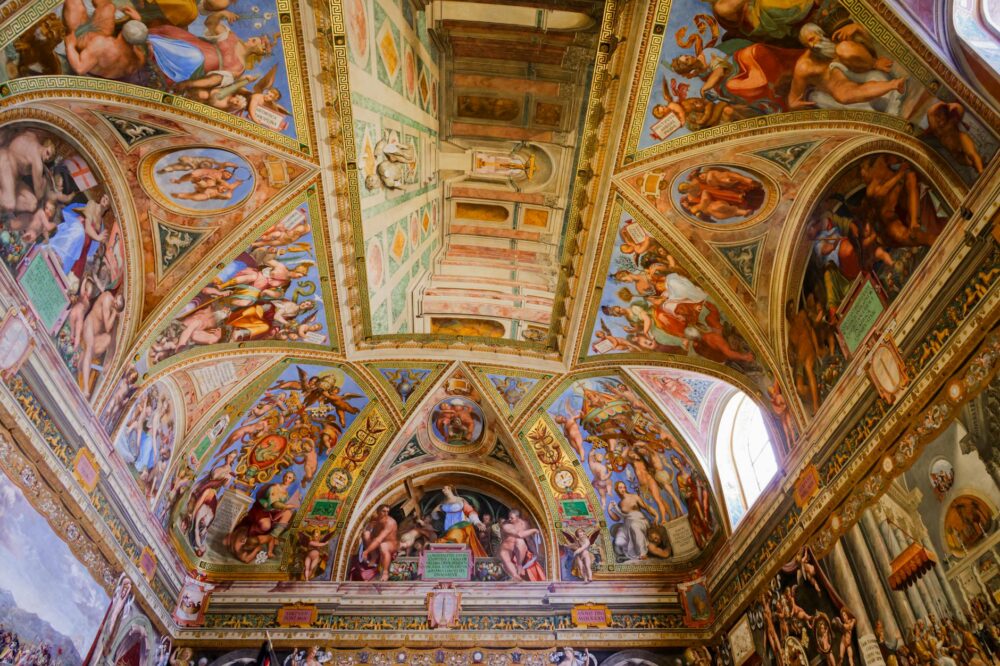
As the heart of Catholicism, the Vatican enforces a rigorous dress code. Visitors to St. Peter’s Basilica, the Sistine Chapel, and the Vatican Museums must adhere to modesty standards. Shoulders and knees must be fully covered, and hats should be removed upon entry. Security checks are thorough, and those inappropriately dressed may be turned away or asked to use provided cover-ups. It’s advisable to dress conservatively from the start of your visit, as these rules apply throughout the Vatican complex.
The Pantheon and Other Historic Churches
The Pantheon, now a church, also requires modest dress, though enforcement can be less strict than at the Vatican. Other notable sites like the Basilica di Santa Maria Maggiore or San Giovanni in Laterano follow similar guidelines. Always err on the side of caution by dressing modestly, as attitudes may vary by day or staff. Remember, these are active religious sites, not just tourist attractions, so respect is paramount.
Practical Tips for Dressing Appropriately in Rome’s Churches
Adhering to the dress code for visiting churches and religious sites in Rome doesn’t have to be cumbersome. With a few smart choices, you can stay comfortable and respectful throughout your trip.
- Layer your clothing: Bring a light shawl, cardigan, or scarf to cover up when needed.
- Choose breathable fabrics: In summer, opt for linen or cotton to stay cool while covered.
- Pack versatile items: Long skirts or pants that can be paired with different tops are ideal.
- Check weather forecasts: Plan outfits that accommodate both heat and modesty requirements.
Seasonal Considerations for Church Visits
Rome’s climate varies, so adjust your dress code compliance accordingly. In summer, when temperatures soar, lightweight, long-sleeved tops and maxi skirts can keep you cool and covered. In winter, layers like sweaters and coats naturally meet modesty standards. Always carry a cover-up in your bag, as you might decide to visit a church spontaneously during your explorations.
Common Mistakes to Avoid When Visiting Religious Sites
Even well-intentioned travelers can make errors regarding the dress code for visiting churches and religious sites in Rome. Being aware of these pitfalls can save you from awkward situations.
- Assuming casual wear is acceptable: Even in tourist areas, churches require modesty.
- Forgetting about footwear: While not always enforced, avoid overly casual shoes like flip-flops.
- Ignoring signage: Many sites post dress code reminders; take them seriously.
- Relying solely on cover-up rentals: These may be unavailable or incur fees.
Cultural and Religious Significance Behind the Dress Code
Understanding why these dress codes exist can deepen your appreciation for Rome’s religious sites. In Italian culture, churches are seen as houses of God, and dressing modestly is a sign of reverence. This tradition dates back centuries and reflects values of humility and respect. By following these guidelines, you participate in a cultural practice that honors both faith and history, making your visit more meaningful.
Conclusion: Respect and Enjoy Your Visit to Rome’s Sacred Spaces
In summary, knowing the dress code for visiting churches and religious sites in Rome is essential for any traveler. By dressing modestly—covering shoulders, knees, and midriffs—you show respect for local customs and ensure smooth access to these incredible sites. Whether you’re marveling at the art in the Sistine Chapel or finding peace in a quiet chapel, appropriate attire enhances your experience and reflects cultural sensitivity. Plan ahead, pack wisely, and embrace the opportunity to explore Rome’s spiritual heritage with respect and curiosity.
Photo by Viktor SOLOMONIK on Unsplash